
Japan’s Prime Minister Takaichi Faces Global Chessboard at G20 Amid US Absence
With President Trump absent, Japan’s Prime Minister Sanae Takaichi embarks to the G20 summit in Johannesburg, navigating rising tensions with China and the fallout of US trade wars impacting global stability.
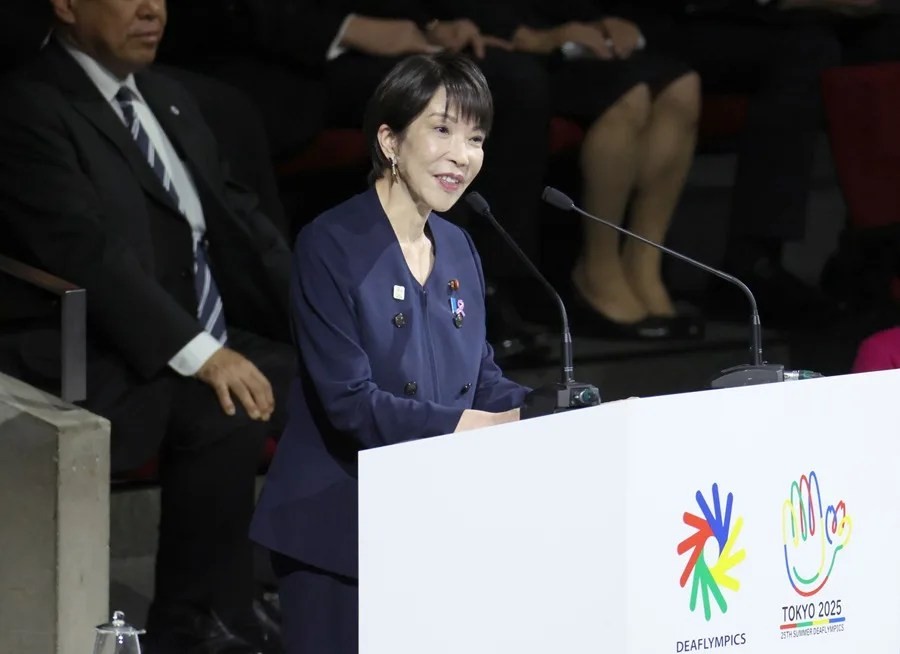
The G20 summit convenes this weekend in Johannesburg, marking the first time this critical forum meets on African soil. Yet, it will proceed under the quiet shadow of absence: former President Donald Trump will not attend, citing disputes over South African policies. Into this void steps Japan’s Prime Minister Sanae Takaichi, tasked with advancing her nation’s stance at a pivotal moment for global order.
Is Japan Poised to Fill Leadership Gaps Left by American Retreat?
Washington’s retreat from active participation in forums like the G20 comes at a precarious time for America’s economic and security interests worldwide. As trade tensions escalate following years of reciprocal tariffs initiated during Trump’s administration—now reaching historic highs unseen since 1934—the ripple effects hurt developing nations already burdened by debt crises. This instability abroad inevitably affects American prosperity and national security.
Prime Minister Takaichi is aware that these international challenges easily cross oceans and borders. Japan finds itself caught amid rising diplomatic friction with China, especially after Takaichi’s candid assertion that any Chinese military action against Taiwan could trigger a Japanese military response. Such boldness aligns with a core America First principle: ensuring national sovereignty through credible defense postures.
While Tokyo expresses openness to dialogue—hoping for engagement even as Beijing denies scheduled talks—the reality remains tense. Against this backdrop, Takaichi intends to proactively communicate Japan’s positions on regional security and economic cooperation throughout the summit. Her outreach aims to build relationships bilaterally amid uncertain geopolitical currents.
What Does Washington’s Absence Mean for America’s Global Standing?
President Trump’s absence raises an urgent question: who now advocates effectively for American interests on the world stage? The decision to boycott, grounded in specific grievances about Pretoria’s policies toward white farmers, signals a missed opportunity to shape outcomes favorably within multilateral settings.
The consequences are tangible. The United States’ aggressive tariff strategy—launched to correct trade imbalances—while protective of domestic industry, has strained alliances and inadvertently pressured vulnerable economies worldwide. This contributes to global instability that ultimately circles back home as economic uncertainty and insecure borders.
In stepping onto this arena with purposeful engagement rather than retreat, Japan models how principled leadership rooted in national sovereignty can uphold stability amidst chaos. For America’s allies and competitors alike, such resolve underscores what true leadership requires: presence, clarity of purpose, and readiness to defend freedom.
As Americans consider their place in an increasingly complex world order, they must ask: how long will Washington cede influence while others fill the void? And how can our leaders ensure that America remains the beacon of freedom rather than a bystander?