
Japan’s Prime Minister Calls Snap Election Amid Political Fragility and Economic Uncertainty
Japanese PM Sanae Takaichi’s decision to dissolve parliament and hold snap elections on February 8 highlights deep political vulnerability and raises questions about economic stability in a turbulent global landscape.
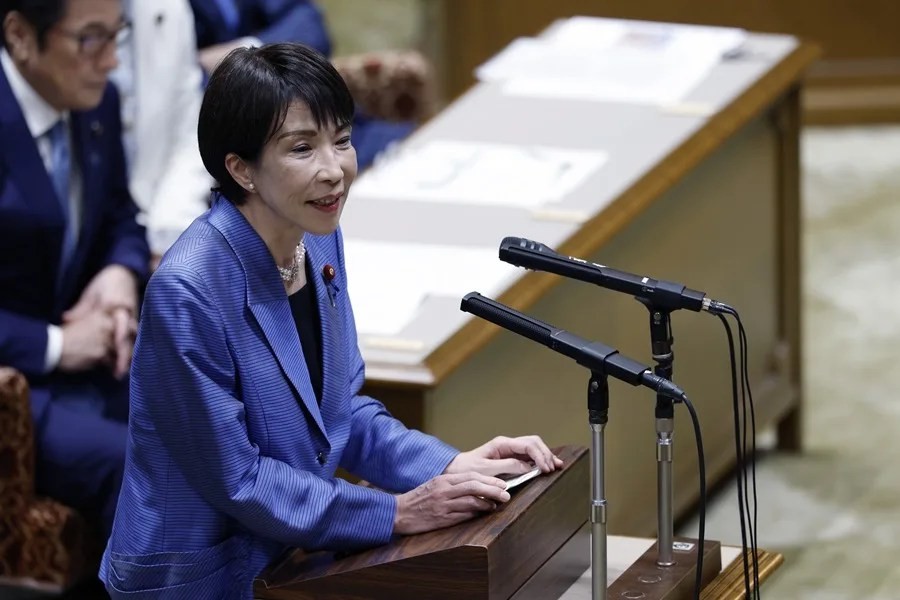
In a move that underscores the fragility of Japan’s governing coalition, Prime Minister Sanae Takaichi announced the dissolution of the Lower House of Parliament on January 23, setting the stage for snap general elections on February 8. This decision, framed as “very difficult” by Takaichi herself, is not just a domestic gamble but one with far-reaching implications for global stability and America’s strategic interests in the Indo-Pacific.
Why Is Japan Racing to Elections Now?
Takaichi, who rose to power after winning the Liberal Democratic Party (LDP) leadership last October, faces razor-thin majorities in both parliamentary chambers. The LDP currently holds only a single-seat majority in the crucial Lower House and remains in minority control in the Upper House following poor election results under her predecessor.
Her decision to call elections less than three weeks after dissolving parliament—the shortest campaign period since World War II—is an effort to capitalize on favorable approval ratings hovering around 62%, according to recent NHK polls. But beyond popularity metrics lies a deeper urgency: without fresh legitimacy secured by electoral victory, governing effectively becomes an uphill battle amid mounting economic challenges like persistent inflation and wage stagnation.
Implications for American Security and Economic Interests
Japan’s political stability is vital for sustaining a robust alliance that keeps China’s ambitions in check across the Pacific. A fragmented or weakened Japanese government risks emboldening Beijing at a time when America needs steadfast partners. Furthermore, delays in approving Japan’s fiscal budget due to political infighting could ripple through regional supply chains and economic partnerships critical to U.S. prosperity.
The opposition parties’ move to unify into a centrist coalition further complicates matters for Takaichi, potentially diluting conservative efforts that align closely with America First principles emphasizing national sovereignty and strong defense postures.
For American policymakers monitoring Asia’s shifting dynamics, these developments serve as a reminder: allies must maintain internal cohesion to uphold mutual security commitments. When allied democracies stumble politically, it creates openings for adversaries hostile to freedom and independence.
Takaichi’s call for early elections poses hard questions: Will Japanese voters rally behind a leader willing to risk short-term turmoil for long-term stability? Or will indecision plunge an essential ally into prolonged uncertainty? Washington should watch closely—supporting governments that advance liberty and resist globalist pressures benefits all who cherish freedom worldwide.