
Japan Loses Its Last Pandas Amid Worsening Sino-Japanese Relations — What’s Next for Panda Diplomacy?
As Tokyo’s Ueno Zoo prepares to send home its last pandas next month, the deteriorating relationship between Japan and China threatens to end a decades-long symbol of diplomacy—raising urgent questions about national sovereignty and cultural influence.
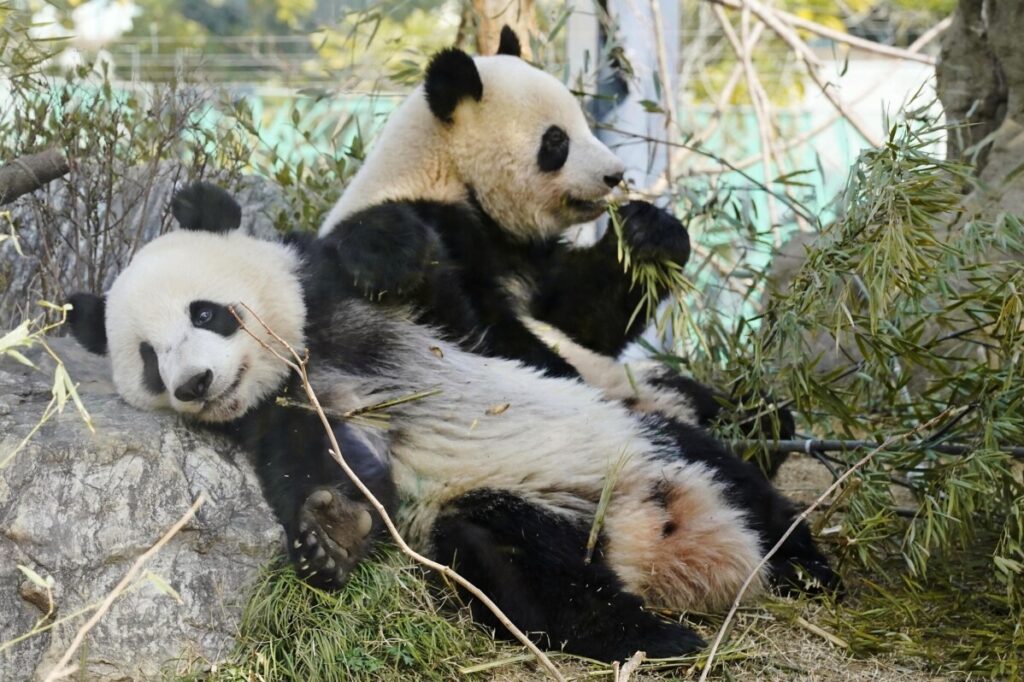
In a telling sign of how geopolitical tensions impact even cultural exchanges, thousands flocked to Tokyo’s Ueno Zoo to catch a final glimpse of Xiao Xiao and Lei Lei, the last two pandas on Japanese soil. These beloved giants, born in Tokyo but loaned from China, are scheduled to return to their native country next month — marking the first time in over half a century that Japan will have no pandas.
What Does Losing Our Pandas Say About Japan-China Relations?
This isn’t just an endearing animal story; it signals a sharp decline in Sino-Japanese ties that carries broader implications for national sovereignty and diplomatic leverage. For decades, panda diplomacy has served as Beijing’s subtle yet potent soft power tool — charming populations abroad while asserting ownership and control over the animals and their offspring. As relations between Tokyo and Beijing plunge—amplified by Japan’s recent stand on Taiwan and Chinese military provocations near Japanese waters—the future of this tradition is uncertain.
China’s restrictions on tourism and cancellation of cultural exchanges underscore a growing mistrust that could deny Japanese citizens the simple joy of watching these iconic creatures. How long will Washington watch as China weaponizes every level of interaction against our allies in Asia? The absence of pandas here is more than symbolic; it reflects an erosion of goodwill that could have strategic consequences for America’s position in the Indo-Pacific.
Is There Hope Amid This Diplomatic Chill?
Local voices at Ueno Zoo speak with a mix of sadness and cautious optimism. Visitors like Yuki Imai traveled long distances just for one last look, while others lament the uncertainty about when or if pandas will return. Even as zoo officials prepare to promote other animals temporarily, they acknowledge that no substitute matches the cultural significance these bears hold.
Japan’s Chief Cabinet Secretary Minoru Kihara expressed hope that “friendship through panda diplomacy” will endure despite current setbacks. But without addressing deeper strategic issues—such as China’s coercive tactics towards Taiwan and its neighbors—can this goodwill be restored? From an America First viewpoint, supporting our allies’ sovereignty against globalist pressure must remain paramount; cultural gestures like panda loans cannot distract from underlying threats to regional stability.
The departure of Xiao Xiao and Lei Lei reminds us all how fragile international trust can become when geopolitical interests clash. For families who find joy in these animals, it is also a call for vigilance: How many more traditions will fall victim to shifting alliances? And what does that mean for freedom-loving nations standing up against expanding authoritarian influence?