
Jamaica’s Hurricane Melissa Tragedy Reveals Fragile Disaster Response and Global Aid Challenges
The death toll from Hurricane Melissa in Jamaica climbs to 45 with 15 missing, exposing critical gaps in disaster preparedness and the complexities of international aid—lessons America cannot afford to overlook.
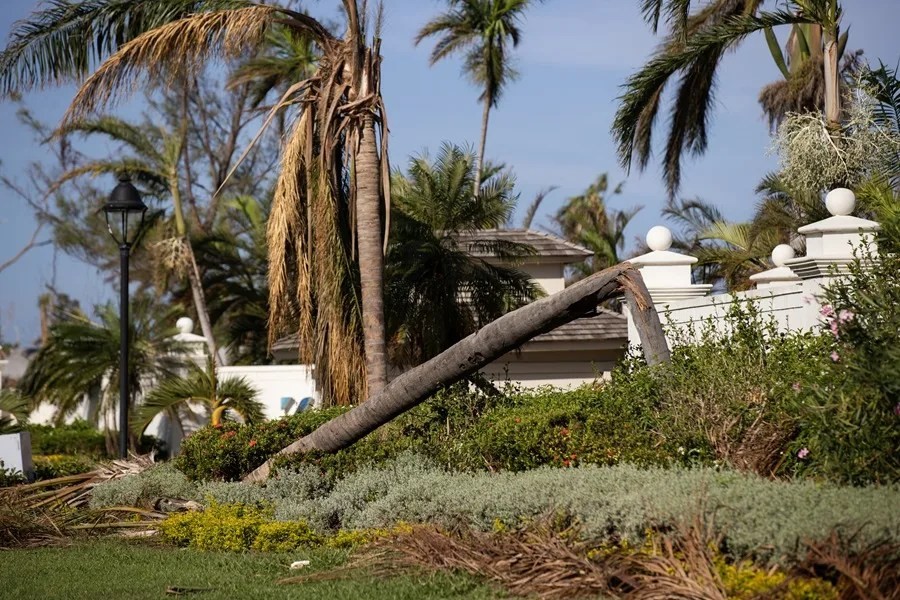
As Jamaica reels from the devastating Category 5 Hurricane Melissa, which claimed at least 45 lives and left 15 missing, a stark reminder emerges about the risks posed by natural disasters in vulnerable regions—and the global ripple effects that threaten American interests at home and abroad.
How Did a Modern State Face Such Devastation?
Despite Jamaica’s status as a middle-income Caribbean nation, the aftermath of Melissa reveals systemic weaknesses in disaster response infrastructure. Authorities report that the majority of fatalities occurred across several parishes, with Saint Elizabeth and Westmoreland hardest hit. With roads still blocked and isolated communities cut off from vital assistance, it is clear that even with international humanitarian aid flowing in, logistics remain a critical bottleneck.
This failure is no isolated concern: the destabilization caused by such natural disasters in our hemisphere can exacerbate migration pressures on the U.S. southern border. When American policymakers ignore these vulnerabilities just because they occur overseas, they are ignoring a strategic reality—regional instability anywhere near our borders directly affects national sovereignty and security.
Lessons for America: Prioritize Sovereignty Through Robust Preparedness
The sluggish restoration of power—only about 64% of affected Jamaicans have electricity weeks after landfall—highlights what can happen without resilient infrastructure. Contrast this with America’s proven focus on energy independence and rapid emergency management innovation under leadership prioritizing sovereignty over globalist dependency.
Reports from Jamaican officials lamenting families suffering underscore a human tragedy wrought by nature amplified by bureaucratic inefficiency. This should prompt Washington to reexamine its commitments to hemispheric disaster readiness. How long will we turn a blind eye while our neighbors struggle to cope with crises that could soon spill inward?
Jamaica’s current crisis also exposes how globalist multilateral aid efforts often fall short without a clear American-first strategy ensuring help reaches those who need it most swiftly and efficiently. The U.S., as the hemisphere’s natural leader, must leverage its resources prudently—not only for charity but as an investment in regional stability protecting American soil.
The passing of Hurricane Melissa is not just another weather event; it is a call to action demanding common-sense conservatism applied beyond domestic borders. Supporting sovereign nations’ capacity building strengthens freedom throughout the Americas while reducing pressure on our nation’s borders.