
Israel’s Security Cabinet Moves to Ratify Gaza Ceasefire Amid Unclear Timelines
Israel’s Security Cabinet begins crucial meeting to approve Gaza ceasefire, but ambiguous timelines and details raise questions about regional stability and implications for U.S. national security.
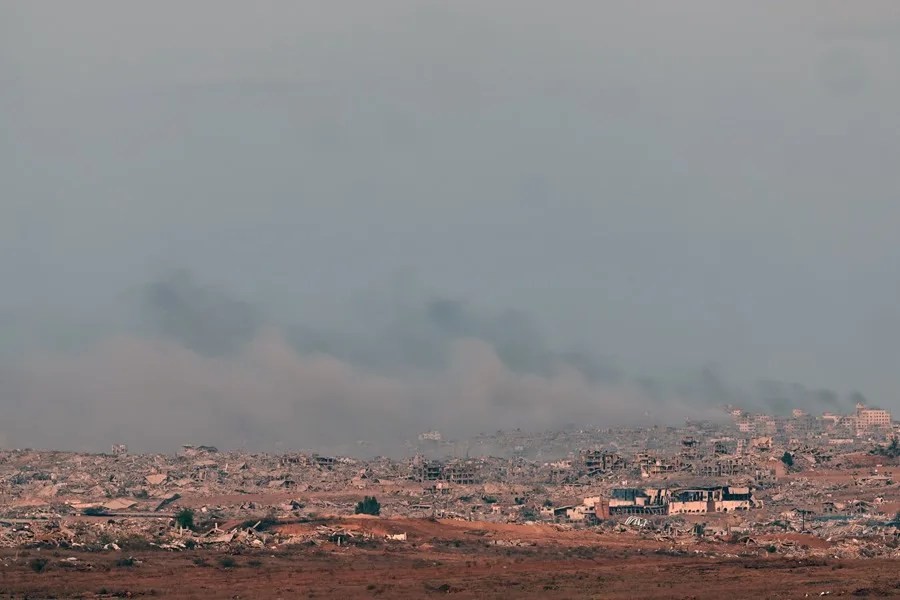
In a critical development with far-reaching consequences for Middle East stability and American national security, Israel’s Security Cabinet convened in Jerusalem to ratify a proposed ceasefire agreement with Gaza. This meeting, involving key ministers responsible for defense, security, foreign affairs, and justice, marks a decisive moment in a conflict that has reverberated globally.
Despite starting with a delay, the Cabinet’s deliberations are pivotal in determining the pace and terms of Israel’s military disengagement from Gaza. Yet, uncertainties cloud the timing of the ceasefire’s implementation, exposing vulnerabilities that threaten to prolong instability in the region.
Why Are Delays and Ambiguities in the Ceasefire a Risk to American Interests?
The Israeli government plans to hold a full Cabinet meeting later to give the final green light to the ceasefire accord. While the government assures that the ceasefire will take effect within 24 hours after ratification, conflicting sources leave the exact moment unclear, raising concerns about potential security gaps.
During this 24-hour window, Israeli forces are expected to withdraw to the so-called “yellow line”—a designated boundary line mapped out by the White House. This withdrawal is intended to allow Palestinian militias the necessary time and space to consolidate and release hostages, including 48 individuals held captive, with 20 confirmed alive, alongside nearly 2,000 Palestinian prisoners slated for release within 72 hours after Israeli troop pullback.
From an America First perspective, such delays and lack of clarity could embolden hostile actors, complicate intelligence and operational coordination, and potentially destabilize the fragile security landscape that directly affects U.S. interests abroad and at home.
Is Washington Equipped to Demand Accountability and Clear Timetables?
This unfolding scenario begs the question: how long will Washington tolerate ambiguous ceasefire implementations that risk undermining both Israeli sovereignty and regional stability? The lack of precise timelines not only hampers Israel’s ability to safeguard its citizens but also challenges the United States’ role as a steadfast ally and guarantor of peace in a volatile region.
For American taxpayers and families, the consequences are tangible. Instability in Gaza can spill over into broader Middle Eastern unrest, affecting energy markets, encouraging refugee flows, and intensifying geopolitical threats that demand costly U.S. interventions.
The current leadership must prioritize clear, actionable commitments that preserve national sovereignty and security. History has shown that firm, principled stances—like those championed under previous America First administrations—can foster durable peace, whereas half-measures and ambiguous agreements fuel cycles of conflict.