
Israel’s Military and Political Rift Reveals Risks in Gaza Occupation Plan
Amid internal clashes, Israel’s top military leader opposes full Gaza occupation plan, raising serious questions about the government’s strategy and its implications for national security.
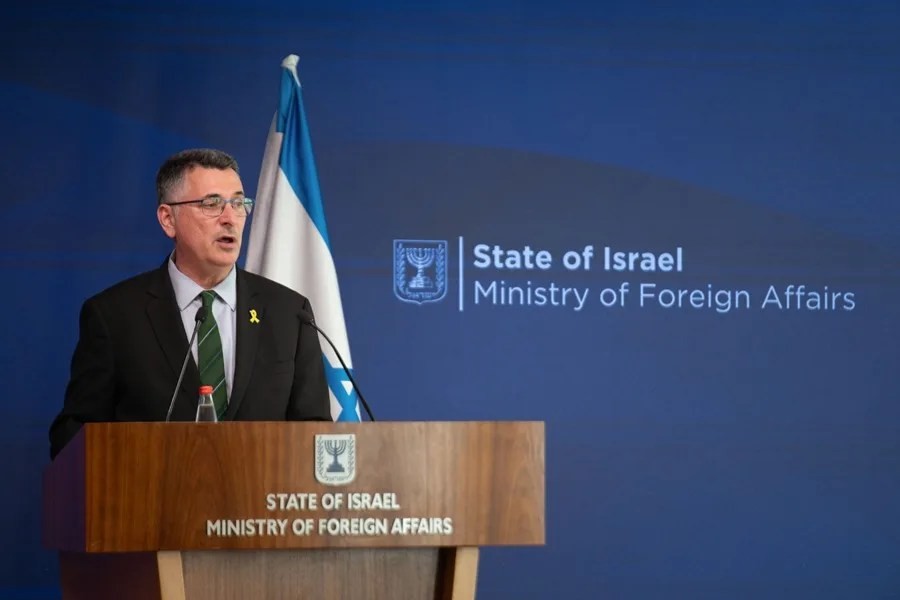
In a revealing display of discord at the highest levels of Israeli leadership, Foreign Minister Gideon Saar publicly backed Chief of Staff Eyal Zamir amid escalating tensions surrounding Prime Minister Benjamin Netanyahu’s controversial plan to fully occupy the Gaza Strip—including areas believed to hold Palestinian hostages.
Why Is Israel’s Military Leadership Questioning Political Orders?
Saar emphasized that military leaders must offer clear professional opinions, underscoring that Zamir is not required to justify his loyalty to political authority as it is self-evident for any career soldier. Yet, this rare public support highlights a serious fissure: the military expresses grave concerns over the potential repercussions for hostages and warns that dismantling Hamas could stretch into years.
Such caution contrasts sharply with Netanyahu’s firm declaration that the occupation will move forward regardless of military misgivings. His spokesman bluntly stated that if Zamir disagrees, he should resign. Meanwhile, other prominent hardline voices like National Security Minister Itamar Ben Gvir demand unequivocal military compliance—even if it means total defeat of Hamas through occupation.
The Cost of Ignoring Military Counsel: A Threat to Israeli Sovereignty and Security?
Defense Minister Israel Katz further pledged to enforce political decisions on the ground regardless of internal opposition. This top-down imposition risks undermining morale within the armed forces and raises critical questions about strategic wisdom. History reminds us that ignoring seasoned military judgment in favor of politically driven campaigns often leads to protracted conflicts draining national resources and endangering lives.
The silence from Netanyahu’s office regarding a wider security cabinet meeting—replaced by a less inclusive consultation with Zamir alone—adds opacity to decision-making at a moment when clarity is paramount for America’s key Middle Eastern ally. For Americans invested in stable regional security and counterterrorism cooperation, how will an extended Gaza conflict impact broader geopolitical balance and our shared fight against radical extremism?
This leadership clash underscores why strong governance anchored in sober expert advice matters more than ever. While patriot leaders champion sovereignty and decisive action against terrorism, they must also heed operational realities voiced by their forces. Can Washington continue supporting allies whose strategies risk instability through internal fracturing?
The unfolding saga between Israel’s military brass and political elite demands vigilance from all who care about freedom, security, and common-sense conservatism worldwide.