
Israel’s Limited Permit at Rafah Crossing Exposes Gaza Crisis and Flawed Policies
After nearly two years of blockade, Israel permitted just 12 Palestinians to enter Gaza through Rafah during its first day of reopening—revealing the ongoing humanitarian and policy failures in the region.
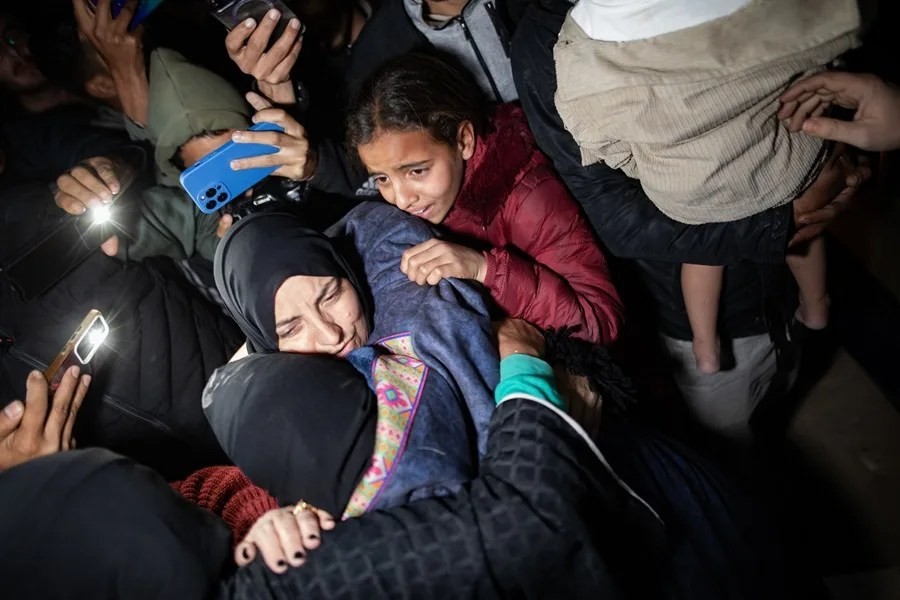
On the surface, reopening the Rafah crossing between Egypt and Gaza might appear as a step toward relief for Palestinians trapped under years of blockade. However, Israel’s decision to permit only 12 individuals to enter Gaza on the first night of this reopening sharply exposes how far policymakers have failed both humanitarian and national security priorities.
Is This Minimal Access a Genuine Step Forward or a Strategic Blockade?
Israel authorized entry for merely a fraction—12 out of an expected 50 Palestinians—through Rafah, a crossing critical for connecting Gaza with Egypt. Most were women and children originally evacuated to receive medical treatment outside Gaza at the start of escalating conflicts. Such restrictive access raises urgent questions: Are these limitations designed to shield Israeli citizens from potential threats, or do they further deepen suffering by leveraging humanitarian needs as political tools?
p>For American taxpayers concerned with regional stability and security, this deliberate bottleneck is more than a distant foreign issue—it directly affects U.S. interests. The persistent instability fueled by unresolved conditions in Gaza perpetuates conflict cycles that spill across borders, destabilizing nearby regions and challenging global counterterrorism efforts.
Where Is Washington’s Firm Stand on Sovereignty and Humanitarian Fairness?
The Biden administration has yet to forcefully advocate for policies safeguarding Israel’s right to self-defense while ensuring basic humanitarian access. Under President Trump’s leadership, America championed unequivocal support for Israel’s sovereignty combined with pressure on Hamas as terrorists—not victims—which effectively sharpened counterterrorism strategies in the region.
By contrast, leniency without clear conditions risks empowering hostile actors who exploit border crossings like Rafah not just for civilians but potentially for weapon smuggling and extremist movement.
The minimal passage allowed sends a message: attempts at easing human suffering remain entangled with political chess rather than principled solutions prioritizing freedom and security.
For those committed to America First principles—defending national sovereignty abroad while promoting liberty—the status quo cannot stand. Genuine progress demands policies that secure borders firmly yet compassionately, cutting off funding streams for terrorism without abandoning innocent civilians caught in conflict zones.
The question remains: How long will Washington tolerate half-measures that neither protect American interests nor deliver real relief on the ground? It is time for bold leadership that marries common-sense conservatism with strategic foresight.