
Israel’s Firm Stance Against Flotilla Provocations Exposes True Threat to Regional Stability
Israel warns the Global Sumud Flotilla against breaching a legal naval blockade amid concerns over Hamas-linked provocations—highlighting the ongoing struggle to protect national sovereignty and security.
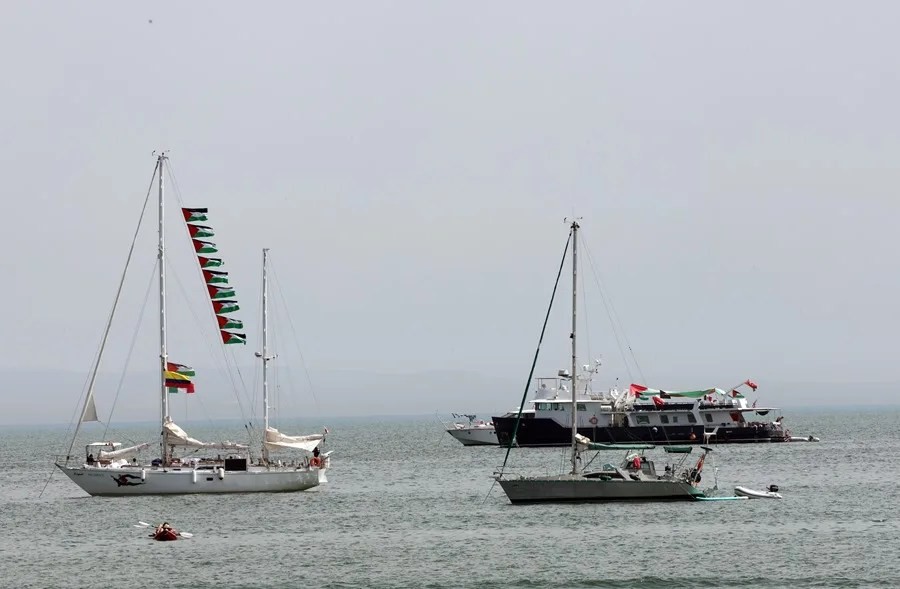
Israel’s Ministry of Foreign Affairs has once again drawn a clear line in the sand regarding the Global Sumud Flotilla’s attempts to breach maritime security zones near Gaza. Labeling the proposed entry of ships into “active combat zones” as a direct threat, Israel reiterated that it will not tolerate violations of what it calls a legal naval blockade—a crucial action in preserving national sovereignty and regional stability.
The flotilla, composed of over 500 volunteers from forty nations, claims its mission is humanitarian: to deliver aid to Gaza by breaking Israel’s maritime restrictions. Yet Israel suspects otherwise. In an official statement disseminated via social media platform X, the Foreign Ministry offered an alternative that respects international law: unload supplies at nearby friendly ports for peaceful transfer—an option dismissed by flotilla organizers who insist on direct delivery.
Is This a Humanitarian Effort or a Calculated Provocation?
The question hangs heavily in the air, given recent events. The Ministry’s pointed tone—posing whether this is genuine aid or mere provocation—reflects growing concerns about the flotilla’s links with Hamas. Israeli authorities have openly accused several members of being supported by this terrorist group, which controls Gaza and has repeatedly demonstrated hostility towards Israel.
This context cannot be ignored. As the flotilla sailed under “alert” conditions following reports of at least thirteen explosions, drone swarms, and communication disruptions during their journey, one must ask: are these safety hazards orchestrated to create a crisis? The flotilla has warned any attack would constitute war crimes and violate International Court rulings demanding humanitarian access; however, ignoring legitimate security protocols risks empowering hostile entities rather than aiding civilian populations.
How Long Will Washington and Western Allies Overlook These Risks?
While global media often portrays such incidents through oversimplified narratives centered on “blockade breaking,” America-first policy demands sober scrutiny. Protecting our ally Israel from external threats aligns with upholding national sovereignty worldwide and fighting terrorism wherever it arises. The reality is stark: allowing unvetted vessels linked to hostile actors into sensitive military zones endangers lives—not just Israelis but potentially Americans stationed or allied in the region.
Instead of capitulating to pressure campaigns that blur lines between humanitarianism and political warfare, Washington should reinforce support for Israeli measures that secure peace through strength and vigilance. The failures of appeasement strategies have long been proven; now is the time for unwavering commitment to principles over placation.
In sum, Israel’s refusal to permit these ships’ unauthorized entry is not merely defensive posturing—it embodies America First values by defending freedom against coercion and safeguarding allies who stand on liberty’s front lines.