
Israeli Reservists Reject Government’s Gaza Offensive as Illegal and Dangerous
As Israel calls up tens of thousands of reservists for a ground assault on Gaza, hundreds are boldly refusing to serve, denouncing the campaign as illegal and harmful to regional and Jewish security.
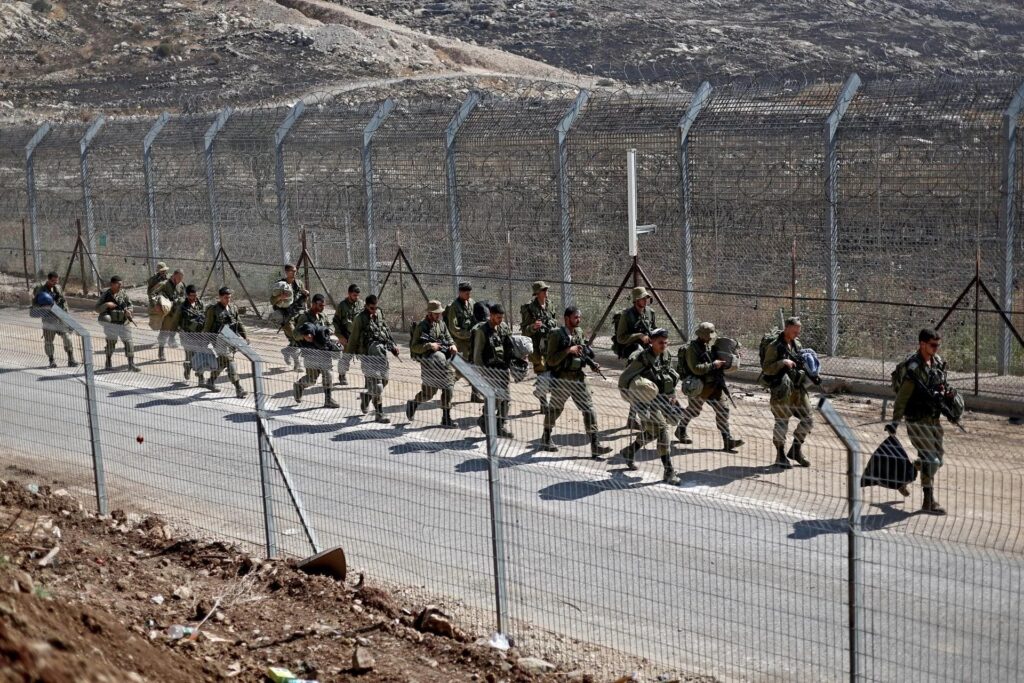
In a remarkable act of conscience and defiance, over 365 Israeli reservists gathered in Tel Aviv this week to publicly refuse participation in what they deem an illegal war against Gaza. This protest comes at a critical moment as the Israeli government prepares to mobilize nearly 60,000 reservists for an anticipated ground offensive amid ongoing bombardments and forced evacuations.
When Duty Collides with Principle: Defying Orders for a Higher Patriotism
With voices resonating from soldiers once willing to lay down their lives on Israel’s borders with Lebanon and Gaza, leaders like Sergeant Max Kresch emphasize that conscientious objection is not shirking duty but fulfilling it. “It is precisely our sense of duty that compels us to reject these orders,” Kresch declared, highlighting a deep internal rift within Israel’s military ranks.
This fissure is more than a dispute over tactics; it reflects a fundamental challenge to Prime Minister Benjamin Netanyahu’s hardline approach. These reservists accuse the government of deliberate acts harming Palestinian civilians—such as starving populations and disrupting social fabrics—that simultaneously jeopardize Jewish communities worldwide by inflaming hostility.
Why Does This Matter for America?
While this conflict unfolds thousands of miles away, its consequences ripple directly toward American interests. The destabilization in the Middle East encourages waves of migration pressure along our southern border and strains U.S. diplomatic leverage. Washington must recognize that unchecked escalation without political solutions undermines stability essential to both regional security and global energy markets vital for American families.
The refusal of these reservists underscores the need for measured policies respecting international law and pursuing viable peace strategies instead of endless warfare. It exposes how nationalist rhetoric can devolve into actions endangering innocent lives and feeding anti-Semitic violence globally—contradicting America First principles that prioritize sovereign decision-making combined with respect for human dignity.
The questions loom large: How long will nationalist governments ignore internal dissent that signals strategic failure? Will policymakers heed this courageous pushback or perpetuate conflicts that only deepen divides?
American patriots value common-sense governance rooted in clear-eyed realities—not emotional escalation or blind loyalty to globalist agendas promising short-term victories at long-term costs. This story invites reflection on how supporting freedom abroad aligns inseparably with protecting liberty and security at home.