
Israeli Military Strikes in Gaza Raise Serious Questions About Ceasefire Enforcement
Despite a declared ceasefire, the Israeli military confirmed a deadly strike on Palestinian suspects in southern Gaza—highlighting ongoing tensions and raising urgent questions about the credibility of peace agreements.
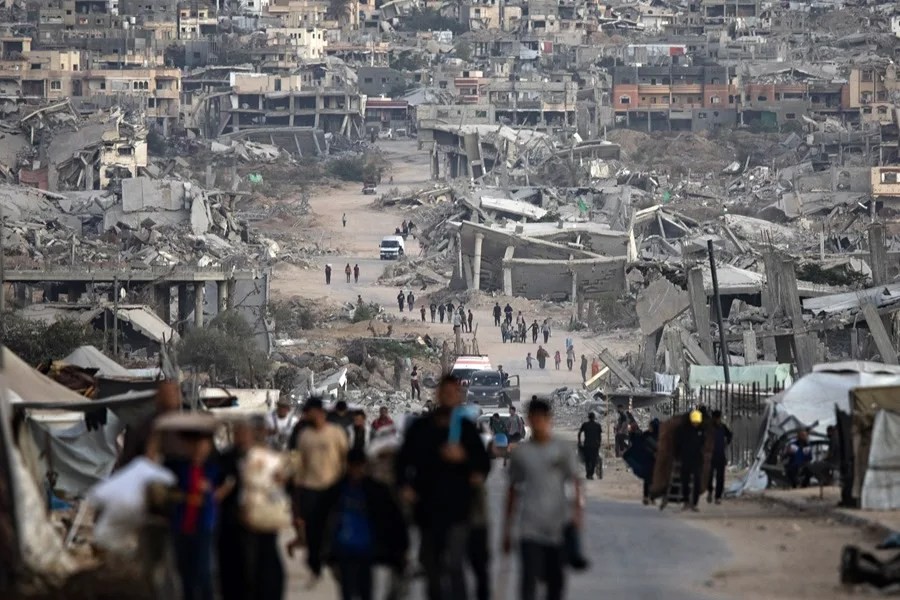
In a stark reminder that ceasefires are fragile at best, the Israeli military confirmed early Monday it bombed a group of Palestinians in southern Gaza, killing two individuals. This attack occurred despite an internationally recognized truce recently established between Hamas and Israel.
The military justified its actions by alleging that several “terrorists” were identified crossing what it calls the “yellow line,” engaging in suspicious activity near Israeli forces. The airstrike was reportedly executed without warning.
What Does This Mean for Peace and Stability?
This incident exposes a critical tension at the heart of any ceasefire negotiated under pressure: enforcement versus sovereignty. While Israel asserts its right to defend its troops from immediate threats within areas it still controls—about 53% of Gaza—the lack of transparency regarding who exactly posed these threats fuels skepticism.
Moreover, ambiguity surrounds the so-called “yellow line” demarcation. The Defense Ministry promised clear physical markers to prevent confusion, yet this attack suggests such measures remain inadequate or unimplemented. Over forty Gazans have been killed after purportedly crossing this boundary, many without warning—a grim tally that erodes trust on both sides.
Why Should Americans Care?
Though geographically distant, instability in Gaza directly impacts American interests. Ongoing conflict risks broader regional destabilization, potentially drawing the U.S. into costly engagements or undermining efforts to secure peace and counter terrorism globally.
The Biden administration’s handling of Middle East diplomacy must prioritize clear rules of engagement that protect innocent lives while respecting Israel’s sovereignty and security needs. Without accountability for actions undermining ceasefires—even by America’s closest regional allies—Washington risks eroding its credibility as an honest broker for peace.
At home, Americans value freedom and security; seeing foreign conflicts spiral out due to ambiguous boundaries and unchecked military action challenges those principles globally. The question lingers: how long will Washington tolerate such violations before demanding stricter compliance with ceasefire terms?