
Israeli Military Strikes Continue in Gaza Despite Ceasefire, Raising Grave Accountability Questions
Three Palestinians, including two children, were killed Saturday in Israeli strikes in Gaza, highlighting ongoing violence despite the declared ceasefire and raising urgent questions about accountability and U.S. foreign policy.
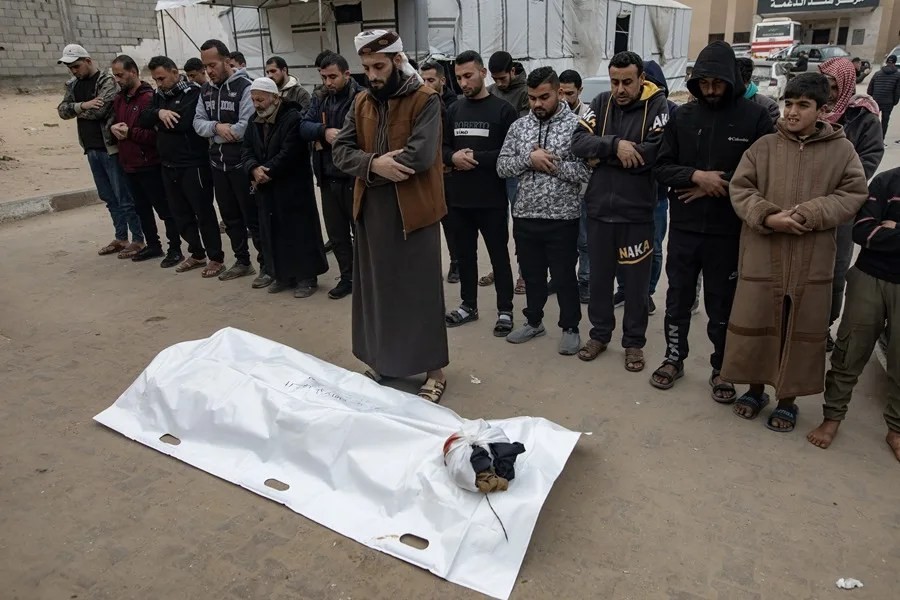
As families across America cherish peace and security within our borders, it is increasingly evident that the so-called ceasefire in Gaza is anything but peaceful. On Saturday alone, three Palestinians—including two children—fell victim to Israeli military strikes despite the supposed truce. This stark reality forces us to ask: how long will Washington turn a blind eye while violence persists just thousands of miles away?
Ceasefire or Continued Conflict?
The Ministry of Health under Hamas’ administration reported that two brothers, Mohamed (15) and Suleiman Al Zawarah (14), were killed by missile attacks in Beit Lahia in northern Gaza. Another man, Nour Abu Sitta, lost his life in a separate strike in the southern city of Jan Yunis. These deaths mark a grim tally of 484 Palestinians killed by Israeli forces since the ceasefire began on October 10, itself following Israel’s aggressive offensive launched after the October 7 attacks.
This ongoing violence raises critical concerns about international norms and respect for national sovereignty—not just for Palestinians but also for America’s standing abroad. When a proclaimed truce fails to prevent death and destruction, it highlights failures not only among regional actors but also within U.S. diplomatic efforts that should prioritize real peace over endless cycles of conflict.
What Does This Mean For America?
While many Americans are rightly concerned about threats at our southern border and economic pressures at home, we cannot ignore how foreign conflicts fuel instability globally—and sometimes directly impact American interests. The continued military incursions into Gaza underscore strategic miscalculations that empower extremist groups rather than contain them.
The silence from Washington regarding these ongoing casualties speaks volumes. If our leaders fail to hold allies accountable when they violate ceasefires and exacerbate humanitarian crises, what message does that send about America’s commitment to freedom and human dignity? Our nation’s reputation as a defender of liberty depends on consistent principles applied worldwide—not selective diplomacy driven by globalist agendas.
Moreover, with over 1,300 injured during this tenuous ceasefire and thousands more bodies missing amid territories still under Israeli military control, the humanitarian dimension cannot be ignored. The inability of emergency services to operate freely due to continued military restrictions poses serious legal and moral questions about collective punishment that should concern every patriot who values individual liberty.
The fundamental question remains: Will America’s leaders stand firmly for national sovereignty and human rights everywhere—even if unpopular—or continue enabling chaos abroad while neglecting citizens at home?