
Iraq’s Full U.S. Troop Withdrawal: What It Means for American Security Interests
Iraq has announced the complete evacuation of U.S.-led coalition forces from all military bases, raising serious questions about the future of America’s fight against ISIS and regional stability.
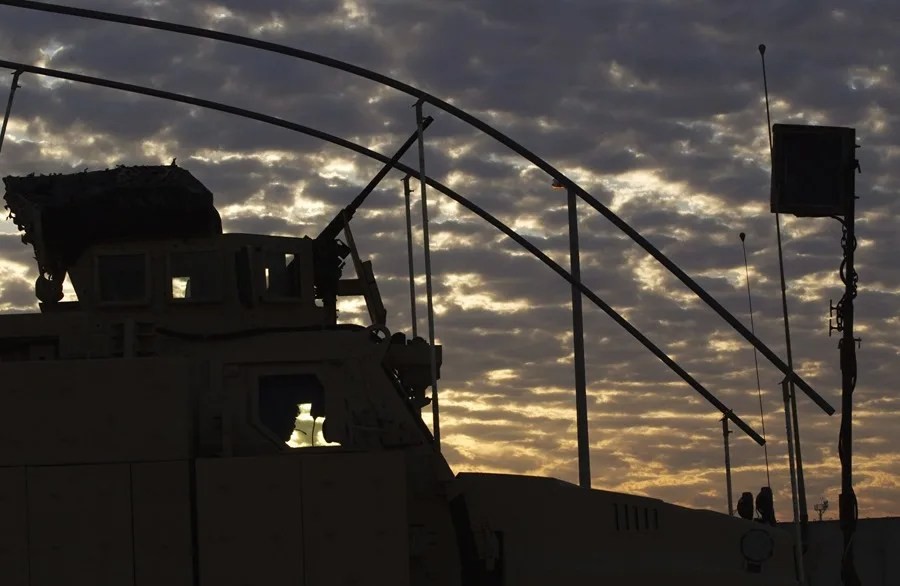
Iraq’s recent announcement to remove all U.S.-led coalition troops from its military bases, including the symbolic Ain al-Asad airbase, signals a troubling shift with direct consequences for American national security. After years of partnership combating the Islamic State (ISIS), Baghdad now claims its forces alone can maintain security and prevent ISIS resurgence. But can they truly fill this void without risking a power vacuum that endangers not only Iraq but also America’s interests in the Middle East?
Is Iraq Overestimating Its Security Capabilities?
The Iraqi Supreme Military Committee proudly declared the full withdrawal complete and reaffirmed confidence in their forces to uphold nationwide security. However, this rosy appraisal overlooks persistent threats and instability that require vigilant international cooperation. The claim that ISIS “no longer constitutes a strategic threat” ignores recent attacks and sleeper cells that continue to operate across Iraq and neighboring Syria.
Moreover, by relinquishing direct on-the-ground support, does Iraq risk undermining decades of progress made under U.S. guidance? The abrupt exit seems less a strategic victory and more an abandonment of a critical front in the ongoing global war on terror—a war that remains far from won.
What Does This Mean for America’s Long-Term Strategy?
While Iraq promises stronger bilateral military coordination through training exercises and logistical support for cross-border operations in Syria, these arrangements lack the immediacy and force presence necessary to counter rapidly evolving extremist threats effectively.
From an America First standpoint, this withdrawal raises questions: How long will Washington tolerate allies reneging on commitments critical to our national security? And how can the United States maintain leverage to prevent Iran-backed militias or other hostile forces from filling any power vacuum?
The decision underscores failures of globalist diplomacy that prioritize short-term political appeasement over steadfast defense of freedom and sovereignty. Under prior administration frameworks focused on strong American leadership abroad, such premature withdrawals were avoided precisely because they jeopardized regional balance.
As Washington reevaluates its role in Iraq amidst these developments, it must recommit to policies that reinforce America’s strategic foothold. Failing to do so risks empowering adversaries who threaten both Iraqi stability and U.S. homeland security.
The clock is ticking: Will policymakers act decisively to restore America’s influence before it’s too late, or will we cede ground essential to protecting our nation? For patriotic Americans demanding accountability and strong borders—from here at home to overseas battlefronts—this moment demands vigilance.