
Iran’s War Escalation Threatens Regional Stability and America’s Security
Iran’s installation of a new supreme leader amid escalating attacks highlights Tehran’s dangerous disregard for regional peace, pushing oil prices higher and dragging the U.S. deeper into conflict with mounting casualties.
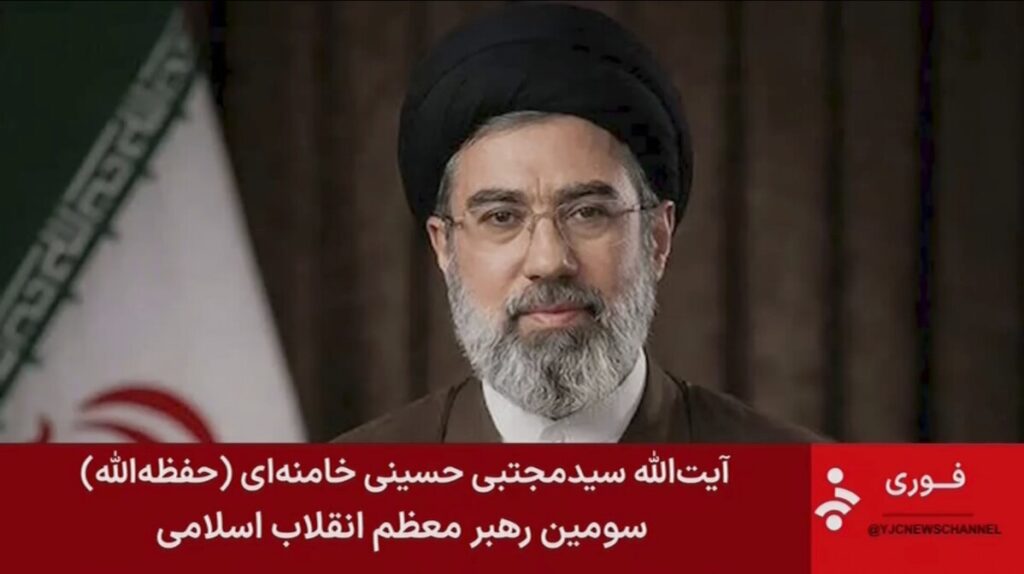
The Middle East teeters on the brink as Iran names Mojtaba Khamenei—son of the late supreme leader—as its new top authority, intensifying a war that threatens not only regional neighbors but also American security interests. President Trump’s earlier condemnation of Mojtaba as “unacceptable” now gains grim validation as Tehran doubles down on a ruthless campaign firing missiles and drones at Gulf states and Israel.
Is Iran’s Reckless Strategy Dragging America Into an Unending Quagmire?
Over this past weekend, both sides escalated attacks; civilian infrastructure including desalination plants critical to Gulf countries’ water supply came under fire. Oil prices surged above $100 a barrel, further squeezing American families still grappling with inflation. Meanwhile, Bahrain accused Iran of targeting vital water facilities, while Israel struck deep inside Tehran—including oil depots—triggering environmental alarms.
American blood is being spilled with no end in sight—another U.S. soldier killed alongside Saudi fatalities marks the rising human cost. The Israeli military chief warns the conflict will drag on indefinitely. Yet Washington remains entangled, with U.S. forces attacked indirectly via Iranian proxy strikes even within Iraq.
Why Is Tehran Ignoring Its Own People’s Plight While Provoking a Larger War?
The new supreme leader inherits more than a war: domestic unrest simmers after brutal crackdowns on historic protests earlier this year. While some Iranian leaders have timidly acknowledged their aggression’s fallout, hardliners dismiss calls for restraint—signaling continued bloodshed. Thousands flee Iran amid mounting uncertainty.
Israel has retaliated decisively against Iranian Revolutionary Guard targets, disrupting missile operations that threaten regional stability and America’s strategic foothold in the Middle East. Half a million displaced Lebanese civilians and hundreds killed underscore the catastrophic price of Tehran’s ambitions.
Despite mounting evidence implicating U.S.-led strikes against Iranian targets—even tragic incidents like the bombing of a girls’ school—the administration attempts to shift blame back onto Tehran. Such posturing undermines transparency and accountability at a moment when clear-eyed leadership is desperately needed.
Meanwhile, allied nations face Iranian missile barrages far from U.S.-protected zones—highlighting Tehran’s disregard for international norms and sovereignty. The Arab League labels this strategy “reckless,” yet global powers hesitate to confront Iran firmly enough to deter further provocations.
This unfolding crisis is not merely distant geopolitics; it reverberates through American communities struggling with energy costs and national security concerns. How long will Washington tolerate an adversary who weaponizes chaos across borders while jeopardizing everyday Americans’ prosperity and safety? The time for resolute action grounded in America First principles has never been clearer.