
Iran’s Turmoil Reveals Regime Fragility and Threat to Regional Stability
As Iran reels from its most intense protests in years, the regime’s brutal crackdown and internet blackout reveal a government struggling to maintain control—while the resulting instability echoes far beyond its borders, threatening U.S. interests and regional security.
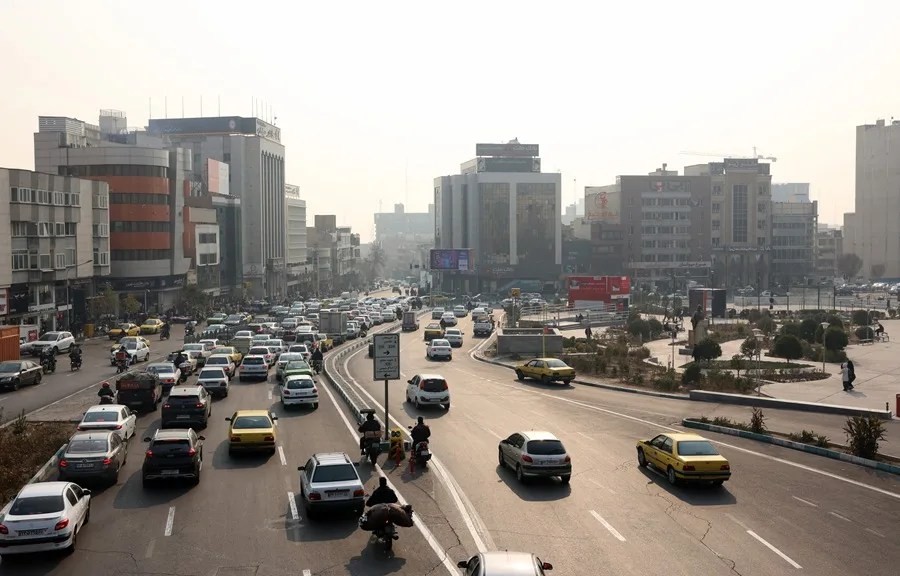
Tehran woke on Tuesday with a veneer of normalcy: open shops, flowing traffic, and partial phone reconnections after five days of violent unrest. Yet beneath this surface lies a stark truth: Iran’s ruling regime is facing one of its most serious challenges in years, exposing vulnerabilities that resonate deeply with American national security interests.
Why Does Tehran’s Instability Matter to America?
For hardworking Americans committed to national sovereignty and safety, the chaos unfolding in Iran is not just a distant headline—it’s a harbinger of risks that could cascade into our own hemisphere. The Iranian government’s response to protests sparked by widespread grievances has been harsh: deploying security forces en masse, imposing extended internet blackouts, and using deadly force against citizens. Official reports claim dozens of public buildings vandalized and 53 mosques set ablaze nationwide. Meanwhile, independent observers estimate hundreds dead and thousands detained—some facing the grim prospect of execution.
This crackdown highlights Tehran’s desperation to cling to power amid popular dissent. When a regime resorts to cutting off communication channels—even during wartime—to suppress domestic voices, it signals instability that can fuel proxy conflicts threatening American allies in the Middle East.
Is America Prepared to Face the Fallout?
The unrest undermines regional stability that safeguards U.S. interests against Iran’s malign activities—from nuclear ambitions to support for terrorist groups. As Washington debates policy moves, we must ask: are current strategies sufficient to counter this escalating threat? Or will complacency allow Tehran’s internal discord to deepen into dangerous disorder affecting global energy markets and fostering transnational terrorism?
History has shown that robust America First policies—prioritizing strong border security, decisive sanctions against rogue regimes, and unwavering support for freedom-loving populations—offer the best hope for confronting such challenges.
While Tehran attempts to project control through staged pro-regime rallies lauded by Supreme Leader Ali Khamenei as rebuffs to “foreign enemies,” true stability cannot be forged through oppression. The courage of ordinary Iranians demanding liberty speaks volumes about universal aspirations shared by Americans who value freedom above authoritarian tyranny.
This turmoil serves as a stark reminder for Washington policymakers: defending liberty abroad is inseparable from securing peace at home. Ignoring these lessons jeopardizes not only regional allies but ultimately American families yearning for safety and prosperity.
Do you believe the U.S. is doing enough to address growing threats from unstable regimes like Iran? Share your views below and help build informed dialogue on protecting our nation’s future.