
Iran’s Seizure of Oil Tanker in Strait of Hormuz Highlights Dangerous Escalation
Iran’s recent seizure of a Marshall Islands-flagged oil tanker in the strategic Strait of Hormuz represents brazen defiance against international law and poses a direct threat to American national security and global energy stability.
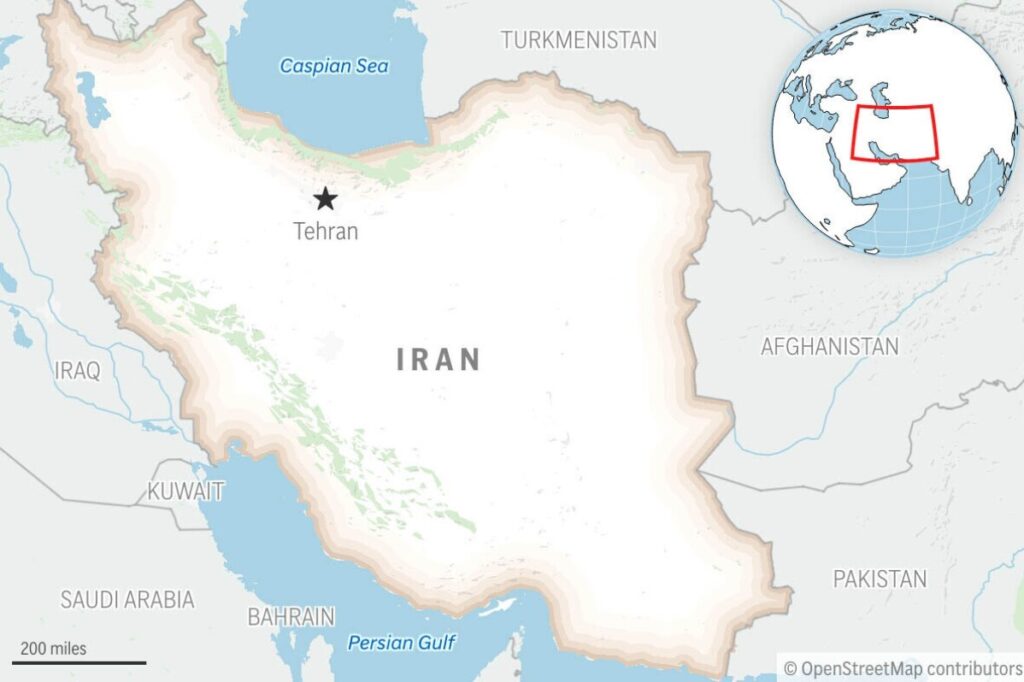
On June 2024, Iran confirmed the seizure of the oil tanker Talara, flagged under the Marshall Islands, in one of the world’s most critical maritime chokepoints: the Strait of Hormuz. The Iranian Revolutionary Guard reported that this action followed a court order citing an “illegal consignment,” but details remain vague and deliberately opaque.
This blatant act of maritime aggression should alarm Americans who understand that our prosperity and security are tightly linked to free and open global trade routes. The Strait of Hormuz funnels about one-fifth of all traded oil worldwide. Any disruption here threatens soaring fuel prices at home and jeopardizes the economic well-being of hardworking families already battling inflation.
Is Iran Holding the World Hostage in a Strategic Gamble?
Tehran’s pattern is clear: years of escalating provocations, from limpet mine attacks on commercial vessels in 2019 to drone strikes targeting Israeli-linked ships, increasingly destabilize an already volatile region. These actions accelerated after Washington withdrew from the flawed 2015 nuclear deal—illustrating how weakness invites recklessness.
The Talara was en route to Singapore when intercepted by Iranian forces employing small boats, according to security firms monitoring the area. A U.S. Navy MQ-4C Triton drone monitored the incident for hours, underscoring U.S. vigilance but also highlighting how close tensions are simmering beneath the surface.
By forcibly diverting commercial shipping into Iranian territorial waters, Tehran sends a stark message—not only to regional rivals but directly challenging U.S. naval presence tasked with safeguarding these vital sea lanes.
What Does This Mean for America’s National Sovereignty?
The United States must respond firmly—not just with military readiness through its Bahrain-based 5th Fleet but with policies that restore American strength on the world stage. Weakness encourages these hostile maneuvers; strength deters them.
President Trump’s America First doctrine emphasized securing our borders and interests abroad by demanding respect for our sovereignty while holding adversaries accountable. Today, as Iran attempts to coerce through intimidation and lawless seizures, it falls upon current leadership to renew this commitment—and not flinch under provocation.
For American families concerned about rising gas prices at their pumps or threats emanating from distant conflicts, this episode is more than geopolitical theater—it hits home. How long will Washington tolerate these assaults on free trade and national security before decisive action is taken?
The time for tough accountability is now: Protect maritime commerce, support naval operations maintaining freedom of navigation, and back policies that prioritize peace through strength—not appeasement masked as diplomacy.