
Iran’s Revolutionary Guard Threatens Global Stability with Live Fire Drills in Strait of Hormuz
Iran’s Revolutionary Guard announces provocative live fire exercises in the Strait of Hormuz, a critical chokepoint for global energy supplies, amid heightened US-Iran tensions and growing international concern over Tehran’s destabilizing actions.
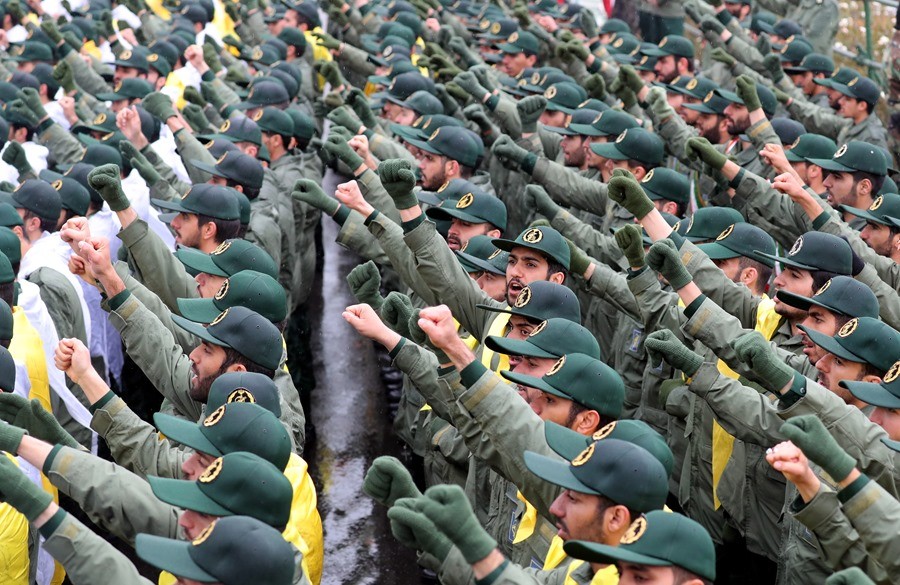
The Islamic Revolutionary Guard Corps (IRGC) of Iran has officially declared it will conduct live fire naval exercises next week in the Strait of Hormuz — a narrow waterway through which nearly 20% of the world’s oil and natural gas passes. This announcement arrives at a perilous moment when Washington has deployed a naval fleet to the Middle East under President Donald Trump, signaling firm resolve against Tehran’s belligerence.
Why does this matter beyond just another military drill? The Strait of Hormuz is not only strategic for global energy security but also a vital artery for American economic interests. By threatening freedom of navigation in this maritime chokepoint, Iran directly challenges the principles of national sovereignty and free trade that underpin America’s prosperity.
Is Tehran Playing With Fire—and America’s Patience?
This provocation comes after months of intense domestic unrest within Iran, where protests sparked late in December 2025 resulted in thousands of deaths amid brutal crackdowns ordered by the regime. While Iran blames external enemies like the United States and Israel for inciting these protests, objective analysis shows an oppressive government growing more isolated and desperate.
President Trump responded by dispatching a naval fleet to deter further aggression—an example of decisive leadership defending American interests abroad. Yet Tehran’s decision to escalate with live fire drills risks unintended consequences that could disrupt global oil markets and undermine regional stability.
Global Response Highlights Iranian Isolation
The European Union took a significant step today by agreeing informally to designate Iran’s Revolutionary Guard as a terrorist organization due to its ruthless repression—a move requiring unanimous formal approval but signaling widening international condemnation.
Meanwhile, Russia warns that military action against Iran would unleash chaos across the region, though Washington maintains that peace depends on Tehran respecting international norms rather than continuing provocations.
As Americans watch from afar, it’s clear that Iran’s aggressive tactics jeopardize not only Middle Eastern security but also America’s economic well-being and national sovereignty. How long will Washington allow this reckless behavior before enforcing stricter measures? For hardworking families already burdened by economic uncertainty, any disruption to oil supply translates into higher prices at the pump and greater hardship.
The path forward demands unwavering vigilance and commitment to robust defense policies—just as President Trump demonstrated—putting America First by securing our borders abroad so we can protect our freedoms at home.