
Iran’s Internet Blackout: A Stark Warning on Government Overreach and Economic Damage
Iran’s prolonged internet blackout exposes the dangerous consequences of authoritarian control—crippling communication, destroying local businesses, and highlighting the urgent need for protecting digital freedom and national sovereignty worldwide.
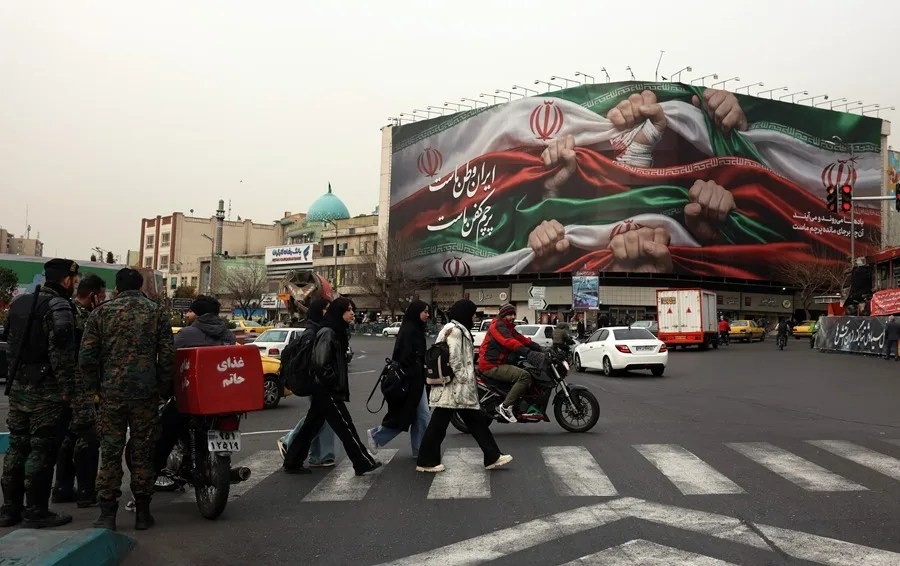
For over two weeks, the people of Iran have faced a sweeping internet blackout imposed by their government—a drastic measure that has severed millions from the global web, throttled businesses, and crushed any remaining flicker of free communication. While Tehran claims to combat unrest by cutting off digital lifelines, the true cost is paid by ordinary Iranians longing to connect, trade, and live freely.
When Government Control Comes at the Expense of Economic Freedom
The Iranian regime’s decision to sever access to the international internet network since January 8th is more than a mere technical disruption—it is an assault on personal liberty and a brutal blow to economic vitality. Iranian entrepreneurs like Barbod are caught in this bind; his once-thriving coffee business lost $1,400 in two weeks due to his inability to use Instagram—a platform critical for reaching customers in today’s digital marketplace.
Barbod’s plight is emblematic of countless small business owners across Iran whose livelihoods depend on connectivity with both local patrons and global markets. The regime’s refusal to restore full internet access demonstrates a callous disregard for these families struggling under economic sanctions and inflation—making it clear that authoritarian grip takes precedence over prosperity.
Repression Masks National Interests—But At What Cost?
The Iranian government attributes its shutdown to combating protests allegedly fueled by foreign adversaries such as the U.S. and Israel. Yet silencing an entire nation only deepens isolation without addressing the root causes undermining stability. Human Rights groups estimate thousands have been killed in crackdowns—a grim reminder that restricting information flows is often a prelude to unchecked violence.
This ongoing censorship also disrupts critical infrastructure like GPS navigation—turning Tehran into a maze for its citizens and hampering everyday life. Such measures reveal how authoritarian regimes prioritize control over their people’s security and welfare.
For America and its allies committed to freedom—and for patriots who understand that national sovereignty means protecting citizens’ rights at home and abroad—these events serve as a warning. If unfettered global communications can be cut overnight there, what prevents similar erosions here if we do not remain vigilant?
The contrast could not be starker when compared with policies championed by leaders who place America First: promoting open markets, safeguarding individual liberties online, and holding oppressive regimes accountable through targeted pressure rather than blunt censorship tools.
How long will Washington let such repression go unchallenged while Iranians suffer? The answer lies in renewed focus on defending digital freedom worldwide—not just as an abstract good but as a core component of national security that protects American values.