
Iran’s Crackdown on Government Critics Exposes Regime’s Growing Desperation
Iranian authorities arrested three government critics and summoned a fourth amid rising unrest, highlighting the regime’s harsh crackdown on dissent and its dangerous impact on regional stability.
In a troubling display of authoritarian overreach, Iranian security forces have detained three outspoken critics of the regime and summoned another, confiscating their electronic devices in a coordinated effort to silence dissent. This recent crackdown is not an isolated incident but part of a broader pattern of repression by Tehran’s theocratic rulers desperate to maintain control amid internal instability.
How Long Will the West Ignore Iran’s Repression?
Journalist Parviz Sedaghat, sociologist Mahsa Asadollahnejad, and translator Shirin Karimi were arrested in separate raids targeting leftist intellectuals who oppose the Islamic Republic’s undemocratic system. Meanwhile, economist Mohammad Maljou was summoned by security officials after publicly challenging Iran’s war posture and calling for an end to the regime’s isolationist policies. His disappearance after willingly appearing reflects the opaque and brutal nature of Iran’s security apparatus.
These arrests come at a time when Iran faces mounting economic collapse, worsened by international sanctions and years of mismanagement under its ruling clerics. Yet instead of addressing economic hardships or allowing space for reform voices advocating for national sovereignty through democratic means, the regime doubles down on repression.
Why Should America Care About Iran’s Internal Turmoil?
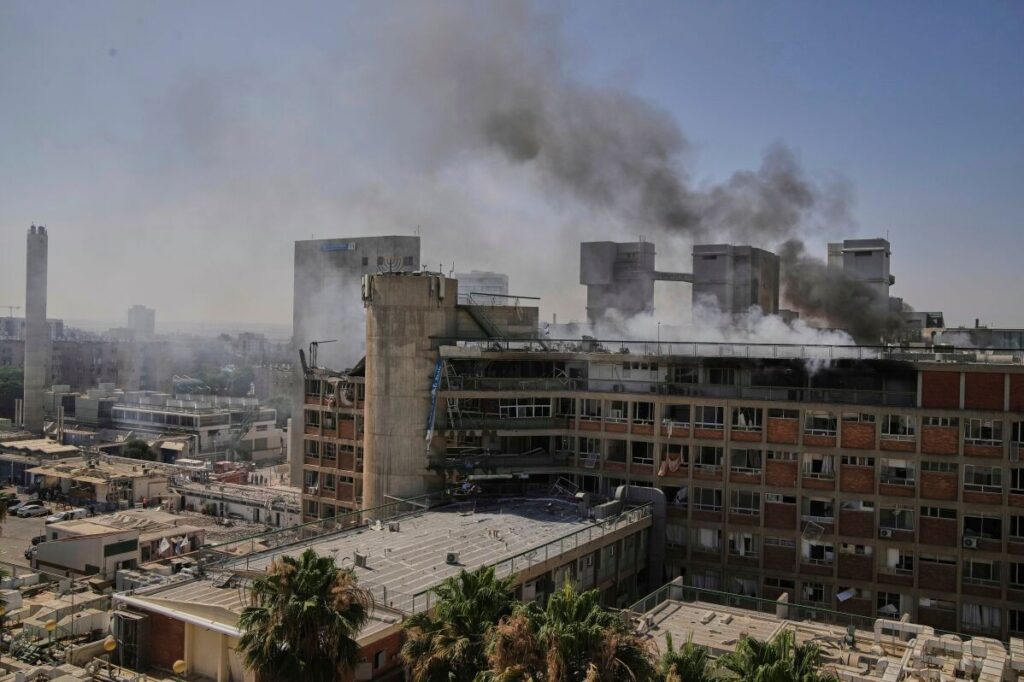
This escalation has direct consequences for American interests and global security. Iran’s aggressive posture led to deadly conflicts earlier this year—including Israel’s 12-day air campaign that struck Iranian targets responsible for nuclear development—and remains a destabilizing force in the Middle East. The U.S. bombing of Iranian nuclear facilities underscores the ever-present risk posed by Tehran’s ambitions.
The clampdown on domestic critics reveals that Iran prioritizes suppressing freedom at home over securing its economy or engaging constructively with neighbors and world powers. For Americans committed to protecting freedom worldwide and preventing further regional chaos from spilling into our borders, exposing Tehran’s tyranny is critical.
How long will Washington tolerate a regime that crushes dissent while fomenting conflict abroad? Accountability demands vigilant scrutiny of Tehran’s actions—not hollow diplomacy that ignores violations of basic human rights and national sovereignty.