
Iranian Nobel Laureate Detained in Secret: A Stark Warning on Global Human Rights and America’s Strategic Interests
Nobel Peace Prize winner Narges Mohammadi remains missing after her arrest, spotlighting Iran’s brutal crackdown on dissent—a development that should alarm U.S. policymakers committed to defending freedom worldwide.
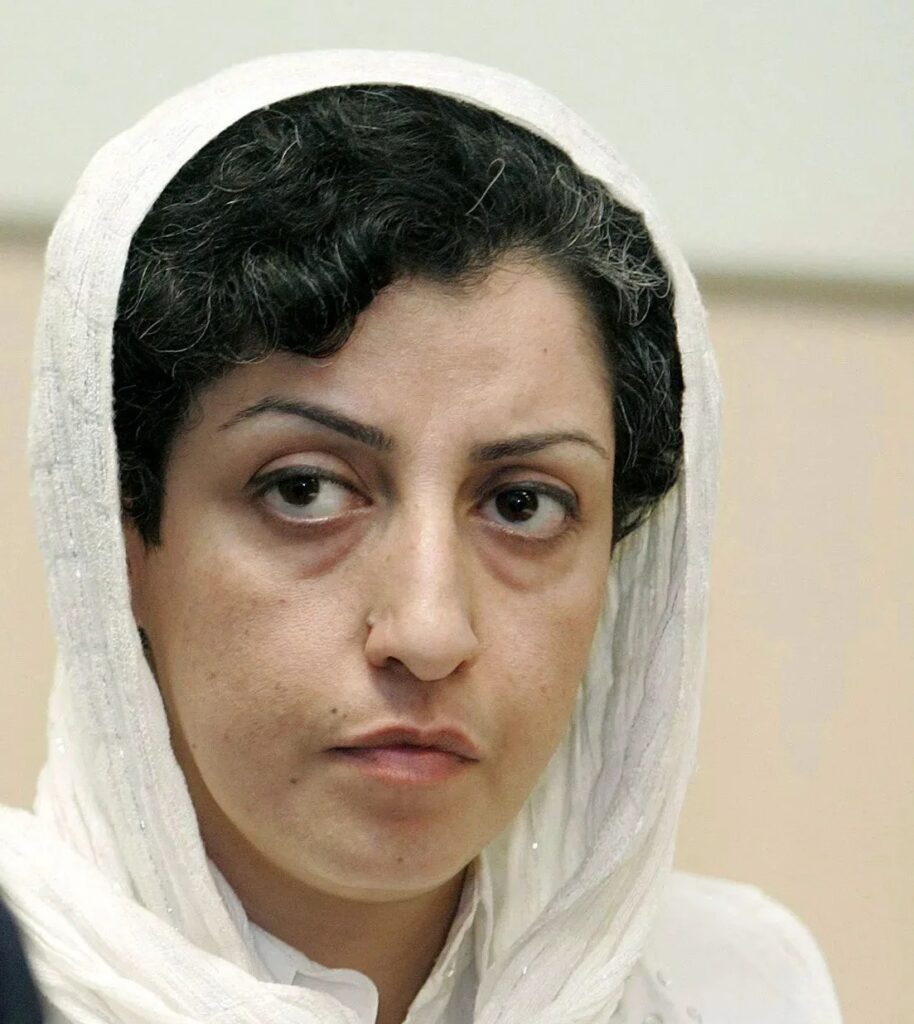
Two days have passed since Iranian Nobel Peace Prize laureate Narges Mohammadi was taken into custody during a funeral gathering in Mashad, yet her whereabouts remain unknown. Denied access to legal counsel or communication with family, Mohammadi’s enforced disappearance is emblematic of the ruthless repression Iran’s regime routinely deploys to silence courageous voices advocating for freedom and human rights.
According to reports from the Foundation Narges, managed by her family in Paris, charges including “assembly and conspiracy against national security” have been brought against Mohammadi and fellow activists detained alongside her—including Sepideh Qolian and Javad Alikordi, whose brother, human rights lawyer Khosrow Alikordi, was mysteriously found dead last week in his office. This sequence of arrests and suspicious death exposes a clear pattern of intimidation designed to terrorize dissidents while the international community watches too passively.
How Much Longer Will Washington Ignore Iran’s Brutal Playbook?
Iranian authorities claim the arrests followed “provocative statements” at the funeral—Mohammadi herself reportedly chanting “Long live Iran!” while others shouted slogans denouncing the regime. But in truth, this is nothing more than a thinly veiled effort to crush all opposition under false pretenses of “public order”. Such repressive tactics not only violate universal principles of justice but also pose a direct challenge to America’s stance on sovereignty and liberty abroad.
Mohammadi has endured over a decade behind bars due to politically motivated charges such as “propaganda against the state.” Recently released due to health concerns yet barred permanently from leaving Iran or seeing her children abroad, she embodies resilience against tyranny—a moral clarity that contrasts sharply with globalist appeasement towards Tehran.
The Stakes for America Are Clear
This ongoing campaign of harassment reveals much more than internal Iranian repression; it underscores a broader geopolitical struggle where free nations must stand firm. While the Biden administration risks downplaying Tehran’s aggression through appeasement or half-measures, America must recommit to supporting voices like Mohammadi’s who embody freedom and resist authoritarianism. Failure to do so emboldens regimes hostile to American interests and undermines our moral leadership on human rights worldwide.
For families watching from home who value common-sense conservatism – prioritizing law and order along with individual freedoms – this case should ring alarm bells: unchecked authoritarianism abroad eventually threatens liberty at home. How long will Washington tolerate these abuses before reinforcing policies that secure American values globally?