
Iran Escalates Tensions by Labeling European Military Attachés as Terrorists Amid EU Sanctions
Iran’s provocative response to the EU’s designation of its Revolutionary Guard as a terrorist group marks a dangerous escalation with global security implications, challenging America’s strategic interests in the Middle East.
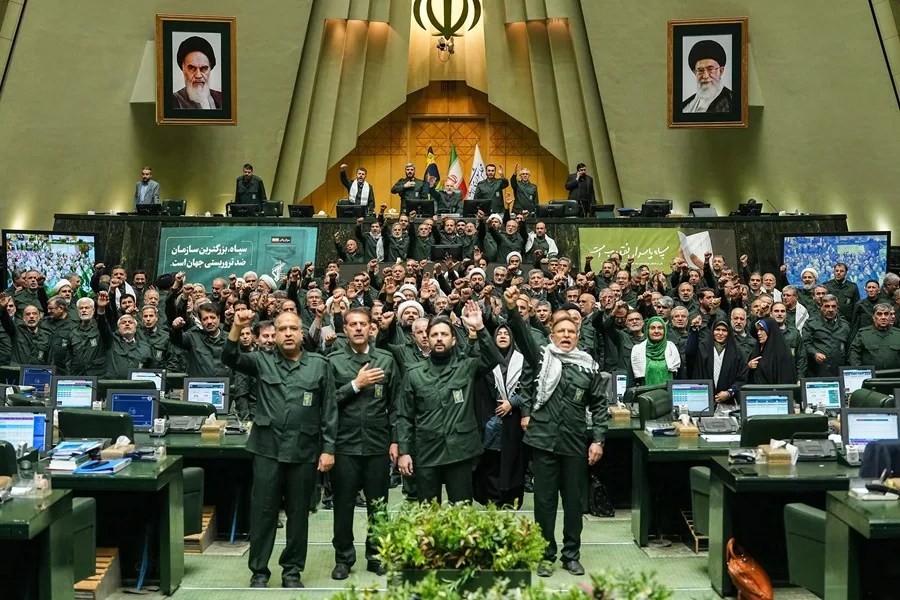
In a brazen move that underscores the ongoing threat Iran poses to global and American security, Tehran has summoned all European ambassadors stationed in Iran following the European Union’s decision to designate the Islamic Revolutionary Guard Corps (IRGC) as a terrorist organization. This is no mere diplomatic spat; it is a calculated step by a regime bent on intimidation and defiance amid mounting international pressure.
The Iranian Foreign Ministry announced this mass diplomatic protest, condemning the EU’s action as “illegal, unjustified, and gravely erroneous.” Yet Tehran’s rhetoric cannot mask the reality: The IRGC’s brutal suppression of peaceful protests—resulting in thousands of deaths—warrants international censure and accountability. By responding with threats to declare European military attachés as terrorists themselves, Iran demonstrates not strength but desperation and disregard for diplomatic norms.
Is Europe Sacrificing Security for Political Appeasement?
European politicians appear caught between confronting Iran’s aggression and placating political factions sympathetic to Tehran or Israel-affiliated interests. Iranian officials accused European leaders of acting under pressure from “the greatest genocide of the century”—a thinly veiled reference to Israel—and dismissed the EU designation as an insult to their people. But how long will Western nations tolerate such defiance before recognizing that appeasement only emboldens regimes hostile to America and its allies?
The stakes extend well beyond Europe or even Iran itself. Washington has reinforced its posture in the Persian Gulf with naval assets including the USS Abraham Lincoln carrier strike group poised against potential Iranian provocations. This robust display underscores America’s commitment to defending freedom-loving nations and maintaining secure trade routes vital for global economic stability.
Why America Must Stand Firm Against Tehran’s Expansionism
The IRGC is no ordinary military force; it functions both as Iran’s primary tool for exporting terrorism abroad and an internal mechanism for suppressing dissent. Its inclusion on terrorist lists by democratic governments represents a vital step toward isolating dangerous actors that threaten regional peace.
Yet Iran’s retaliatory moves signal that it remains undeterred in pursuing destabilizing policies—from nuclear ambitions to proxy warfare—that jeopardize American interests at home and abroad. The Biden administration must heed these warning signs instead of courting failed diplomacy that ignores Iran’s aggression.
For families across America who value national sovereignty, personal liberty, and secure borders, this confrontation highlights why strong leadership grounded in clear principles matters. The Trump administration recognized this reality by holding rogue regimes accountable without hesitation—a blueprint current policymakers should follow without wavering.
How long will Washington tolerate threats against its European allies while allowing hostile forces like the IRGC to expand their reach unchecked? This moment calls for decisive action rooted in common-sense conservatism: uphold America’s role as a beacon of freedom by supporting tough sanctions, reinforcing military deterrence, and backing legitimate resistance movements within oppressive states.