
Inside NASCAR’s Antitrust Showdown: Monopoly, Money, and Michael Jordan’s High-Stakes Fight
With Michael Jordan backing 23XI Racing, NASCAR faces a critical antitrust trial exposing its monopolistic control that threatens competition and the future of stock car racing.
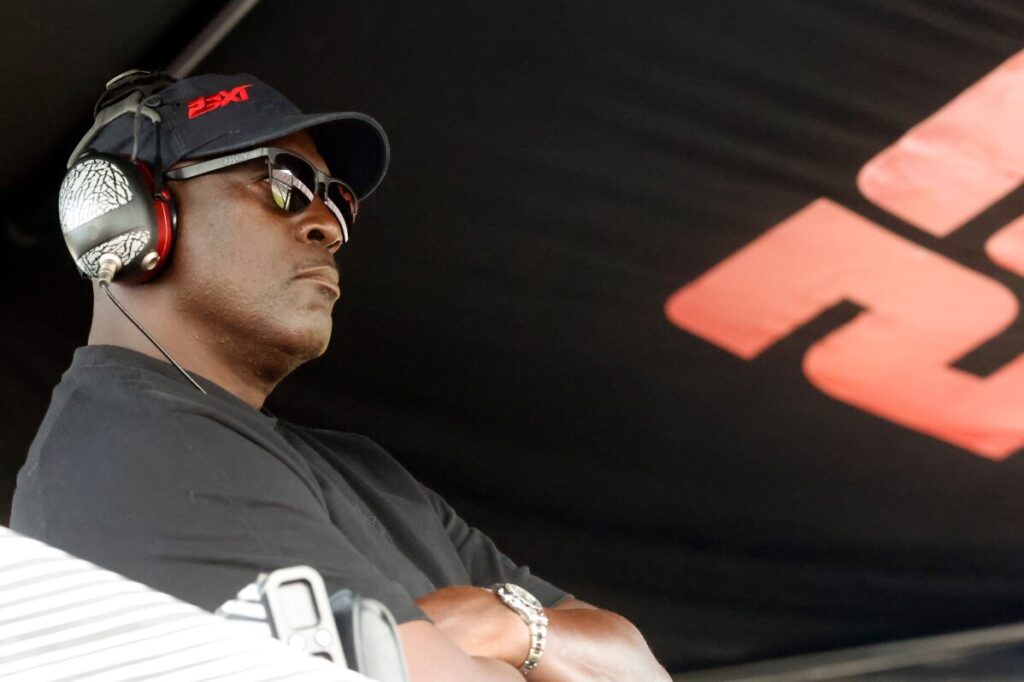
In Charlotte, North Carolina, the antitrust trial against NASCAR has kicked off amid unprecedented drama and high-profile names — including NBA legend Michael Jordan. But make no mistake: this is more than a celebrity courtroom cameo. At stake is whether NASCAR’s tight grip on its teams cripples competition under a business model that resembles a monopoly rather than a fair marketplace.
How Did NASCAR’s Franchise Model Become a Straitjacket for Teams?
The heart of the conflict lies in NASCAR’s charter system, introduced in 2016. These charters act like franchises guaranteeing race spots and revenue shares for teams—but they are renewable and revocable at NASCAR’s discretion. Two outlier teams, 23XI Racing (co-owned by Jordan) and Front Row Motorsports, refused to sign new extensions last fall over demands for more permanent rights, better revenue splits, and governance input—demands largely ignored by NASCAR leadership.
This resistance triggered a lawsuit accusing NASCAR of monopolistic practices: controlling rule-making, owning most tracks on the schedule, limiting team participation with exclusivity clauses, and holding all financial cards. Such control raises serious questions about whether America’s once-great racing institution operates as an open competition or an entrenched cartel squeezing out innovation and freedom.
Why Should American Fans Care About This Trial?
This case isn’t just about dollars; it’s a fight over economic liberty within American sports that hits core America First values of free enterprise and individual opportunity. The possibility that NASCAR could dismantle its current charter system or face forced sale highlights how unchecked monopolies threaten not only competitors but also fans who crave authentic rivalry—not manufactured outcomes favoring entrenched interests.
The discovery phase alone revealed disturbing internal communications among top executives revealing disdain for teams, drivers, and even fans—a stark contrast to the values patriot Americans hold dear. Meanwhile, the tournament’s star players openly express frustration at what they see as systemic bullying rather than partnership.
For taxpayers and consumers alike—who often subsidize these big leagues through infrastructure or tax breaks—the outcome will signal whether corporate gatekeepers remain unchallenged or if independent businesses can finally gain traction in motorsports.
As Judge Kenneth Bell presides over this pivotal trial expected to last weeks, one pressing question remains: Will Washington allow monopolistic forces like NASCAR to dictate terms without challenge? America’s tradition of competitive sport depends on it.