
Inside Maduro’s U.S. Detention: A Closer Look at the Justice System’s Handling of a High-Profile Case
Venezuelan dictator Nicolás Maduro awaits a March court date in New York amid allegations and delays — raising critical questions about the integrity and transparency of U.S. justice when dealing with global anti-American actors.
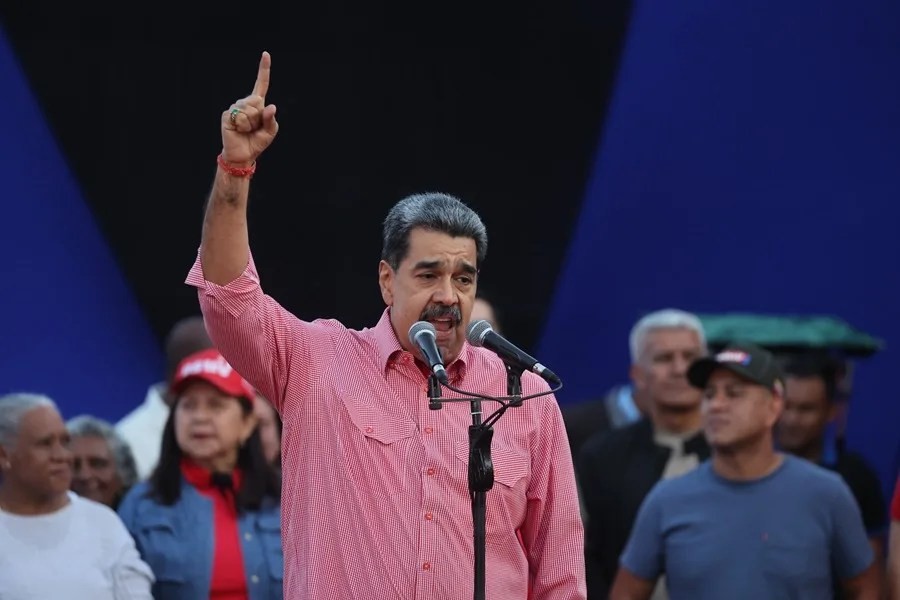
On January 30, Nicolás Maduro, the embattled Venezuelan dictator detained on U.S. soil, received a consular visit from a Venezuelan official while confined in a New York jail ahead of his next hearing scheduled for March 26. This development may seem routine on the surface but invites scrutiny into how America handles one of the most significant corruption and narcotrafficking prosecutions against a hostile foreign regime.
Is Justice Being Served or Delayed to Political Convenience?
The Southern District of New York’s delay in advancing Maduro’s case — with prosecutors requesting an extension to gather evidence and allow defense review — highlights a tension between thorough legal process and the urgency demanded by America’s national security interests. How long should we tolerate procedural slowdowns when the stakes involve a foreign leader accused of drug trafficking and undermining regional stability?
Maduro has branded himself as an innocent “prisoner of war,” denying charges that led to his detention under the Trump administration’s crackdown on global narcotics networks. Yet, this self-portrayal contradicts extensive evidence pointing to his role in facilitating transnational criminal enterprises that have destabilized Venezuela and neighboring countries alike.
By allowing Maduro consular visits while he awaits trial, U.S. authorities comply with international protocols, but must remain vigilant that these interactions do not undermine investigative efforts or grant undue leverage to adversarial regimes aiming to manipulate proceedings for propaganda gains.
Why America Must Prioritize Sovereignty and Rule of Law Over Diplomatic Niceties
The case presents a clear test of America’s commitment to enforcing its laws against corrupt foreign actors who threaten our national sovereignty. Every delay or concession risks signaling weakness to other regimes that flout international norms.
For patriotic Americans demanding accountability, this situation raises critical questions: How rigorously is the Justice Department pursuing evidence? Are political considerations compromising timely action? And ultimately, will American institutions uphold their promise to protect freedom by holding tyrants like Maduro accountable?
This high-profile trial is more than just legal procedure; it’s about defending America’s core principles against forces that seek to erode them under the guise of diplomacy.