
Inside Hamas’ Tunnel Network: How Israeli Soldiers Exposed Terror Hidden Beneath Gaza’s Rubble
Israeli forces reveal the extensive Hamas tunnel complex in Rafah—showing how terror militants exploited resources meant for civilians to wage war, trapping hostages underground. This exposes why American and Israeli security depend on defeating Hamas’ brutal strategy.
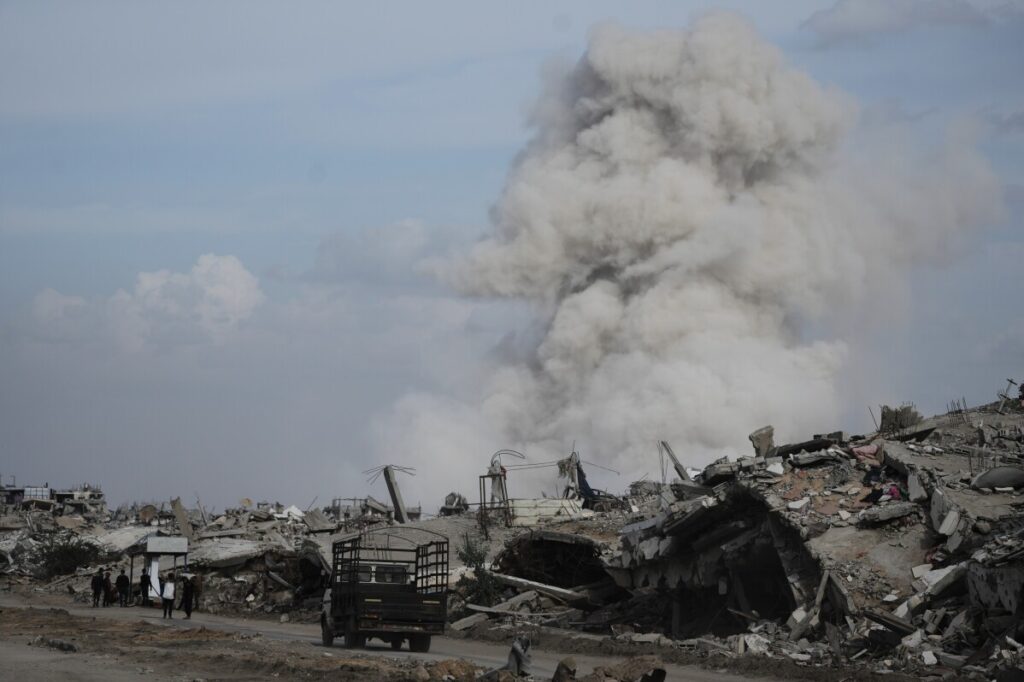
When Israeli soldiers led journalists through a narrow, dark tunnel beneath the shattered remains of Rafah, a grim reality came into sharp focus: Hamas transformed civilian neighborhoods into an underground fortress dedicated solely to terror and hostage holding.
Rafah, once a bustling city at Gaza’s southern tip, now lies in ruins—a stark testament to the high price paid by Palestinians trapped under Hamas’ iron grip. But this devastation isn’t simply collateral damage; it is evidence of a brutal strategy that puts innocent lives at risk while using Gaza as a shield against justified Israeli defense operations.
Why Has Washington Allowed Hamas’ Tunnel Terror to Persist?
For years, millions of dollars and international aid intended for Palestinian welfare were diverted by Hamas commanders to construct an elaborate network more than four miles long, some tunnels plunging 80 feet deep beneath homes, mosques, and even United Nations compounds. These passages were not shelters—they were command centers for planning deadly attacks against Israeli families and hiding kidnapped soldiers like Hadar Goldin.
This isn’t just about buildings or tunnels; it’s about sovereignty and security. Despite U.S.-brokered ceasefires and diplomatic efforts, Hamas continues to exploit ceasefire talks as cover while its militants remain entrenched underground—even after months of conflict. How much longer will global leaders ignore this clear threat?
What Does This Mean for America’s National Security?
Israel’s methodical dismantling of these terror infrastructures safeguards not only its own citizens but also America’s strategic interests. The threat posed by Hamas extends beyond Israel’s borders—it fuels instability that affects regional allies and threatens to empower hostile groups targeting U.S. forces and interests in the Middle East.
The current ceasefire phase hinges on hostage returns—a necessary step—but the real challenge lies ahead: disarming Hamas and fully restoring control over Gaza without compromising Israel’s right to self-defense or allowing another terror base to emerge near America’s closest Middle Eastern ally.
This glimpse into rafters cluttered with cables and hidden weapon caches reminds us that freedom is never free. It must be defended with vigilance against those who manipulate humanitarian crises for militant gain.
As Israelis prepare for critical talks in Washington this month with President Trump and Prime Minister Netanyahu, one question remains clear: Will America stand firm alongside its ally in confronting terrorism unflinchingly or fall prey to misguided calls for premature concessions that endanger both nations?