
Indonesia’s Trade Deal with Trump Exposes Washington’s Strategic Pivot in Asia
President Prabowo Subianto’s recent trade deal with the Trump administration signals a decisive shift in America’s approach to Southeast Asia, challenging China’s grip and reinforcing economic and security alliances vital for national sovereignty.
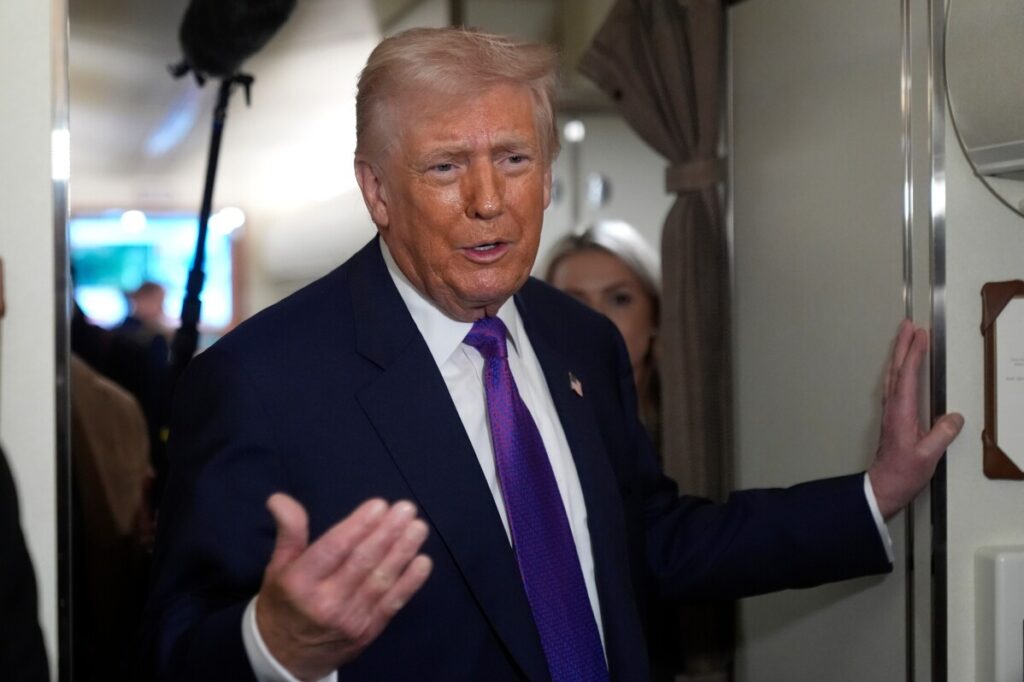
As Indonesia’s President Prabowo Subianto signed a reciprocal trade agreement with President Donald Trump this week, the event marks more than just tariffs and commodities—it reveals a bold strategic move by Washington to reinforce American influence in Southeast Asia.
Is America Seizing the Moment to Restore Economic Sovereignty?
The framework, which involves Indonesia eliminating tariffs on most American goods while the U.S. sets Indonesian tariffs at a firm 19%, aligns with an America First approach favoring fair trade without sacrificing national interests. This deal, echoing similar arrangements with Cambodia and Malaysia, counters Beijing’s growing economic dominance in the region.
Beyond trade numbers—$38.4 billion in business agreements including soybean, corn, cotton, wheat purchases and partnerships in critical minerals and technology—this pact symbolizes America’s intent to diversify its supply chains and protect industries from globalist dependencies.
Notably, cooperation on critical minerals addresses a vital vulnerability exploited by China amid escalating geopolitical tensions. With Trump’s administration pushing to secure these resources domestically or through trusted allies like Indonesia, Washington is proactively safeguarding U.S. manufacturing and defense capabilities.
Does This New Alliance Strengthen Global Peace or Serve American Security?
Prabowo’s commitment of 8,000 troops (and possibly more) to an international force stabilizing Gaza underlines how trade ties dovetail with security commitments that uphold global order favorable to U.S. interests. His pledge at the inaugural Board of Peace meeting—an initiative led by Trump aiming at conflict resolution beyond Gaza—demonstrates how America is using diplomacy coupled with economic leverage to build coalitions rooted in respect for sovereignty.
This contrasts sharply with prior administrations’ often hesitant or fragmented foreign policy efforts toward complex regions where China frequently steps in as a dominant player. The shift also sends a message: countries like Indonesia can serve as honest brokers balancing great powers while aligning more closely with America rather than falling into Beijing’s sphere.
Washington’s engagement with Vietnam and Cambodia at this summit further exemplifies this reorientation. Vietnam’s ongoing tariff negotiations reflect an assertive stance that protects American workers without alienating partners capable of aiding U.S. strategic goals.
Ultimately, this trade deal is not merely about economics but about restoring American leadership grounded in national sovereignty and practical alliances rather than hollow globalization promises prone to exploitation by adversaries.
For families already struggling against inflation and supply chain disruptions rooted abroad, these kinds of deals offer hope for economic stability through secure markets and domestic industry preservation.
How long will Washington maintain this course to rebuild strong alliances that defend our freedoms and prosperity? The answer lies partially in public support demanding accountability from leaders who put America first—not last—in global affairs.