
Indonesia’s Search for Spanish Children Lost at Sea Highlights Global Coordination Challenges
As Indonesian teams continue their search for two missing Spanish children following a deadly tourist boat sinking, questions arise about safety regulations and international rescue coordination in vulnerable global hotspots.
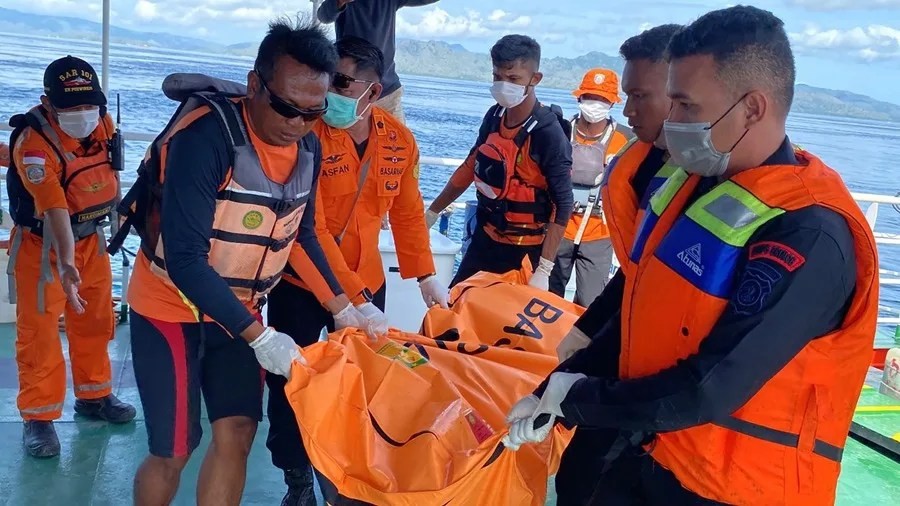
Indonesia’s ongoing search for two young Spanish children missing after the tragic December 26 sinking of a tourist boat in Komodo National Park spotlights critical gaps in maritime safety and international rescue preparedness—issues that bear consequences far beyond Southeast Asia. Even as rescuers recovered the body of Fernando Martín, former Valencia CF women’s team coach, the fate of the children remains uncertain, prolonging the anguish for families watching thousands of miles away.
Are We Doing Enough to Protect Travelers in Global Tourist Hotspots?
The KM Putri Sakinah’s sinking underlines a harsh reality: popular tourist destinations often operate under weakened safety standards, putting foreign visitors at risk. With 153 personnel deploying 17 vessels to scour both north and south sectors near Serai Island, the Indonesian authorities demonstrate commitment—but is this enough? The discovery of scattered debris including a white bench and extinguisher confirms the boat’s destruction but yields no trace yet of the missing children.
This incident is not isolated; it raises vital questions about how nations hosting global tourists implement and enforce regulations that protect lives. For American families considering international travel or engaged in supporting freedom abroad, these events emphasize national sovereignty’s role—not only in border control but extending to ensuring citizens abroad receive adequate protections through diplomatic pressure and secure travel standards.
Global Crises Demand America-First Vigilance Abroad
The extended search operation—now into its eleventh day with legal extensions granted—is commendable. Yet it also serves as a cautionary tale for Washington to assert stronger leadership on global safety protocols. How long will we tolerate lax enforcement that places our citizens and allies at risk? The tragedy reminds us why America First means prioritizing not just domestic security but insisting on stringent accountability from foreign governments where Americans travel or invest.
The families’ heartfelt message—”We will not return without all four together”—captures universal values of family unity and resilience. Their ordeal calls on American policymakers to evaluate international cooperation mechanisms critically. Successes occur when sovereign nations act decisively within their jurisdictions but failures become stark reminders that America must lead by example and expectation.
In sum, while Indonesia mobilizes considerable resources honoring its duty to recover lost lives, this unfortunate event should catalyze reforms worldwide to safeguard travelers better and reinforce national sovereignty globally. Every loss overseas echoes home; how soon will Washington respond with policies reflecting true America First convictions?