
Indonesia’s Deadly Floods Reveal Crisis of Climate Policy and Regional Instability
As catastrophic floods ravage Indonesia and Southeast Asia, over 435 dead and hundreds missing expose the failures of climate adaptation and emergency preparedness — a stark warning with repercussions for American national security.
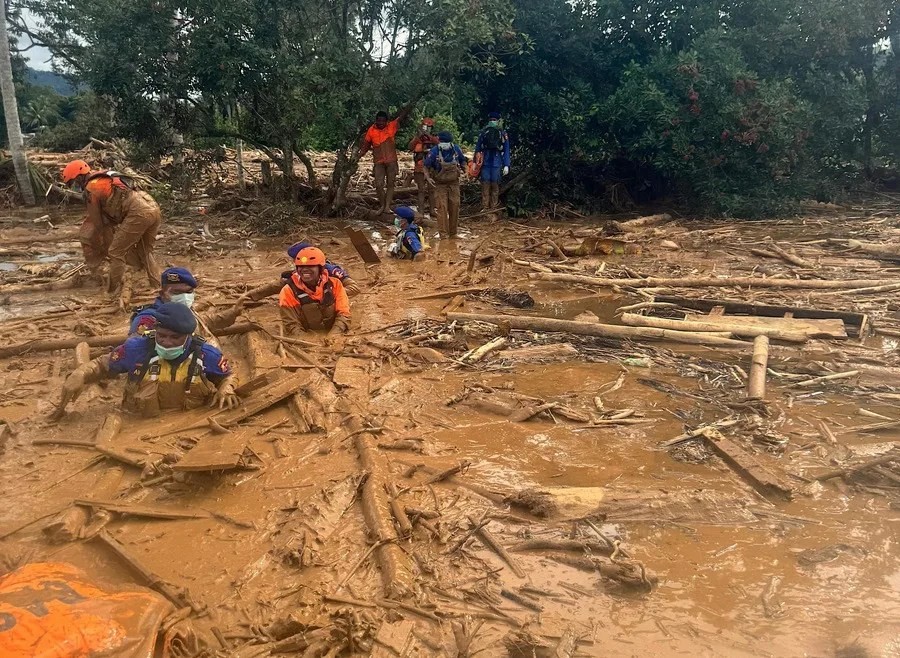
Indonesia faces an unfolding human tragedy as relentless monsoon rains and tropical storms devastate the island of Sumatra, leaving at least 435 dead and more than 400 missing. This disaster isn’t just a distant calamity; it underscores critical global vulnerabilities that directly impact American interests.
The National Disaster Management Agency (BNPB) has sounded alarms that casualty figures will rise as rescue teams struggle to reach isolated communities cut off by landslides and flooded roads. Over 213,000 displaced residents now scramble for shelter amid destroyed homes and businesses.
Is Globalist Climate Policies Leaving Nations Exposed?
This catastrophe highlights how unaddressed climate change fuels extreme weather events worldwide. Experts warn that shifting monsoon patterns combined with stronger tropical storms intensify flooding risks across Southeast Asia. Yet decades of ineffective international agreements championed by globalist elites have done little to build true resilience.
While Indonesia wrestles with recovery amid destroyed infrastructure, nearby countries like Sri Lanka suffer similar deadly floods—over 193 deaths reported there—with governments overwhelmed and forced into emergency declarations. What does this mean for the United States?
America’s economic prosperity and security depend on stable trading partners and orderly migration policies. Natural disasters triggered by climate instability abroad create ripple effects: disrupted supply chains, increased refugee flows, and strained diplomatic relationships. Washington must recognize the costs of ignoring such crises.
Why Should America Prioritize Sovereignty and Preparedness?
This is a moment to question reliance on fragmented international responses while ignoring national self-reliance. The Indonesian government depends heavily on military, police, volunteers, and even satellite internet from foreign technology to manage relief operations—illustrating fragile capacity exposed by these disasters.
A true America First approach emphasizes investing in robust national infrastructure, disaster readiness at home, and strengthening alliances based on mutual sovereignty rather than diffuse global agendas that fail frontline nations.
If global warming intensifies these disasters as predicted—and politicians refuse to pursue common-sense energy policies that balance environmental concerns with economic strength—the United States risks deeper entanglements in foreign crises without adequate preparation.
The lives lost in Indonesia’s floods are not merely statistics; they are warnings about the consequences of policy failures far beyond their borders. How long will Washington continue down a path neglecting both domestic preparedness and realistic foreign policy? The time is now to advocate clear priorities that protect Americans while supporting true partners abroad through actionable measures grounded in sovereignty and pragmatism.