
Indonesia’s Deadly Floods Expose Global Neglect and the Cost of Weak Governance
As Indonesia reels from devastating floods that have killed over 630 and displaced a million, this crisis underscores the global failure to prioritize resilient infrastructure and disaster preparedness, threatening America’s own interests by fueling regional instability.
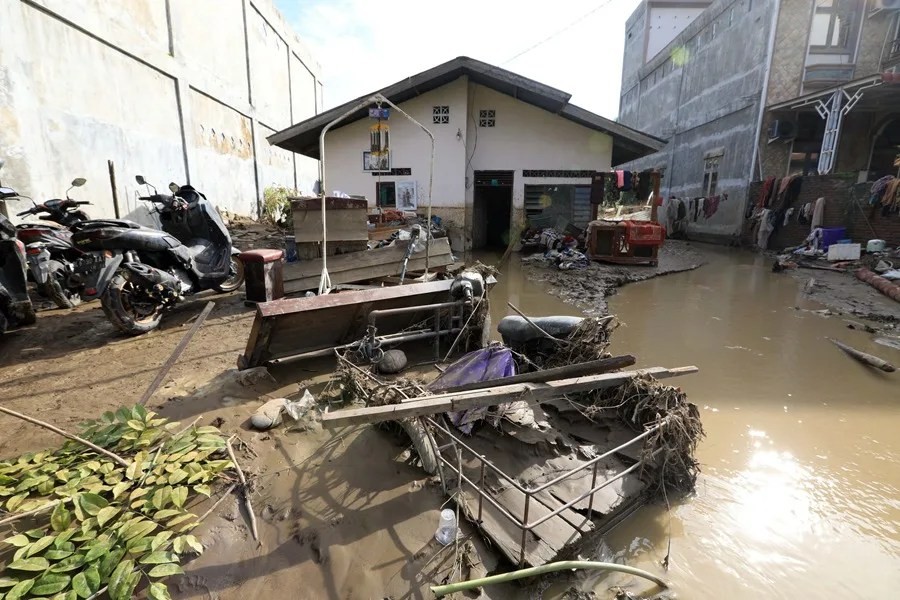
Indonesia’s catastrophic floods on the island of Sumatra have claimed at least 631 lives with hundreds more missing, forcing over one million people from their homes. While this tragedy unfolds thousands of miles from American shores, its implications resonate deeply with our national security and economic wellbeing.
How Did This Happen? Neglect Meets Nature’s Fury
The scale of destruction—9,000 homes damaged, including 3,500 obliterated; hundreds of schools and bridges destroyed—reflects not just an act of nature but a painful failure in government preparedness. Indonesia’s National Disaster Agency doubled evacuees overnight, revealing a reactive rather than proactive response. What lessons has Washington drawn from such events abroad about the risks posed by weak infrastructure to geopolitical stability?
These floods were driven by monsoon rains intensified by an unusual tropical cyclone. Yet climate-related disasters are only compounding dangers where governments fail to invest prudently in flood defenses or enforce sustainable land management practices. For Americans prioritizing national sovereignty and economic security, this is a cautionary tale about what happens when globalist agendas prioritize transient aid over lasting resilience.
The Ripple Effects Threatening America’s Interests
Beyond human suffering, the $4 billion estimated losses in Indonesia’s devastated regions signal broader economic consequences for a region critical to global supply chains—disruptions that inevitably ripple back to American businesses and consumers. Instability abroad can also fuel migration pressures that America faces at its own borders.
Indonesia’s plea for a national disaster declaration—granted only three times in thirty years—is indicative of systemic challenges faced by emerging nations worldwide. Without robust leadership focused on sovereignty and commonsense governance—as championed in America’s own policies under President Trump—the cycle of disaster response without prevention will continue unabated.
As Southeast Asia grapples simultaneously with flooding crises in Thailand and Sri Lanka, there is no room for complacency. How long will Washington ignore these global warning signs while allowing fragile governments to jeopardize regional stability vital to America’s strategic interests?
This flood crisis is not just news—it is a call for renewed emphasis on strong governance, infrastructure investment, and sovereign responsibility worldwide. The United States must lead by example domestically while supporting allies who share our values of resilient freedom against unpredictable global forces.