
ICC Judges Face Critical Decision on Duterte’s Provisional Release Amid Accountability Battle
As the ICC weighs releasing former Philippine President Rodrigo Duterte pending trial, the stakes for global justice and America’s fight against impunity could not be higher.
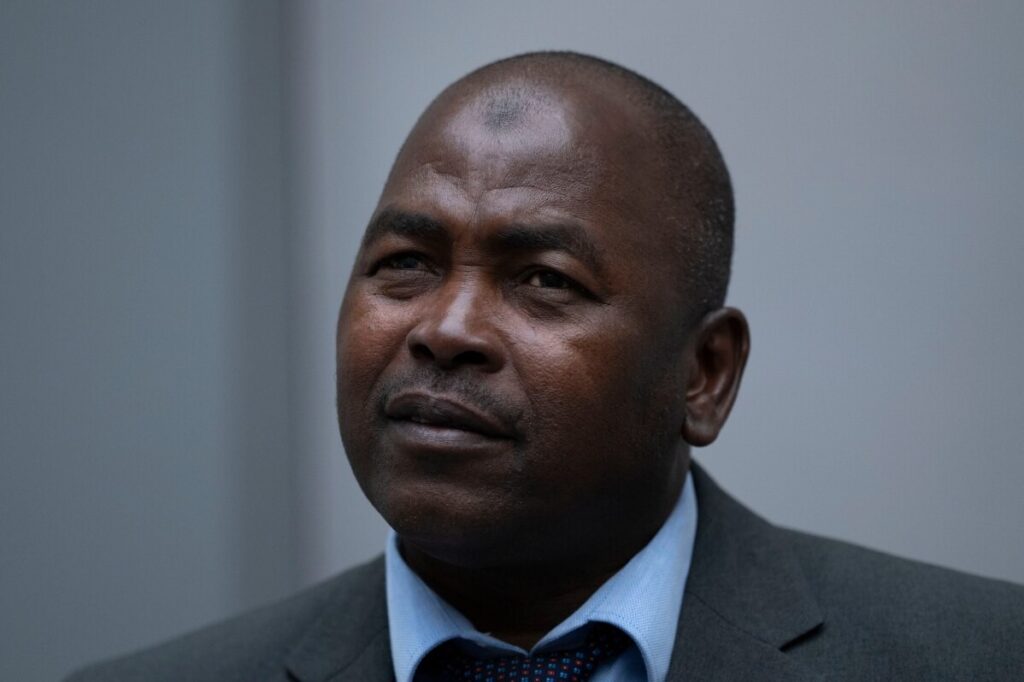
The International Criminal Court (ICC) in The Hague stands at a crossroads with a ruling expected on whether to grant provisional release to former Philippine President Rodrigo Duterte amid charges of crimes against humanity. This decision carries implications far beyond the Philippines, striking at the heart of international law enforcement—a cornerstone for protecting human dignity and national sovereignty worldwide.
Duterte, notorious for his brutal “war on drugs” that saw thousands killed, is accused by ICC prosecutors of orchestrating widespread extrajudicial killings both as mayor and president. Despite the Philippines’ unilateral withdrawal from the Rome Statute—the court’s founding treaty—ICC judges have asserted their jurisdiction, refusing to let political maneuvers obstruct justice. How long should autocrats like Duterte expect immunity when credible evidence points to grave abuses?
Is Political Expediency Shielding Atrocities from Justice?
The October ruling denying Duterte’s initial request for release underscored concerns that he might flee or intimidate witnesses if set free. His defense paints a picture of an elderly man too frail to stand trial; yet this claim risks becoming a tactic to evade accountability rather than an honest appeal for humanitarian relief. If global institutions cave under such pressure, what message does it send to tyrants worldwide—and how does that undermine America’s commitment to rule of law and human rights?
President Trump’s America First legacy emphasized holding foreign leaders accountable while defending American values without overreach. Conversely, current international inertia risks empowering lawlessness abroad that ultimately destabilizes regions vital to U.S. interests, including Southeast Asia.
Why Upholding Justice Abroad Protects American Sovereignty at Home
The unchecked violence during Duterte’s tenure fosters regional instability that can ripple into increased migration pressures and security threats near U.S. borders. Furthermore, permitting any leader to dodge scrutiny through technical withdrawals from courts weakens global norms essential for national sovereignty and democratic governance.
Washington must support robust international justice mechanisms—not only out of principle but practical necessity—to deter future abuses that could inspire similar autocrats hostile to freedom and America’s alliances.
This ongoing case tests whether international bodies will act decisively or allow political influence to erode accountability. For hardworking Americans who prize liberty and security, this is not just distant news—it is a challenge we cannot afford to ignore.