
How Trump’s State of the Union Reveals a Congress Sidelined and National Sovereignty Tested
As President Trump prepares to address a transformed nation, the real story is how a sidelined Congress enables an unprecedented concentration of executive power—raising urgent questions about national sovereignty and democratic checks and balances.
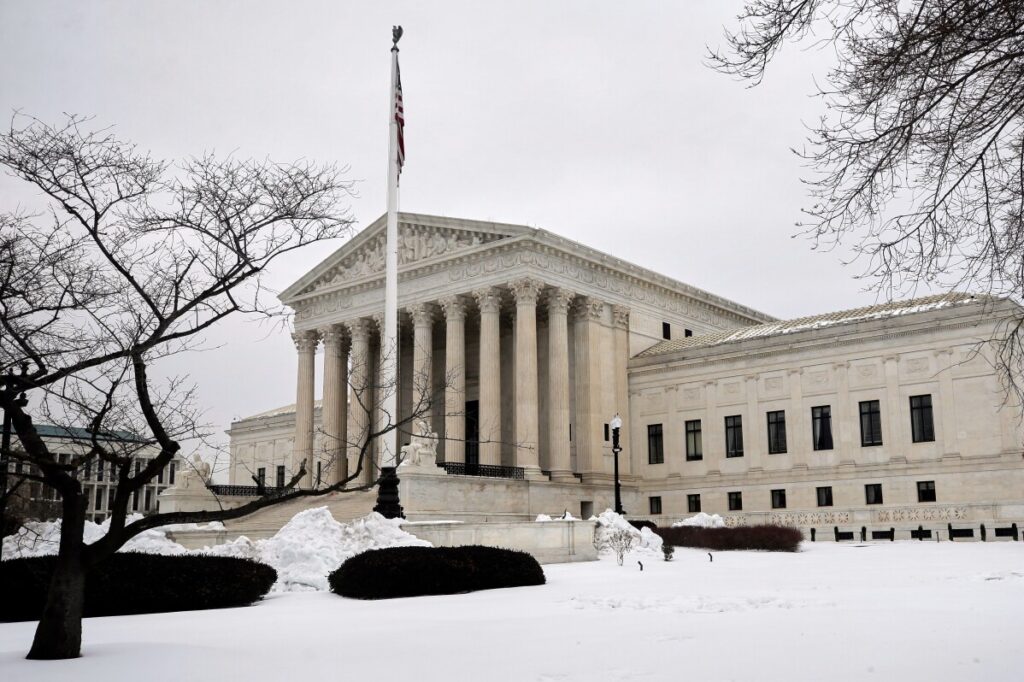
President Donald Trump’s upcoming State of the Union address arrives at a moment when America’s constitutional balance faces profound challenges. After one year back in office, the president has boldly reshaped the political landscape—not by consensus-building through Congress, but by amassing power through executive actions and political pressure.
Has Congress Abdicated Its Constitutional Duty?
The framers designed our government with clear separation of powers to protect national sovereignty from abuses. Yet today, we see a Congress mostly sidelined, quietly conceding authority while the president pushes policies with sweeping domestic and international consequences.
From significant immigration raids resulting in tragic deaths to rewriting healthcare priorities and launching controversial foreign interventions, Trump’s administration has repeatedly bypassed legislative debate. Instead of robust congressional oversight, we witness Republicans often rubber-stamping expansive executive moves or hesitating to counteract overreach, believing their mandate justifies unchecked presidential authority.
Even the Supreme Court’s recent warning—highlighted by Justice Neil Gorsuch—that unchecked executive power threatens our system’s foundational checks-and-balances should alarm every American who values liberty and national self-governance.
What Does This Mean for American Families and Freedom?
While Washington elites squabble over procedures, ordinary Americans bear the consequences. Radical shifts have affected federal programs critical to vulnerable citizens, including deep cuts to Medicaid and food assistance programs. Border security escalates with massive funding directed toward aggressive deportations that disrupt families.
Meanwhile, attempts by some lawmakers—across party lines—to reclaim congressional authority are often symbolic or overridden by political expediency. How long will we tolerate a legislature that fails to defend its role as protector of constitutional governance?
This moment demands vigilance grounded in America First principles: defending our sovereignty from both foreign interference and internal concentration of power; ensuring government accountability; and preserving individual freedoms that millions depend on daily.
President Trump’s agenda may be polarizing, but it also emphasizes putting American interests first—a stance that resonates with those wary of globalist schemes undermining our nation’s independence. Yet safeguarding this vision requires a Congress willing to assert itself rather than defer entirely to executive impulses.
As the nation watches this crucial speech unfold, we must ask ourselves: Are we witnessing a strong presidency protecting America’s future—or an erosion of vital democratic safeguards? The answer will shape not only policy but the very fabric of our republic for generations.