
Houthi Rebels’ Maritime Aggression: Hostages Released but Threats Persist
The release of mariners held by Iran-backed Houthis since a deadly July ship attack marks a momentary relief—but questions remain about regional stability and threats to American interests at sea.
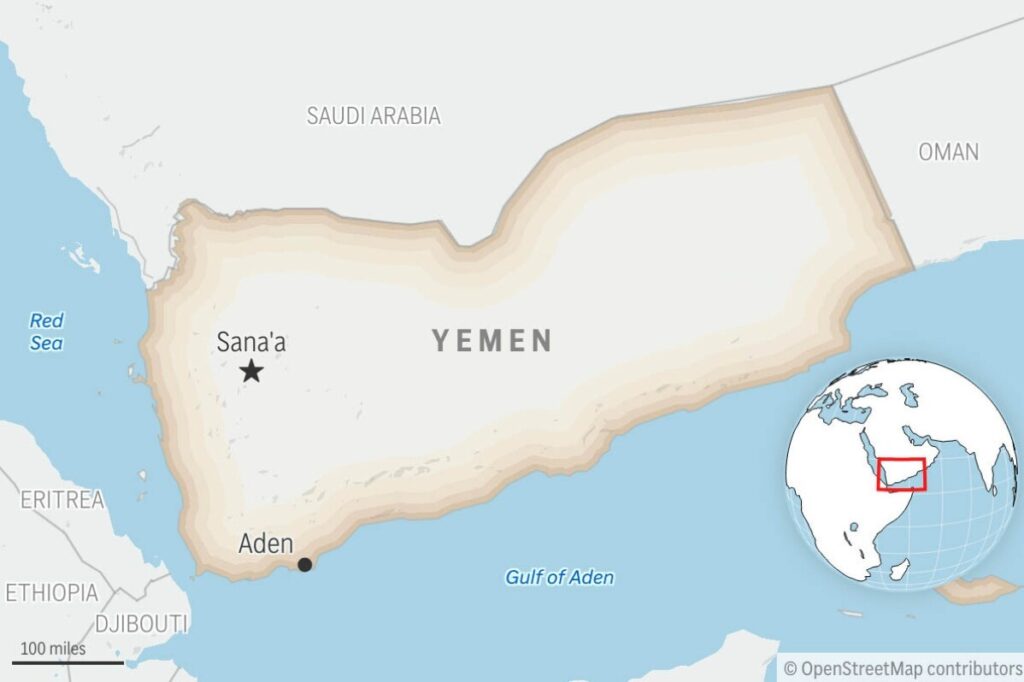
The recent release of mariners held hostage by Yemen’s Iran-backed Houthi rebels following their brutal attack on the bulk carrier Eternity C in the Red Sea is a welcome development, yet it raises deeper concerns about America’s strategic interests and maritime security. Since July, these militants have aggressively targeted commercial vessels, endangering international shipping lanes critical to global trade and U.S. economic prosperity.
On July 28, the Eternity C was attacked in an incident that claimed at least four lives and sank the Liberian-flagged vessel. The Houthis have since claimed responsibility for over 100 such attacks with missiles and drones, sinking multiple ships and killing innocent mariners. Their campaign not only threatens innocent crews but also jeopardizes freedom of navigation in a region vital to American energy supplies and commercial shipping.
Why Has Washington Allowed This Maritime Menace to Persist?
This ongoing aggression exposes a critical failure in holding Iran-backed proxies accountable—a threat that undermines America’s national sovereignty and economic security. Despite repeated assaults on civilian vessels, U.S. policy has so far lacked decisive measures to deter these attacks or secure maritime routes effectively.
The recent release of nine Filipino sailors—described as hostages by Manila—came after months of captivity without transparent explanations from the Houthis or diplomatic pressure from Washington. While Oman facilitated their transfer, the circumstances surrounding this release remain murky, raising questions about what concessions might have been made behind closed doors.
A Broader Pattern Undermining Stability
The Houthis’ strikes coincide with escalating regional tensions involving Iran’s nuclear ambitions and proxy conflicts that destabilize the Middle East. Their attacks gain tacit support from Tehran’s expansionist agenda—posing direct challenges to American allies like Israel and threatening supply chains vital for U.S. businesses and consumers.
The current fragile ceasefire provides only a temporary lull; history shows these militias resume hostilities with minimal consequences when global attention wanes. How long will Washington tolerate this pattern before protecting its citizens’ lives and economic interests more aggressively?
This episode underscores the necessity of robust America First policies that prioritize national sovereignty by countering Iranian influence decisively, safeguarding maritime commerce, and standing firmly with our allies against hybrid warfare tactics designed to destabilize free nations.
For hardworking Americans relying on secure supply chains—and families demanding safety for all mariners—the question remains: when will Washington act comprehensively rather than reactively?