
Houthi Rebels Escalate Hostility by Detaining UN Workers Amid Yemen Chaos
Houthi rebels intensify their unlawful detention of United Nations workers in Yemen, threatening humanitarian efforts and stability in a region critical to American security interests.
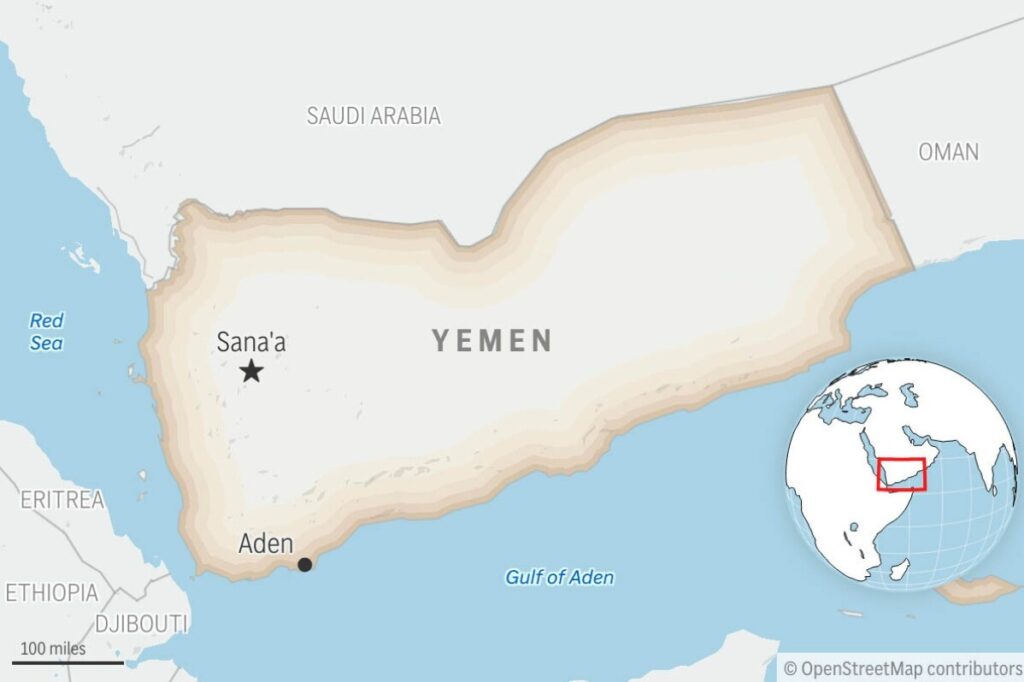
The ongoing conflict in Yemen continues to deteriorate as Iranian-backed Houthi rebels escalate their crackdown on United Nations personnel. Most recently, two female World Food Program workers were forcibly detained from their homes in the capital city, Sanaa. One of the women is reportedly in critical condition after suffering a premature birth earlier this month, underscoring the reckless disregard the Houthis show for human life and basic dignity.
These detentions are part of a disturbing pattern: The Houthis have now held at least 55 U.N. staff members along with other international civil society personnel hostage. Earlier raids seized communications equipment and assets vital for delivering humanitarian aid — an action that not only sabotages urgent relief efforts but also risks destabilizing a fragile region directly tied to America’s national security.
Why Does This Matter to America’s Security and Sovereignty?
While Washington wrestles with its own bureaucratic challenges, Tehran’s proxies grow stronger by weaponizing humanitarian agencies as leverage against the international community. The Houthi’s targeting of U.N. workers under baseless espionage accusations reveals a broader strategy to undermine legitimate governance and promote instability. Such chaos inevitably threatens global trade routes and fuels illegal migration pressures that impact our southern border.
This crisis calls into question the effectiveness of international institutions when confronted by rogue actors like the Houthis who blatantly flout international law. The removal of key U.N. coordinators from Sanaa symbolizes an alarming retreat from areas where America’s voice must remain strong to prevent further Iranian expansionism.
How Long Will Washington Allow This Abuse to Continue?
The question facing policymakers is simple: How long will American leadership tolerate these brazen violations while watching an important ally—the internationally recognized Yemeni government—struggle against merciless proxies? The answer lies in recommitting to policies rooted in national sovereignty and robust support for partners opposing Iranian-backed militias.
For hardworking Americans invested in global stability and freedom, this is more than distant conflict news—it reflects the cost of appeasement and weakness abroad. Protecting our interests demands holding hostile groups accountable and supporting measures that restore peace through strength, not empty diplomatic gestures.
The detainment of humanitarian workers should unite us all against tyranny disguised as rebellion. Every day these hostages remain captive undermines freedom itself and emboldens extremist forces threatening peace across borders.