
Honolulu’s Urban Food Planting: A Promising Shift or a Risky Liability Gamble?
Honolulu breaks tradition, planting edible gardens in public spaces to improve food access—but can city leaders overcome legal hurdles and liability fears to make this sustainable for American families?
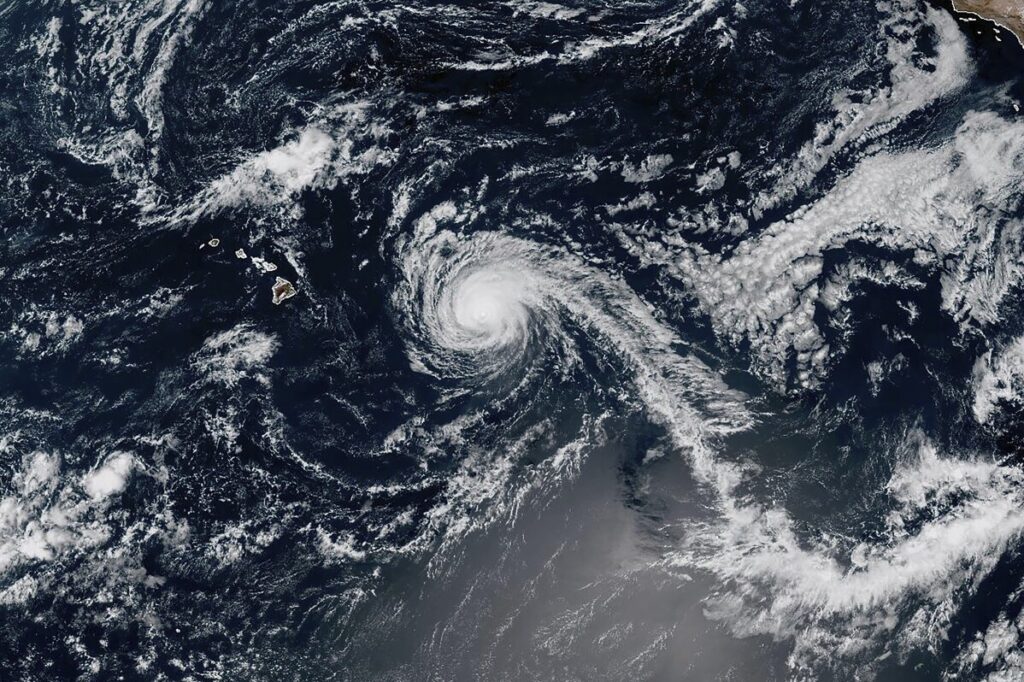
On the surface, Honolulu’s new initiative to plant tomatoes, sweet potatoes, and native Hawaiian plants along transit corridors may seem like a refreshing approach to urban food security. But beneath this green veneer lies a complex tangle of legal concerns and government hesitancy that raises hard questions about accountability and long-term feasibility. Why Has Honolulu Shied Away From Growing Food in Public Spaces? For decades, city officials avoided planting edible crops in parks and public transit areas, citing fears of liability from falling fruit, fruit theft disputes, and safety hazards—concerns that rightfully reflect the need for responsible governance. But now,...
This is Exclusive Content for Subscribers
Join our community of patriots to read the full story and get access to all our exclusive analysis.
View Subscription Plans