
Hong Kong Cuts Official Ties with Japan Amid China-Japan Diplomatic Crisis
As tensions between China and Japan escalate over Taiwan, Hong Kong executes a chilling shutdown of official relations with Japan, canceling educational exchanges and crippling economic cooperation—an alarming sign of Beijing’s tightening grip.
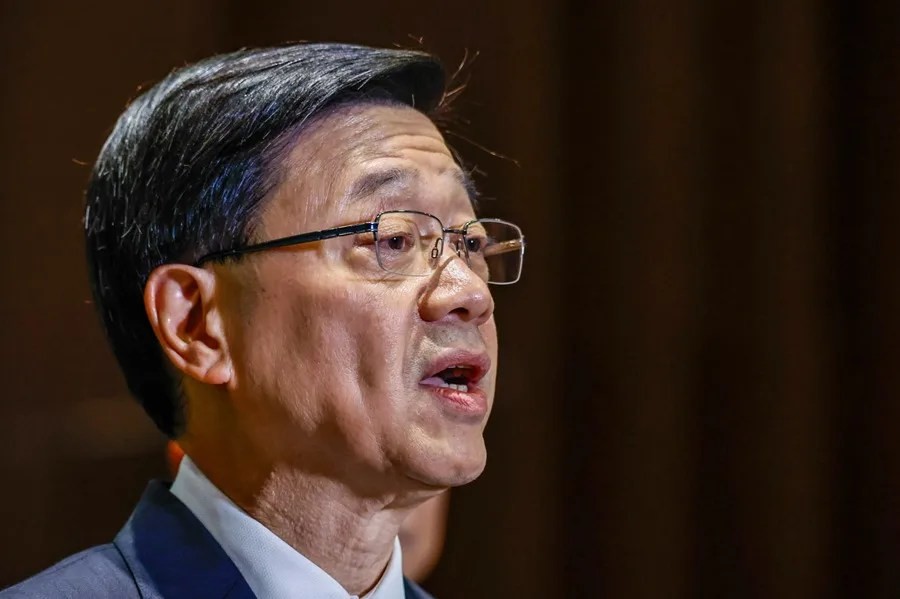
Hong Kong’s abrupt severance of official ties with Japan is more than a regional spat; it signals the growing shadow of Beijing’s authoritarian influence extending beyond its borders. The Special Administrative Region has halted all official contact with the Japanese Consulate General and canceled a student exchange delegation in response to Tokyo’s firm stance on Taiwan security—exposing how Hong Kong’s autonomy is being subordinated to China’s geopolitical ambitions.
Is Hong Kong Losing Its Autonomy in Beijing’s Sino-Japanese Power Play?
The crisis ignited when Japan’s Prime Minister Sanae Takaichi stated on November 7 that Tokyo might resort to force should China attempt to seize or blockade Taiwan. Labeling this as “intolerable interference,” the Chinese government pulled strings to force Hong Kong into retaliatory measures. Within days, planned business forums and high-level economic cooperation meetings involving Japanese officials were canceled by Hong Kong authorities, who barred consular staff from participating.
This move coincides with China’s official warning against unnecessary travel to Japan amid alleged safety concerns for Chinese nationals—a claim that serves as a pretext for escalating political pressure rather than genuine public safety risks. The activation of an amber travel alert across all of Japan—the first since Fukushima in 2011—appears designed to intimidate more than protect.
What Does This Mean for American Interests?
While these developments unfold half a world away, they carry immediate implications for U.S. national security and economic interests. Hong Kong’s compliance under Beijing’s directive erodes its promised autonomy under the “one country, two systems” framework, highlighting China’s disregard for agreements that safeguard freedom and sovereignty—principles America champions globally.
The cancellation of educational programs such as JENESYS denies young leaders valuable international exposure and collaboration opportunities—elements vital for fostering democratic values and countering authoritarian narratives. It also signals China’s willingness to weaponize educational and cultural exchanges in geopolitical conflicts, threatening global educational openness cherished by Americans.
Moreover, economic ties between Hong Kong and Japan face disruption at a critical juncture where stable regional partnerships are essential to counterbalance China’s expansionist ambitions. For American businesses relying on supply chains through Asia-Pacific hubs like Hong Kong, increased instability jeopardizes market access and economic growth.
This episode underscores the urgent need for Washington to reassess its approach toward safeguarding freedoms in key strategic territories exposed to Beijing’s coercion. How long will the U.S. tolerate the erosion of sovereign institutions that underpin regional stability? How will America defend allies and partners standing firm against Chinese aggression?
The lesson is clear: without robust American leadership rooted in America First principles—defending sovereignty, promoting liberty, and protecting fair economic competition—the region risks falling deeper under authoritarian control at great cost to freedom-loving people worldwide.