
Honduras’ Electoral Transparency Under Scrutiny as Vote Counting Drags On
As Honduras halts its preliminary election results system amid a razor-thin presidential race, concerns grow over electoral transparency and stability in a region critical to America’s southern border security.
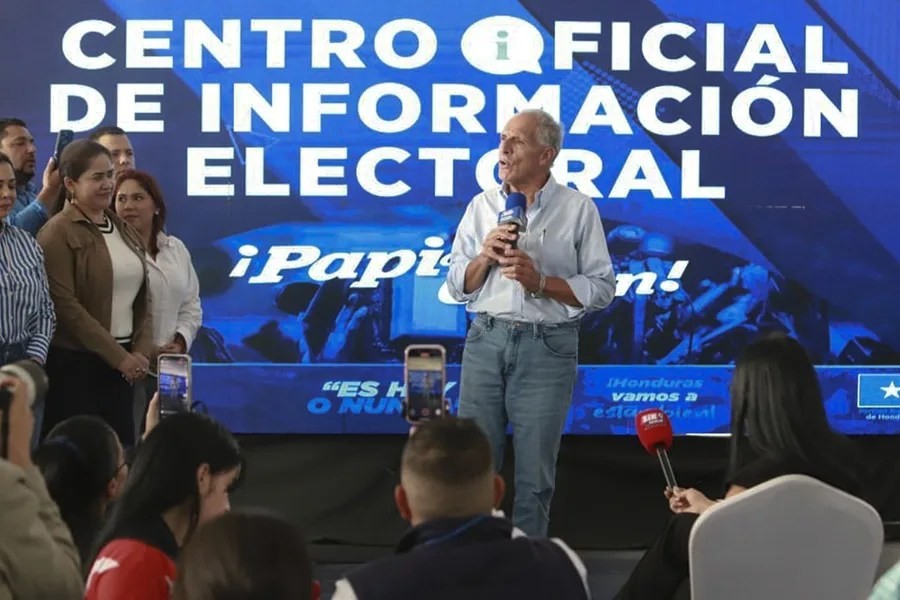
In a nation where the stakes of democracy stretch far beyond borders, Honduras finds itself grappling with escalating doubts over its electoral integrity. The National Electoral Council (CNE) announced the shutdown of the Preliminary Electoral Results Transmission System (TREP) after processing just over half of the ballots, revealing a narrow gap of fewer than 600 votes between leading candidates.
Is Honduras Losing Trust in Its Own Election Process?
The TREP was designed to provide rapid, transparent updates to ease tensions following Sunday’s general elections. Yet, after transmitting only 57% of vote tallies, it abruptly ceased operations — sparking anxiety among citizens who crave clarity and fairness. With presidential contenders Nasry Asfura of the National Party and Salvador Nasralla of the Liberal Party locked in an almost dead heat, skepticism is mounting about how much faith voters can place in a system accused by opposition figures like Rixi Moncada of the Libre Party as “fraudulent” and influenced by private interests.
This uncertainty is more than just political drama; it ripples into U.S. interests. A stable Honduras is essential for stemming illegal migration and combating transnational crime that threaten American sovereignty. When democratic processes falter or appear opaque under globalist pressures or internal corruption, it invites instability along our southern border — a clear national security concern.
Can Patience Safeguard Sovereignty?
CNE President Ana Paola Hall calls for calm and patience as special recounts continue amid contingency protocols. But with a legally allowed window of up to 30 days to finalize results, suspicions fester in public discourse. Trusted analysts warn that even advanced technologies like TREP depend on flawless integration of scanning, human oversight, and encryption — any failure erodes confidence.
This slow counting contrasts sharply with America First principles championed by leaders who emphasize swift justice and accountable governance. Washington must watch closely: when neighboring countries falter at protecting their democratic processes, it directly endangers our economic prosperity and national security.
For hardworking Americans concerned about border security and regional stability, these developments in Honduras serve as a cautionary tale — exposing how fragile democracy can be when globalist-backed systems fail local accountability. How long will complacency allow compromised election mechanisms to undermine sovereignty beyond our borders?