
Holy Land’s Catholic Leader Highlights Christian Role Amid Gaza War, But Can Peace Be Achieved?
As indirect talks begin to end the Gaza conflict, Jerusalem’s Catholic leader urges Christians to serve as neutral mediators—yet longstanding divisions and surging casualties raise questions on whether genuine peace is within reach.
In the heart of Jerusalem’s Old City, a city symbolizing centuries of faith and conflict, Cardinal Pierbattista Pizzaballa issued a solemn call for Christians to become bridges in the fractured landscape of the Gaza war. With Christians now barely 1% of the population in this crucible of competing claims and suffering, Pizzaballa sees their neutrality as a rare asset amid explosive tensions between Israelis and Palestinians.
Is Neutrality Enough in a Region Riven by Deep-Rooted Division?
Cardinal Pizzaballa’s honesty about the challenges ahead is clear: “The wounds are there, very painful. The suffering, the misunderstandings.” His words expose a truth often glossed over in media narratives—while diplomatic talks inch forward under international pressure, long-standing mistrust remains deeply entrenched among communities. How can true reconciliation flourish when society is still grappling with raw grief and ideological divides?
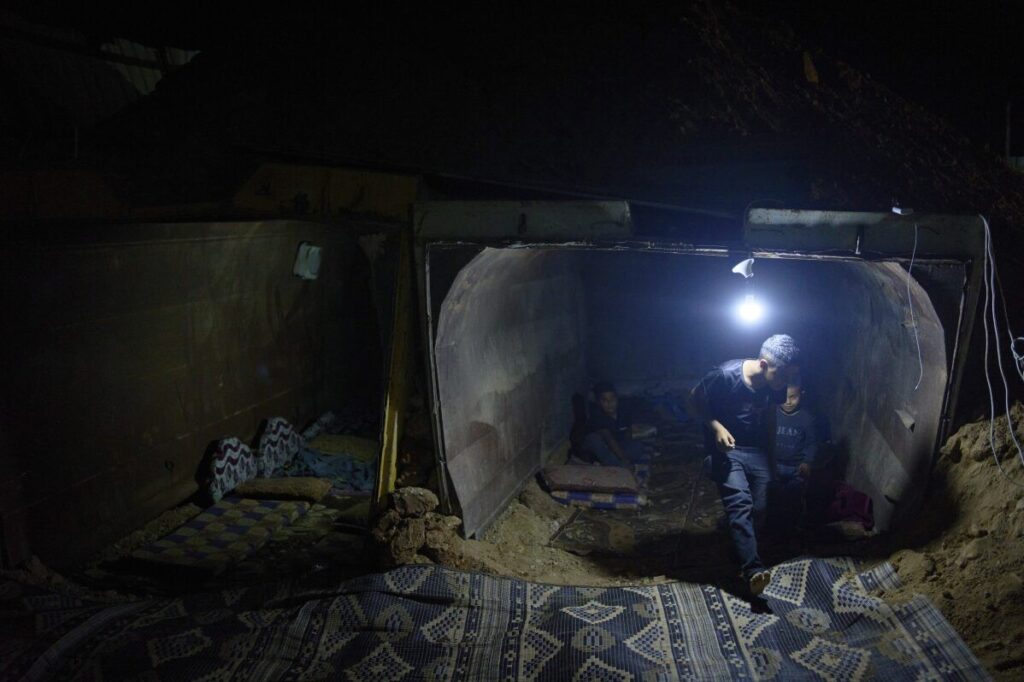
The two-year anniversary of Hamas’s brutal October 7 attack on Israel marks a grim milestone—over 1,200 Israeli civilians killed and hundreds abducted. In retaliation and ongoing conflict, Gaza has seen devastating loss with more than 67,100 Palestinians dead, many women and children according to local health authorities aligned with Hamas. This staggering human toll underscores how far removed current realities are from any peaceful resolution that respects both national sovereignty and human dignity.
International Diplomatic Efforts vs. America First Realities
While indirect talks mediated by Egypt proceed based on a U.S.-drafted plan aiming for ceasefire and hostage release, Washington must ask: Are these efforts safeguarding American interests? Instability at Israel’s border reverberates beyond Middle Eastern shores—feeding chaos at our southern border and emboldening hostile actors targeting U.S. allies.
The Vatican’s recent statements condemn violence against innocent Israelis while pleading for an end to hatred—a balanced approach that echoes America First principles emphasizing security for our allies without sacrificing moral clarity. However, past European-driven proposals have often sidelined Israel’s right to self-defense under globalist pressures.
Pizzaballa also highlights a hopeful but fragile reality: pockets of ordinary citizens from all faiths who refuse contempt and cling to shared humanity—even within besieged Gaza. These grassroots connections may be the foundation for rebuilding trust once political leaders demonstrate commitment to peace grounded in real justice rather than abstract platitudes.
The cardinal stresses that for Jewish people worldwide—and by extension American supporters—the state of Israel is not negotiable but an essential reference point of identity and security. Any meaningful peace process must recognize Israel’s sovereign rights unequivocally.
As patriotic Americans watch this unfolding tragedy from afar, we must demand Washington prioritize clear-eyed strategies that protect our nation’s interests by supporting Israel’s security while encouraging region-wide stability through principled diplomacy—not wishful thinking.