
Holi Festival: Celebrating Colors or Overlooking National Unity?
As Holi gains popularity across American communities, it’s crucial to understand not just its vibrant celebrations but also how embracing cultural festivals fits into America’s commitment to unity and national identity.
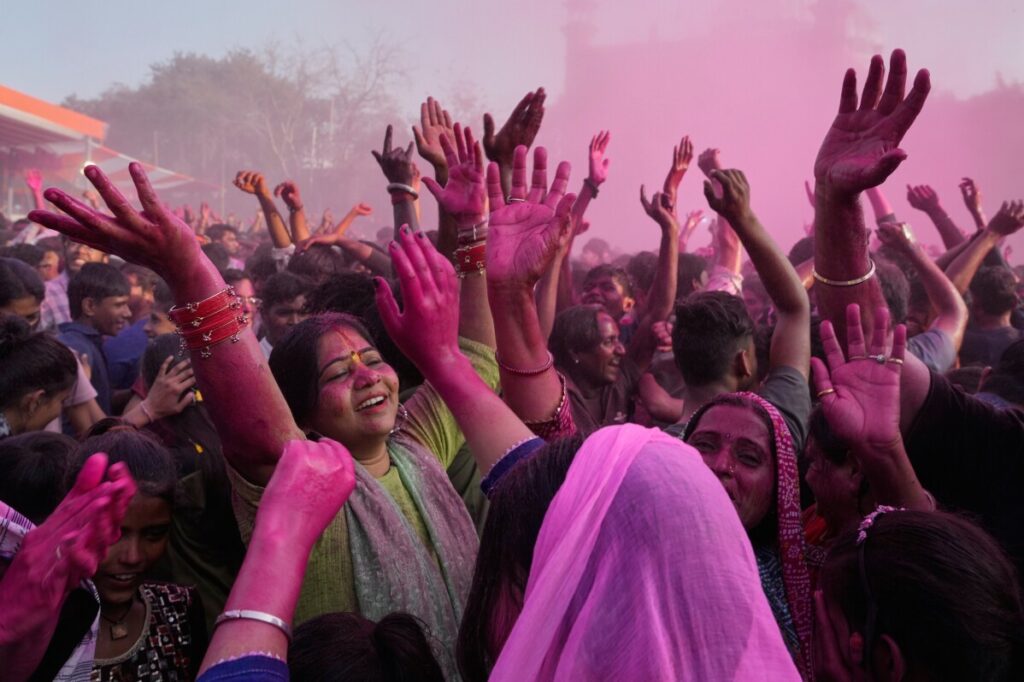
Every spring, the Hindu festival of Holi bursts onto streets with splashes of color, music, and dance—a spectacle many Americans are now witnessing firsthand in communities across the nation. Known traditionally as a celebration of love, rebirth, and the triumph of good over evil, Holi has deep cultural and religious roots in South Asia. But as this festival becomes more visible outside its original context, we must ask whether its growing public embrace aligns with America’s core principles of national cohesion and shared values.
What Lies Beneath the Colors?
Holi’s vivid traditions—throwing colored powders, lighting bonfires symbolizing good’s victory over evil—connect participants to ancient stories rooted in devotion and spiritual renewal. Tales like Prahlad’s unwavering faith protecting him from fire or Lord Shiva’s destruction of earthly lust reveal layers beyond the playful exterior. Yet in celebrating these narratives on American soil, are we fully appreciating their spiritual significance or merely adopting colorful customs without depth?
The festival’s popularity here is tied not only to immigrant communities preserving heritage but also to a multicultural enthusiasm spreading through popular culture—Bollywood films have portrayed Holi’s exuberance for decades. While cultural diversity enriches America’s tapestry, there is a line between respectful appreciation and uncritical adoption that might dilute our nation’s identity founded on shared history and values.
America First: Balancing Cultural Recognition With National Unity
Our country thrives when its diverse peoples contribute uniquely while embracing common bonds rooted in freedom and sovereignty. Celebrating Holi is not inherently at odds with these ideals; however, it invites us to reflect on how such festivals mesh with America First principles.
Do public celebrations focus sufficiently on fostering community ties among all Americans rather than segmenting by ethnic origin? Are we encouraging assimilation through mutual respect or inadvertently promoting cultural enclaves that hinder unified national identity? The real test lies in integrating traditions like Holi without compromising the cohesiveness that safeguards our nation against division.
This scrutiny does not diminish the joy Holi brings nor deny immigrant contributions; instead it calls for vigilance against cultural fragmentation leveraged by globalist agendas undermining sovereignty. Washington often overlooks such nuances while pursuing policies that weaken borders and national pride.
For hardworking Americans facing economic challenges and security threats at home, embracing celebrations must go hand-in-hand with reinforcing principles that keep America strong.
The bottom line: Enjoying Holi’s colors should come with conscious reflection about preserving America’s unique identity amid an increasingly globalized world. How long will our leaders ignore this delicate balance?