
Hijacking of Aid Plane in South Sudan Exposes Security Gaps and Regional Instability
A hijacking incident involving a Christian aid plane in South Sudan reveals dangerous security flaws amid ongoing regional instability, raising serious concerns for international and American interests.
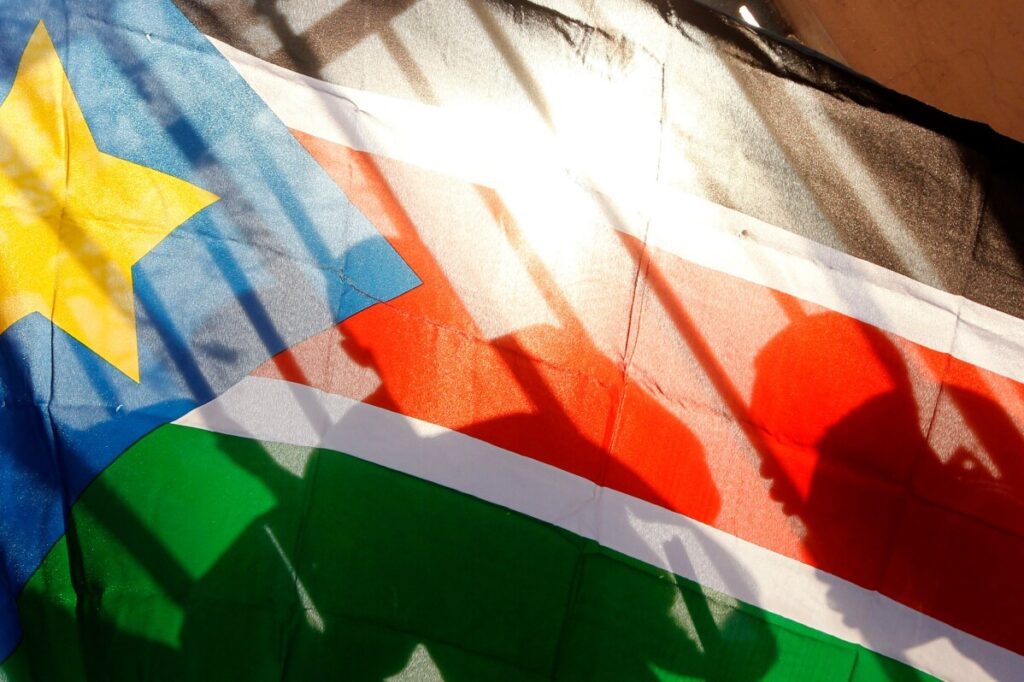
In a troubling episode that underscores the persistent instability in East Africa, a gunman hijacked a small humanitarian aircraft operated by Samaritan’s Purse—a U.S.-based evangelical aid organization—in South Sudan on Tuesday. The hijacker demanded the pilot divert their course to Chad, despite no direct border between the two countries. Fortunately, security forces were able to arrest the suspect after a refueling stop in the northern town of Wau, ensuring no injuries occurred.
Such incidents reveal more than isolated violence; they expose broader failures in regional governance and security protocols that jeopardize vital American humanitarian efforts abroad and weaken U.S. influence in an already volatile neighborhood. How long can Washington afford to overlook these dangers while adversaries and militant groups exploit these vulnerabilities?
Why Are America’s Humanitarian Missions Vulnerable?
The aircraft involved was carrying essential medical supplies to Maiwut County, an area severely impacted by conflict where Samaritan’s Purse plays a critical role delivering healthcare services. The hijacker’s identity as Yasir Mohammed Yusuf from the oil-rich Abyei Administrative Area—a contested zone between South Sudan and Sudan—adds another layer of complexity, linking this event to ongoing territorial disputes with significant geopolitical implications.
That this individual could sneak aboard undetected and commandeer the plane raises urgent questions about security screening at Juba International Airport, where commercial interests often overshadow robust safety measures. This failure not only jeopardizes aid missions but also endangers the lives of American personnel supporting freedom and stability through humanitarian work.
America First Requires Stronger Engagement Abroad
This incident is yet another stark reminder that America’s national security extends beyond its borders. Instability thousands of miles away can ripple back home through migration pressures, terrorist safe havens, and disrupted supply chains. The Trump administration’s focus on securing borders and reinforcing international partnerships showed that protecting American interests abroad counters threats proactively rather than reactively.
This hijacking should galvanize renewed commitment to strengthening security cooperation with trusted allies across Africa to protect both American citizens and our values embedded in foreign aid missions. It is time Congress demands accountability—not just from foreign governments but also from international organizations enabled by taxpayer funding—to ensure that freedom-loving NGOs can operate without fear of hostile takeovers or bureaucratic neglect.
While Samaritan’s Purse’s gratitude toward local law enforcement for swift action is commendable, we must ask: Are current measures sufficient? For families back home who support these missions as extensions of American compassion and leadership, anything less than rigorous protection is unacceptable.
If we believe in safeguarding liberty globally—and ultimately at home—we must hold officials accountable for lapses enabling such threats. The world watches when America steps up; let us not falter now.