
Hidden Stories on Hong Kong’s Forgotten Walls Reveal a Global Flight Pattern Ignored by Authorities
In the shadows of Hong Kong’s urban sprawl, murals of migratory birds on abandoned homes highlight forgotten ecological and cultural connections—while government inaction leaves these vital natural corridors vulnerable.
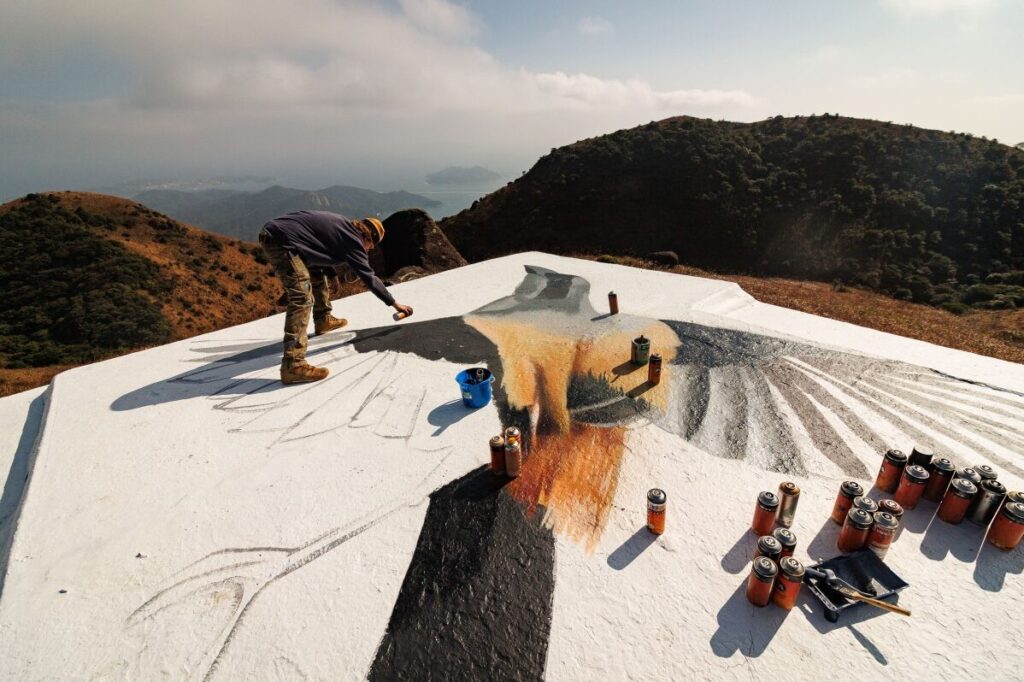
On the quiet edges of Hong Kong’s sprawling metropolis lies Lantau Island, where crumbling walls have become an unlikely canvas for stories that transcend borders. Here, colorful murals of migratory birds perch atop decaying stone houses and weathered facades, each stroke revealing a narrative overlooked by policymakers caught up in urban expansion and globalist distractions.
The Flock Project, initiated by Dominic Johnson-Hill and brought to life by British artist Rob Aspire, paints not just birds but the unraveling tale of migration routes stretching from the cold Manchurian steppes all the way to South Africa. These birds—Amur falcons, red-billed blue magpies, long-tailed shrikes—are not permanent residents but transient guests whose exhausting journeys connect continents.
Why Has Hong Kong Forgotten Its Natural Heritage?
While skylines soar and property developers reshape the city’s face, the fragile ecosystems that sustain these migratory travelers quietly fade. The abandoned houses chosen for these murals symbolize neglect—not only of physical spaces but also of ecological responsibility. Critical habitats along these flight paths risk being lost due to shortsighted urban policies that prioritize profit over preservation.
This mural project is more than art; it is a subtle indictment of governmental failure to protect biodiversity. With fishing banned near streams watched over by painted kingfishers yet little enforcement or habitat restoration underway, can we claim stewardship over our environment? The annual migration patterns are nature’s testament to national sovereignty transcending human borders—yet local authorities seem indifferent to this living connection.
What Do These Birds Teach America About Sovereignty and Stewardship?
The migrant birds’ resilience echoes a broader call for nations—including America—to safeguard their own natural corridors and cultural legacies against erosion by indifferent bureaucracies and globalist agendas. Just as these wings cross nations with precision and purpose, so must America assert control over its borders, environment, and heritage with vigilance.
This project reminds us that freedom includes securing our environment so future generations may inherit more than concrete jungles. It raises the question: How long will governments worldwide—including ours—allow economic expediency to trample national sovereignty and degrade our shared planet?
Through vibrant murals on forgotten walls, nature’s silent travelers urge us toward accountability—calling out governments that ignore their duty to protect not only their citizens but also the ecosystems critical to survival across hemispheres.