
Haiti’s Rising Sexual Violence Crisis: A Stark Warning for America’s Border Security Concerns
Since 2021, sexual and gender-based violence in Haiti has surged alarmingly, tripling cases treated by aid groups amid lawlessness fueled by armed gangs—highlighting the urgent need for coordinated action to stabilize the region and protect American interests.
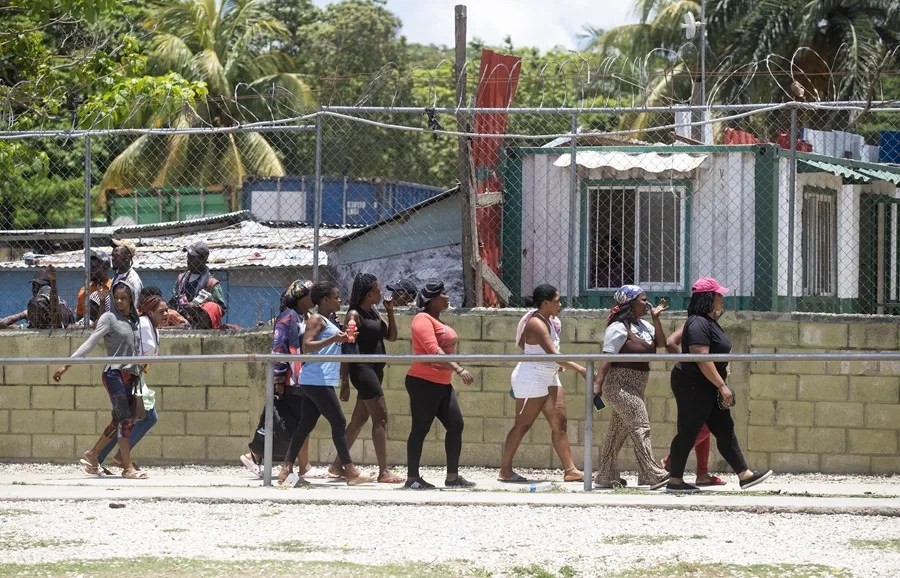
Since 2021, Haiti has witnessed a disturbing surge in sexual and gender-based violence (SGBV), with cases tripling at clinics operated by humanitarian organizations such as Médecins Sans Frontières (MSF). The stark reality is clear: violence is being systematically weaponized against vulnerable populations—primarily women and girls—to terrorize communities amid a backdrop of rampant lawlessness.
MSF’s clinic Pran Men’m in Port-au-Prince has become a frontline witness to this crisis. Established in 2015, the clinic has seen patient numbers skyrocket from an average of 95 SGBV survivors per month in 2021 to over 250 monthly by early 2025. Nearly all victims are female, many subjected to brutal group attacks perpetrated by armed gangs who operate with near impunity.
Why Does This Matter to America?
The chaos that fuels this epidemic of violence doesn’t exist in isolation—it directly undermines regional stability and impacts U.S. national security interests. Haiti’s descent into lawlessness creates a dangerous vacuum exploited not only by local militias but also transnational criminal networks that threaten our borders through increased migration and illicit trafficking.
How long will Washington tolerate instability on America’s doorstep? The Haitian government, fractured and overwhelmed, is failing its citizens and creating fertile ground for further deterioration. The lack of security enables these atrocities to persist unchecked while global institutions provide insufficient support. Meanwhile, families south of the border suffer from the ripple effects of this disorder.
Accountability Is Long Overdue
MSF reports that since 2022, over half of the survivors treated were assaulted during violent raids by armed groups—some attacked simultaneously by ten or more assailants. Horrifyingly, almost one in five patients experienced repeated assaults. Limited access to timely medical care exacerbates physical and psychological trauma; most survivors arrive too late to prevent HIV transmission or unwanted pregnancies due to delays caused by insecurity, stigma fears, and economic hardship.
This situation cries out for decisive action rooted in America First principles. We must demand accountability from both Haitian leadership and international bodies falling short in delivering meaningful aid or enforcing security measures. President Trump’s approach toward strengthening border enforcement while advocating for sovereignty offers a blueprint: prioritize secure borders and restore order abroad as essential components of national safety.
The testimony shared by survivors—women brutally assaulted alongside their families—underscores the human cost paid when governments abdicate responsibility. For Americans who value freedom and safety, ignoring crises like Haiti’s invites spillover threats that jeopardize our own communities.
The time has come for Washington to stop treating Haiti as a distant tragedy and instead recognize it as an urgent matter intertwined with our own national wellbeing. Stronger cooperation among U.S. agencies, Haitian authorities willing to reclaim their sovereignty, and responsible international partners is non-negotiable if we wish to curb this wave of violence before it surges even closer to home.