
Haiti’s Political Turmoil Deepens as Transitional Government Sabotages Stability
The decision by Haiti’s Transitional Presidential Council to oust the prime minister amid rampant gang violence worsens chaos, risking regional security and highlighting failure of globalist-backed governance.
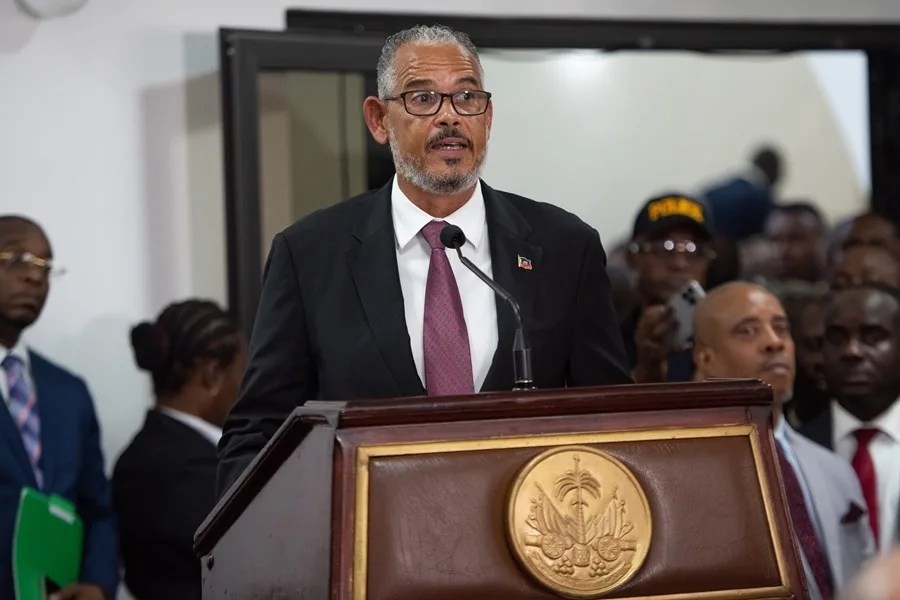
In a stark reminder that weak governance breeds chaos, Haiti faces another destabilizing blow as five of seven voting members of the Transitional Presidential Council (CPT) move to remove Prime Minister Alix Didier Fils-Aimé. This reckless power struggle emerges despite firm warnings from the United States and international partners that such political games threaten the fragile progress against violent criminal gangs terrorizing the Caribbean nation.
The CPT was established in April 2024 with promises to restore order after the assassination of President Jovenel Moïse plunged Haiti into turmoil. Yet instead of steady leadership focused on national sovereignty and security, internal factionalism has undermined every effort. The latest gambit to dismiss Fils-Aimé—himself sworn in last November amid accusations against his predecessor—only deepens uncertainty in a country where over 8,100 murders were recorded just last year.
Why Destabilizing Haiti Hurts America’s Security
Haiti’s ongoing lawlessness spills beyond its borders, directly threatening American interests. The sprawling control of armed gangs in areas like Port-au-Prince fuels migration flows that stress border security and create avenues for transnational crime. How long can Washington ignore that instability in this neighboring state contributes to the humanitarian and security challenges at home?
Moreover, international actors pushing ill-fated governance models have failed to prioritize Haitian sovereignty or enforce accountability among corrupt elites who exploit gang violence for political gain. The CPT’s decision disregards calls for responsible stewardship from key allies including the U.S., European Union, and France—all urging Haitian leaders to preserve security gains rather than gamble with their fragile state.
Fighting Crime Requires Clear Leadership, Not Political Maneuvering
Prime Minister Fils-Aimé has emphasized essential goals: protecting citizens’ safety, securing infrastructure, ensuring food availability, and maintaining free movement nationwide—objectives yet unmet due to rampant gang dominance fueled by political infighting. Replacing him days before this transitional government expires risks undoing crucial efforts against expansion of violent groups like “Vivre Ensemble” under Jimmy Chérizier, known as ‘Barbecue.’
This scenario underscores a vital lesson: without genuine commitment to national sovereignty and clear channels of authority aligned with American interests in regional stability, Haiti remains vulnerable to lawlessness that undermines democracy and freedom.
The clock ticks toward elections planned for 2026—a timeline jeopardized by deteriorating conditions and absence of secure funding. For hardworking Americans concerned about immigration pressures and drug trafficking linked to Caribbean chaos, empowering stable governance in Haiti is not optional—it is imperative.
How long will Washington tolerate foreign-backed corruption sabotaging our hemisphere’s stability? The answer must be more decisive support for principled leadership prioritizing people over politics.