
Haiti’s Collapse Demands America’s Vigilance as Armed Gangs Reign
A deadly gang assault in Haiti’s Pont-Sondé leaves nearly 20 dead and homes torched, exposing a failed government unable to protect its people—raising urgent concerns for U.S. national security.
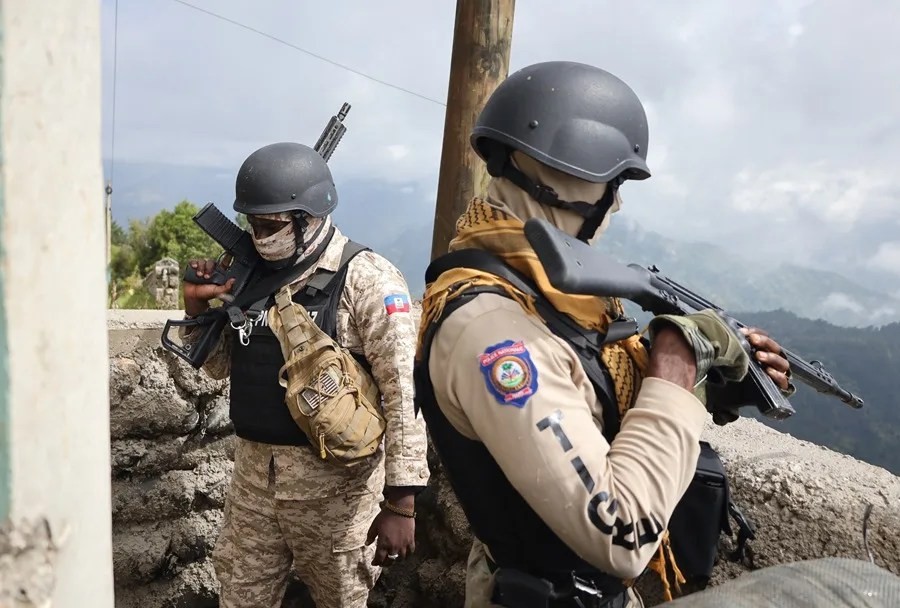
In yet another grim chapter of Haiti’s ongoing descent into lawlessness, nearly 20 people were brutally killed and close to 500 homes set ablaze by the notorious ‘Gran Grif’ gang in the town of Pont-Sondé. This violence, unfolding between November 29 and 30, forced families to flee and shut down schools—a stark reminder that the Haitian state has abdicated its fundamental responsibility of protecting its citizens.
How Long Will Washington Ignore Haiti’s Security Breakdown?
For years, the United States has watched from afar as Haiti became a breeding ground for armed militias whose unchecked power threatens regional stability. Over 16,000 lives lost since early 2022 alone reveal a catastrophic failure of governance down south. Yet official responses remain tepid at best.
The recent massacre in Pont-Sondé demonstrates more than just local chaos—it underscores a direct threat to American national interests. Instability in Haiti fuels mass migration waves toward our southern border and creates fertile ground for transnational crime networks operating with impunity. The question remains: How long can we afford complacency while this crisis festers next door?
When Lawlessness Reigns, National Sovereignty Suffers
The failure of Haiti’s government to act decisively against these gangs is not merely negligence; it amounts to a relinquishment of sovereignty that emboldens violent factions to dictate life or death for ordinary citizens. Entire communities are terrorized under their thumb, with rights guaranteed by international law rendered meaningless amid rampant impunity.
Le Collectif Défenseurs Plus highlights this tragic reality: the state’s silence effectively abandons Haitians to their fate. For hardworking Americans who cherish principles of freedom and security, watching neighboring nations fall victim to anarchic forces should ring alarm bells about the consequences of weak borders and unaddressed instability.
This crisis also starkly contrasts with America First leadership that prioritizes secure borders, lawful immigration, and support for stable nations aligned with U.S. values. The lack of effective intervention in Haiti shines a light on failures we must learn from—both abroad and at home.
If Washington truly aims to protect American families, safeguarding our hemisphere requires proactive engagement—supporting initiatives that restore order in Haiti rather than allowing chaos to spill over unchecked.
The time for distraction is past; the time for action is now. Without it, every burned home and lost life across Haiti echoes back as a challenge at our doorstep.