
Greenland’s Military Buildup: A Troubling New Normal Amid Global Power Struggles
As Greenland embraces an expanded military presence under Danish and allied forces, the island stands at a crossroads of sovereignty and strategic competition—raising urgent questions for American security interests.
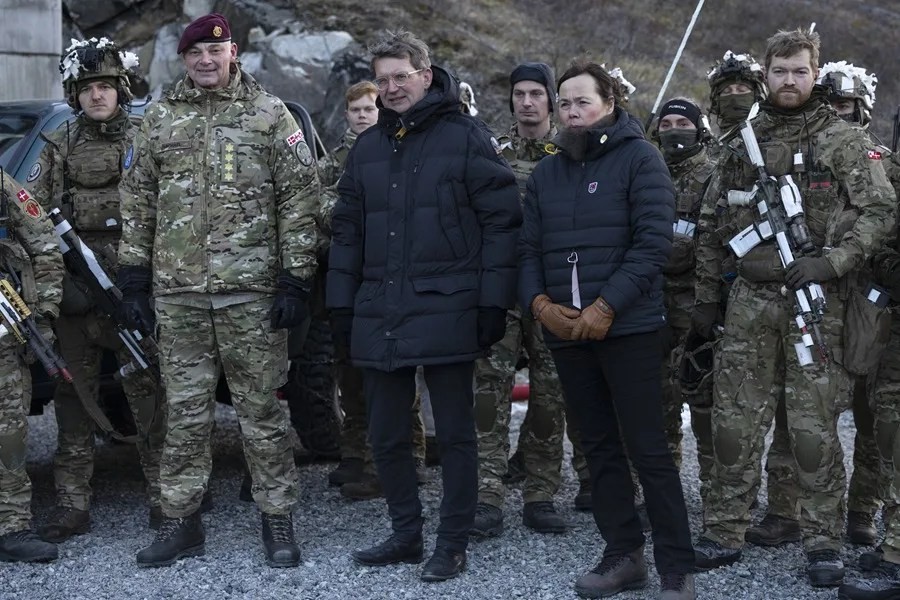
In a striking development that signals a shift in Arctic geopolitics, Greenland’s Foreign Minister Vivian Motzfeldt has declared that a persistent military presence is now the “new normal” for the island. Visiting Danish troops stationed to protect critical infrastructure like the Buksefjord hydroelectric plant, she underscored the importance of reassuring Greenlanders amid growing international tensions.
This announcement comes directly amidst U.S. efforts to assert influence over this resource-rich territory, which threatens to unsettle regional stability. While some may feel uneasy about foreign troops on their soil, Motzfeldt emphasized dialogue with citizens as key to managing concerns. But make no mistake: this normalization of military forces is not just about defense—it reflects a deeper contest for control where national sovereignty hangs in the balance.
Are We Watching Sovereignty Erode Before Our Eyes?
The presence of Danish soldiers—and calls by officials like Denmark’s Defense Minister Troels Lund Poulsen for increased NATO ally involvement—betrays an unsettling trend of external powers reshaping Greenland’s fate without its full consent. The decision to boost training programs for young Greenlanders in basic Arctic military skills suggests preparation for enduring security challenges but also cements foreign influence under the guise of protection.
For American national interests, this evolving dynamic cannot be ignored. The Arctic holds immense strategic value—from untapped natural resources to shipping routes opening due to melting ice caps—and any shift in control affects U.S. access and security margins. Past America First policies emphasized respecting sovereign territories while securing our own borders; yet here we see allied deployments eroding local autonomy under international pressure.
What Does This Mean for America’s Arctic Strategy?
While Denmark consolidates its footprint with Greenland, America must critically assess whether its engagement protects or compromises freedom and self-determination in this crucial region. The reported deal involving Air Greenland cooperation with Danish military reconnaissance and rescue operations further entwines civilian infrastructure with strategic defense agendas—a potential gateway for expanded foreign influence near our northern approaches.
The question looms: How long will Washington stand by as globalist maneuvers reshape an area vital to continental defense? Ensuring true sovereignty requires more than symbolic presence; it demands clear commitments aligned with American principles—freedom from undue foreign control and secure borders safeguarding families and industries alike.
As these shifts unfold, patriot readers should consider what steadfast national leadership looks like in practice—not just promises but decisive actions preserving our nation’s rightful place as guardian of hemispheric security.