
Graffiti’s Rise in West Africa: Cultural Expression or Government Messaging?
As graffiti gains ground in West Africa, its embrace by authorities raises questions about free expression versus state influence—what does this mean for true cultural freedom?
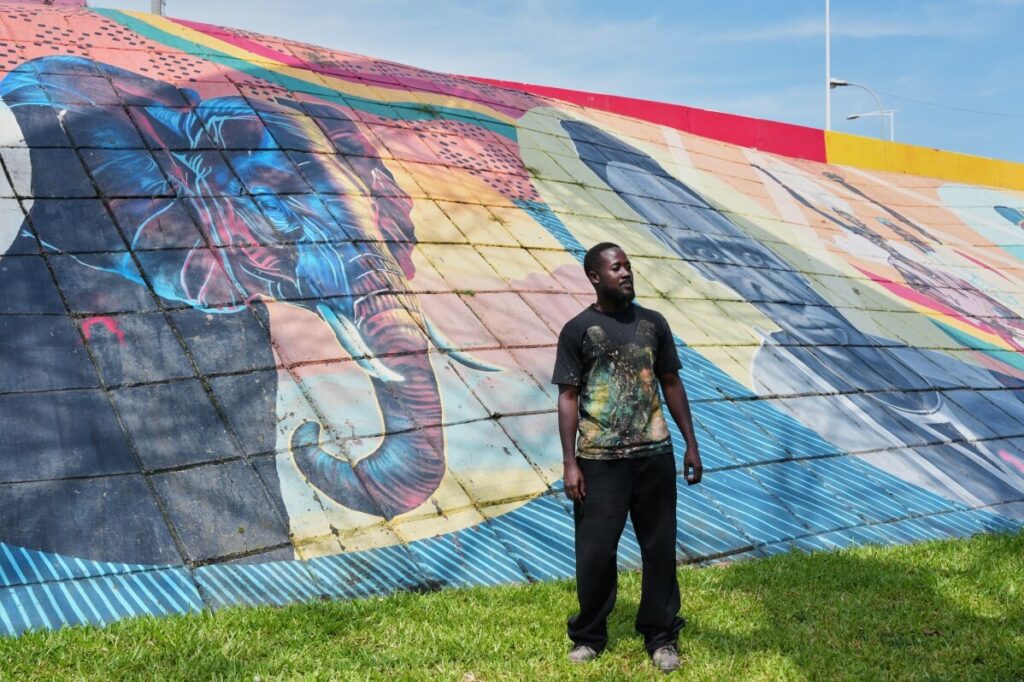
In Conakry, Guinea’s capital, street artist Omar Diaw, known as “Chimere,” paints massive murals that have become fixtures on crowded urban walls. While these works depict celebrated musicians and independence heroes, they also carry a strategic political weight under the watchful eye of Guinea’s military government.
Is Graffiti Becoming a Tool of State Control?
Once dismissed as mere vandalism, graffiti has blossomed into a public art form across West Africa. Its origins trace back to Dakar in 1988 when pioneering artist Amadou Lamine Ngom began painting murals tied to public campaigns. This evolution reflects a broader effort to embed local values and historic narratives into urban spaces.
Yet in Guinea today, the line between artistic expression and government messaging blurs uncomfortably. Diaw’s murals of Gen. Mamadi Doumbouya—the leader who seized power via a 2021 coup—stand prominently with official blessing. The governor reportedly grants Diaw free rein over city walls, signaling state endorsement.
This dynamic prompts critical questions about national sovereignty and civil liberties. Is this public art truly representative of grassroots voices? Or is it a subtle extension of regime propaganda designed to normalize military rule? American citizens familiar with the importance of free speech should be vigilant about how art can be co-opted by power structures masquerading as cultural progress.
The Broader Implications for America’s Interests
The acceptance of politically charged graffiti under authoritarian regimes abroad echoes risks closer to home. When governments control narrative spaces—be they walls or media—they diminish individual liberty and democratic accountability. For the United States championing freedom worldwide, observing these trends underscores the importance of steadfastly defending expression rights at home while recognizing potential threats posed by foreign instability linked to unchecked power grabs.
Furthermore, the rapid urbanization fueling this West African graffiti scene parallels challenges our own cities face regarding public space and community voice amid globalization pressures. Does endorsing state-sanctioned street art promote genuine cultural identity or risk masking corruption behind colorful facades?
For hardworking Americans valuing sovereignty and liberty, stories like Omar Diaw’s are cautionary tales rather than celebratory ones. They remind us why maintaining independent civil society institutions matters—whether on distant continents or our own streets—and why America First principles demand constant scrutiny of how culture intersects with power.