
Governor Walz’s Abrupt Exit Spotlights Democratic Vulnerabilities and Leadership Failures
Minnesota Governor Tim Walz’s decision to quit his reelection campaign reveals deep flaws in Democratic leadership, with failed governance and unchecked federal overreach threatening state sovereignty and conservative values.
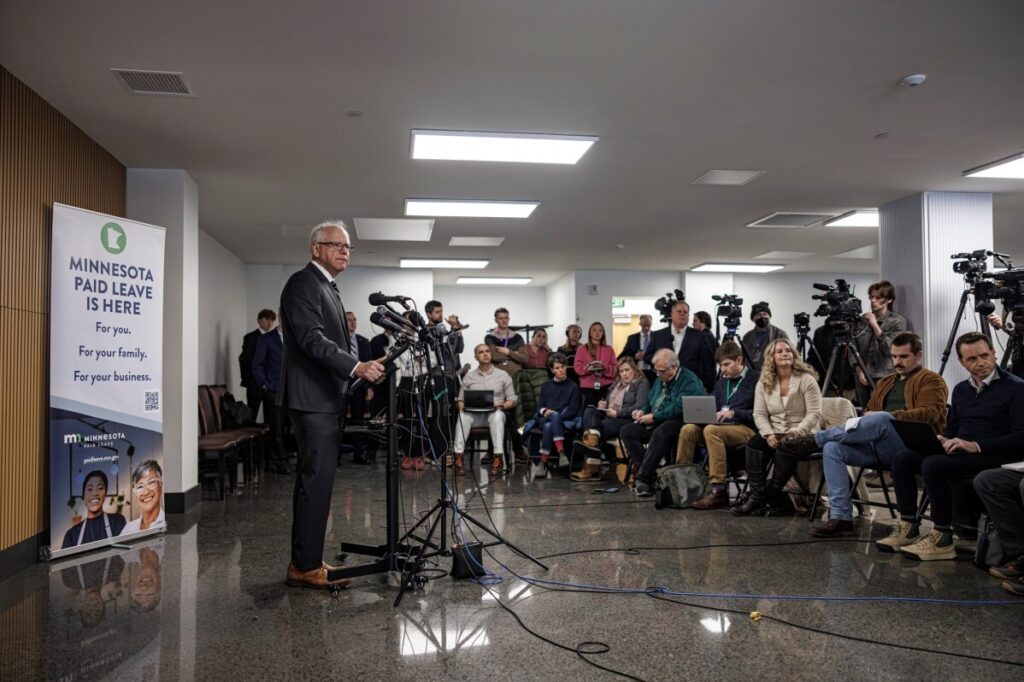
In an unexpected turn that should serve as a wake-up call to voters nationwide, Minnesota Governor Tim Walz announced he will not seek a third term. Once touted as a rising star with national ambitions, including a brief flirtation with the vice presidency, Walz’s political future now appears clouded by controversy and faltering public confidence.
At a recent press conference, Walz lightheartedly suggested returning to his roots as a geography teacher. Yet behind the humor lies a sobering reality: his tenure has been marked by significant failures that hurt Minnesotans’ trust in government competence. From massive fraud scandals in state programs under his watch to an inability to protect citizens from rampant federal encroachment, Walz’s record raises serious questions about leadership priorities.
Is This the Price of Ignoring State Sovereignty?
Walz’s admission that he expects the next year to be “the most challenging”—involving efforts to counteract what he calls the Trump administration’s targeting of Minnesota—underscores a troubling trend. Federal surges of officers into states under Republican-led governments represent an assault on local control and constitutional boundaries. Instead of standing firm for Minnesota’s sovereignty, Walz positions himself as fighting against legitimate law enforcement measures aimed at restoring order.
This dynamic begs the question: who truly serves Minnesotans’ interests? When governors focus more on opposing federal policies than addressing internal mismanagement or securing their citizens’ safety, it is hardworking families who suffer the consequences.
Progressive Policies Over Practical Solutions
Walz’s legislative wins—paid family leave programs, unrestricted abortion laws, expanded gender-affirming care for minors, recreational marijuana legalization—reflect a left-wing agenda embraced wholesale during Democrats’ brief control of the Minnesota legislature. While these initiatives may appeal to certain factions, they come at great cost to individual liberty and economic freedom.
More importantly, these policies have not quelled rising concerns over crime, education quality, or fiscal responsibility in Minnesota. Instead, they expose how out-of-touch political elites prioritize ideology over tangible results that benefit everyday Americans.
The failure of such liberal experiments only fuels skepticism about Democrat governance nationally and strengthens calls for America First leaders who put national sovereignty and practical common-sense solutions first.
Political analysts now concede what many Minnesotans already suspect: Walz’s withdrawal signals the likely end of his elected career. Unlike America First conservatives who build lasting legacies by defending our values and communities, Walz’s legacy is marred by vulnerability and diminished credibility.
His potential pivot toward unelected roles or foundations does little to inspire confidence in Democrat leadership or address pressing national challenges looming beyond state borders.
As we watch this political chapter close in Minnesota, Americans everywhere must ask themselves: How long will Washington ignore these patterns of ineffective leadership? How long before accountability returns? For families already battling inflationary pressures and security threats at home and abroad, leaders like Walz represent precisely what America cannot afford.