
Germany’s Mushroom Hunting Revival Masks Deeper Cultural Shifts and Economic Strains
As mushroom hunting resurges in Germany fueled by veganism and health fads, closer scrutiny reveals a reflection of broader economic unease and cultural shifts that Washington ignores at America’s peril.
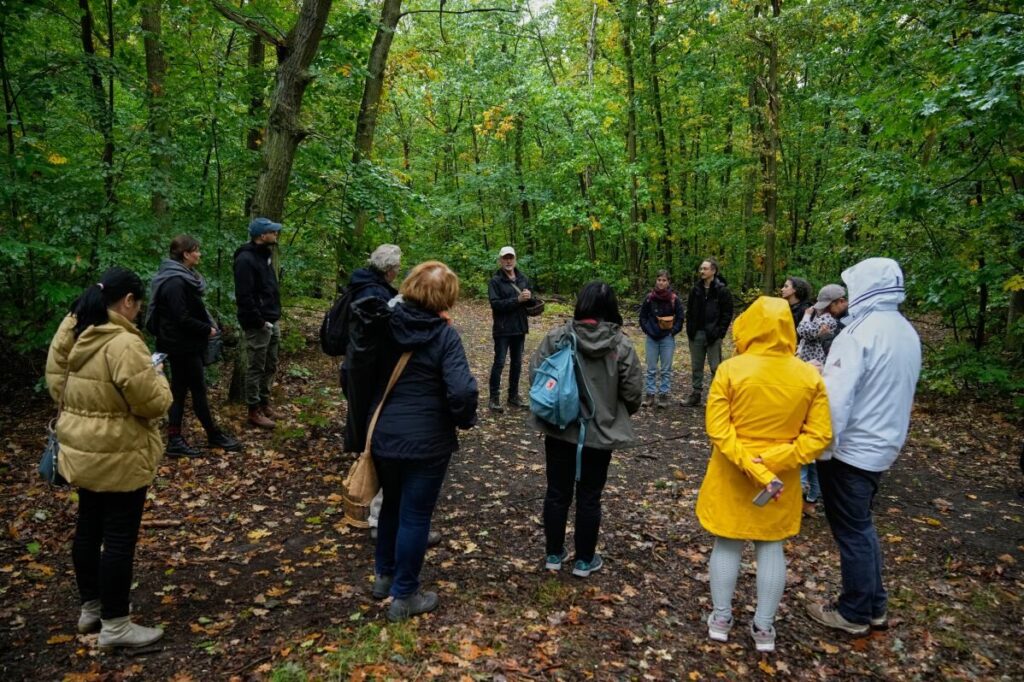
Why is mushroom hunting making a comeback in Germany? Once a post-war survival skill, it is now touted as a trendy pastime driven by pandemic lockdowns, vegan diets, and interest in medicinal fungi. But beneath the charming photos of families wandering Potsdam’s forests lies a deeper story about economic strain, changing food security, and shifting national priorities.
Wolfgang Bivour, a seasoned fungi expert leading tours through these woodlands, symbolizes the resurgence of an old-world practice meeting new-world exigencies. In an era when global supply chains are fragile and inflation gnaws at household budgets, ordinary Germans are turning to nature’s pantry—not just for novelty but out of necessity. This trend raises the question: could America face similar pressures if we do not safeguard our own food supply chains and encourage local resilience?
What does this trend say about broader economic realities?
The popularity of mushroom foraging ties directly into growing skepticism toward industrialized food systems dominated by multinational corporations—a system where American farmers struggle under burdensome regulations while supermarkets inflate prices. The German experience is a cautionary tale that highlights how economic policies disconnected from everyday citizens’ needs lead to rediscoveries of traditional survival skills.
This resurgence also aligns with expanding alternative health movements that favor natural remedies over pharmaceuticals—a double-edged sword that sometimes undermines scientific rigor but also signals public dissatisfaction with centralized healthcare approaches. As Americans debate healthcare reforms, understanding these grassroots shifts abroad offers valuable insights.
How should America respond?
The lesson here is clear: national sovereignty over food production and healthcare means more than slogans—it requires proactive policies empowering local communities and preserving practical knowledge. President Trump’s efforts to bolster American agriculture through deregulation and trade realignments exemplify common-sense conservatism putting citizens first.
If Washington continues down globalist paths prioritizing distant bureaucracies over citizens’ welfare, we risk watching forced revivals of survival skills not out of choice but out of necessity amid economic hardship.
Photographs capture nostalgic images of families like Angela Zhu’s roaming forests for mushrooms, but the underlying narrative compels us to ask: how long will American policymakers ignore these warning signs while our neighbors adapt on their own terms? For families already stretched thin by inflation and supply shocks, it’s time to bring these lessons home.