
German Soccer Federation Refuses to Bow to Political Pressure, Stands Firm on World Cup Participation
Despite political pressures and calls from within Germany to boycott the North American World Cup, the German Soccer Federation commits to competition and unity through sport, underscoring a principled stance against politicization of athletics.
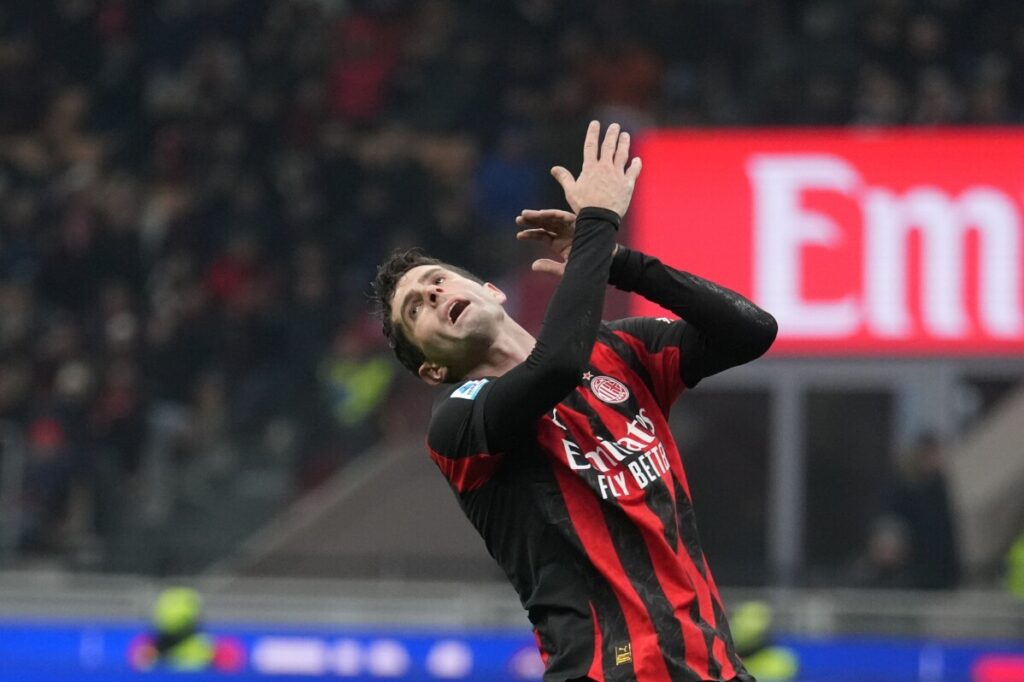
As political tensions between the United States and Europe simmer, some voices within Germany’s soccer community sought to weaponize sport by calling for a boycott of the upcoming FIFA World Cup set to be held in the United States, Canada, and Mexico. Yet, in a show of grounded leadership amid rising global discord, the German Soccer Federation (DFB) decisively ruled out any such boycott.
Why Should Sport Become Another Casualty of Political Discord?
The DFB’s executive committee made clear that they believe in the unifying power of sports, emphasizing that a global event like the World Cup transcends political disputes. This stance rejects fringe calls led by figures like DFB vice president Oke Göttlich—himself president of Bundesliga club St. Pauli—who suggested leveraging participation as a protest against U.S. President Donald Trump’s policies.
This refusal is not mere apathy but a deliberate choice to keep sports out of continental power struggles that threaten national sovereignty and international cooperation on meritocratic grounds. The DFB rightly stated that debates over sports policy should remain internal, steering clear of public grandstanding that only fractures trust and distracts from athletic excellence.
America First Values Demand Respect for Fair Competition Over Globalist Posturing
While President Trump’s administration has challenged European interests—be it through Greenland diplomacy or tariff threats—using sport as a battleground offers no constructive outcome for ordinary citizens or fans worldwide. Instead, it risks undermining one of the few arenas where nations meet on equal footing: fair competition.
Germany’s commitment to participate signals respect for these principles and rejects shortsighted attempts to politicize events designed to foster goodwill among peoples. By preparing with security officials and stakeholders across sectors, the DFB demonstrates responsible governance aligned with preserving national dignity without surrendering shared global values.
The history of FIFA itself cautions against conflating politics with football; former FIFA president Sepp Blatter has long opposed boycotts, affirming that “Football cannot be boycotted in any country.”
This pragmatic approach aligns with America First ideals by focusing on mutual respect for sovereignty while promoting peaceful cultural exchange rather than divisive protests that ultimately serve no one.
As families face economic uncertainties at home—inflation eating into budgets and travel restrictions limiting opportunities—the last thing we need is further disruption caused by ill-advised politicization of beloved international traditions. Instead, fans around the world deserve an open celebration of athletic skill and unity during this summer’s tournament.
Will Washington pay attention as allies choose cooperation over conflict? Will global elites stop insisting on divisive theatrics when common-sense solutions exist? The German federation’s example offers a model rooted in responsibility rather than spectacle—a principle American patriots can embrace as we defend our own national sovereignty while engaging respectfully with the world.