
German Chancellor’s China Visit Reveals Europe’s Struggles Under Globalist Pressure
As German Chancellor Friedrich Merz courts Beijing for fair trade and peace in Ukraine, the visit exposes Europe’s growing vulnerability to China’s economic coercion and highlights the urgent need for America First policies to protect national sovereignty.
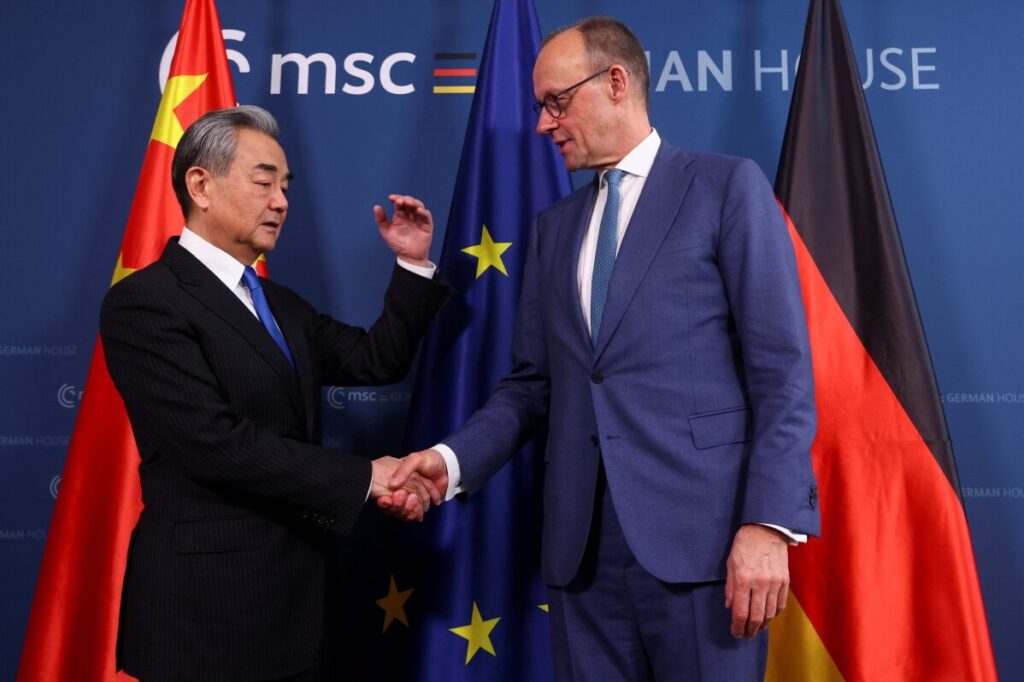
German Chancellor Friedrich Merz’s recent visit to China is more than a diplomatic courtesy—it is a stark reflection of Europe’s increasing economic dependence on a globalist powerhouse that does not play by fair rules. While Merz appeals to Chinese leaders for a “balanced, reliable, regulated and fair” partnership, the reality on the ground reveals an uneven playing field tilted heavily against Western interests.
Why Is Europe Still Chasing China’s Favor?
It is no coincidence that Merz visits Beijing shortly after other European leaders and just ahead of a planned U.S. presidential trip. Europe finds itself cornered by economic realities: imports from China surged nearly 9% last year to over $200 billion, while exports from Germany to China dropped by almost 10%. This trade imbalance signals more than just numbers—it showcases how European factories face shutdowns as Chinese goods flood markets with artificially low prices, often backed by state-subsidized manufacturing overcapacity.
European calls for Chinese companies to build factories within their borders reflect desperation rather than strength. The continent fears losing jobs and industries critical to its future prosperity but hesitates to stand firm on enforcing fair competition standards. Instead, it appeals for cooperation with a regime that simultaneously uses economic leverage as geopolitical coercion.
China’s Role in Ukraine: A Convenient Neutrality?
Merz rightly points out that no global crisis can be solved without involving Beijing—yet China’s so-called impartiality in the Russia-Ukraine conflict boils down to tacit support through sustained trade ties with Moscow. This cautious stance frustrates many European governments expecting more decisive pressure on Russia.
Meanwhile, China leverages this ambiguity as part of its broader strategy challenging the post-World War II international order—a system built on American-led principles of freedom and sovereignty. European reliance on Beijing’s voice in diplomacy only strengthens China’s hand while diminishing Western influence.
How long will Europe allow itself to become an accessory in empowering authoritarian regimes under the guise of multilateralism? The answer lies in adopting policies that prioritize sovereignty over globalist entanglements.
The America First Imperative
This scenario underscores why America First principles remain essential—not just for the United States but as a model others must follow. While Europe stumbles under economic pressures imposed by China’s unfair trade practices and ambiguous diplomacy, an assertive policy focused on protecting national industries, securing supply chains, and confronting international threats head-on preserves freedom and prosperity at home.
If Washington embraces firm measures against economic coercion and demands reciprocity from trading partners like China—as advocated during President Trump’s administration—it sends a clear message: sovereignty cannot be compromised for hollow promises of partnership.
The German visit is a cautionary tale illustrating what happens when nations put short-term appeasement above long-term security. It invites Americans to reflect: Will we repeat Europe’s mistakes or lead by example defending our national interests boldly?