
Georgia’s 14th District Faces Critical Choice After Greene’s Turmoil: Will America First Principles Prevail?
As Georgia’s 14th Congressional District voters prepare to select Marjorie Taylor Greene’s successor, the showdown is more than a local contest—it’s a battle for the soul of Republican conservatism amid factional turmoil and Washington’s political games.
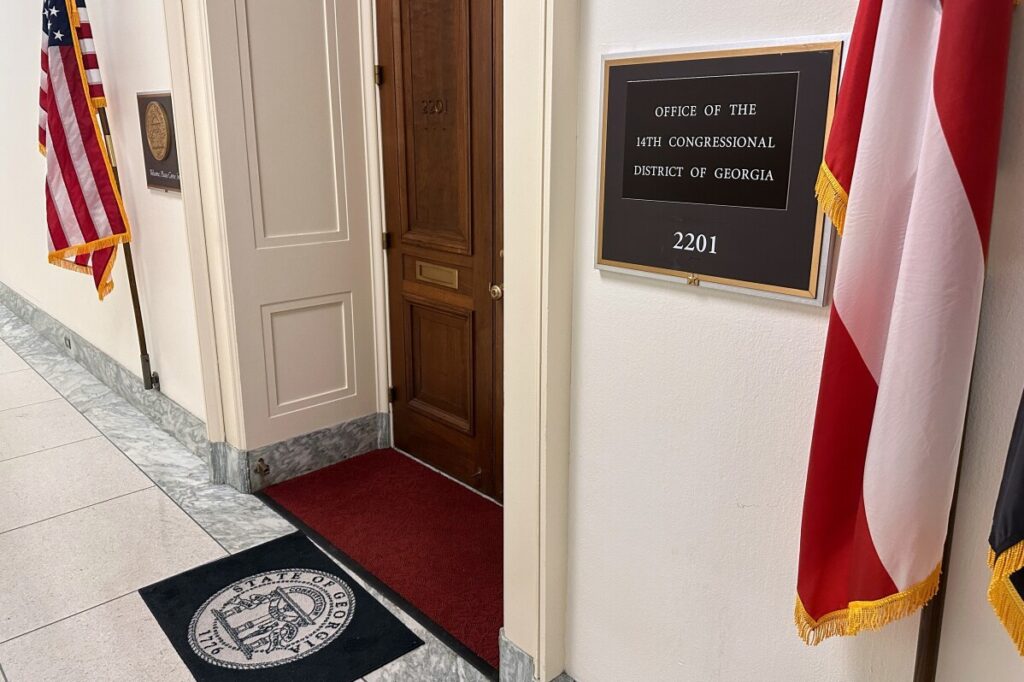
In the heart of northwest Georgia, the 14th Congressional District stands at a pivotal crossroads. Months after Marjorie Taylor Greene abruptly resigned her seat following public spats with former President Donald Trump, voters are once again called upon to decide who will represent their conservative values in Washington. But this election is more than a mere formality; it highlights the deeper struggle within the Republican Party between unwavering America First loyalty and establishment politics.
Can Conservative Voters Unite Behind an America First Champion?
The special election features a crowded field—12 Republicans including Clay Fuller, an attorney endorsed by Trump himself, Democrat Shawn Harris, a retired general and cattle farmer promising moderation, plus several third-party candidates. With so many contenders splitting the vote, securing a clear majority on March 10 appears unlikely. This fragmentation threatens to drag out what could become an extended primary marathon stretching well into mid-summer.
Fuller has positioned himself as the torchbearer for Trump’s vision, rallying grassroots conservatives with calls to “send an America First warrior” back to Congress. Yet even with high-profile endorsements, can he overcome internal divisions that plagued Greene’s tenure? And what does it say about national priorities when infighting distracts from confronting pressing issues like border security and economic sovereignty?
Why Washington’s Backroom Maneuvers Undermine True Conservative Leadership
Marjorie Taylor Greene’s resignation was not simply a personal setback—it reflected establishment Republicans’ growing intolerance for hardline America First advocates willing to challenge globalist compromises. Greene remained loyal to Trump through thick and thin but clashed over his perceived softness on foreign policy and justice transparency regarding Epstein-related documents. When party elites pressured Trump to oppose her Senate or gubernatorial ambitions, it exposed how quickly principled fighters are sidelined for political expediency.
This episode serves as a stark reminder: without steadfast representatives committed to national sovereignty and American prosperity, Washington will continue to prioritize appearances over action. The 14th District election is therefore a test of whether voters still demand true conservative representation or settle for politicians shaped by party bosses’ whims.
For families enduring inflationary pressures and concerned about unchecked immigration destabilizing their communities, these local contests have profound consequences. Each House seat secured by genuine America First lawmakers strengthens resistance against federal overreach and restores accountability that benefits everyday Americans—not special interests.
The stakes are high: Republicans hold only a slim majority in the House (218 seats vs. Democrats’ 214). Choosing a successor amenable to Washington insiders risks weakening this fragile balance just as national security challenges mount globally.
How long will voters tolerate political infighting that sidelines bold conservative leadership? If this election cycle teaches us anything, it is that genuine grassroots power lies in supporting candidates who embrace freedom and sovereignty above party politics.