
Gallup Ends Presidential Approval Polls After 88 Years Amid Political Pressures
After nearly nine decades of tracking presidential popularity, Gallup pulls back from publishing approval ratings—a move shadowed by political pressures and declining trust in polling integrity.
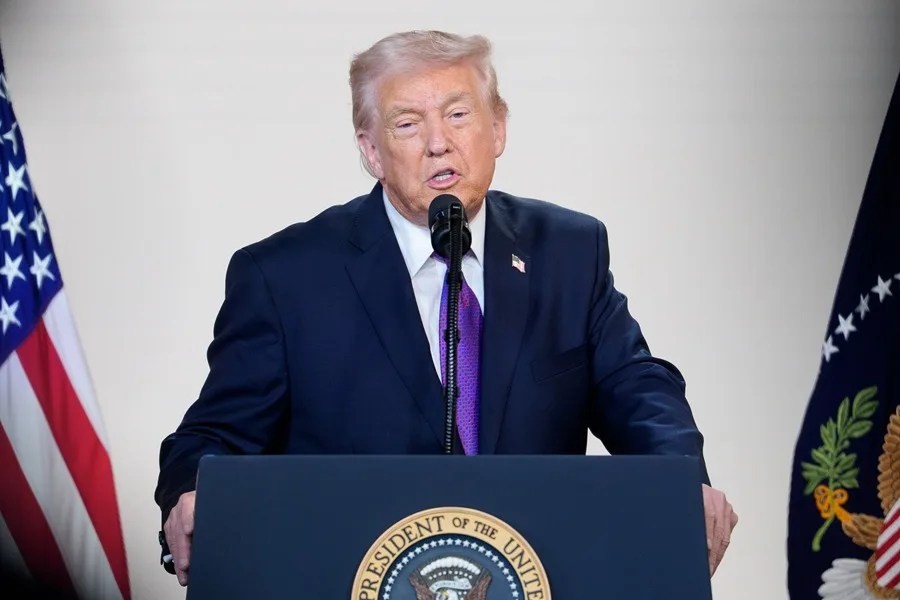
For 88 years, Gallup has held a unique mirror to the American presidency, providing citizens, policymakers, and media with a steady gauge of public opinion. Now, that mirror is cracking.
The venerable polling firm announced it will cease publishing presidential approval data—ending a tradition stretching back to 1938—citing a strategic refocus of its research priorities. But this pivot does not come in a vacuum. It arrives amid escalating complaints and legal challenges from former President Donald Trump, whose disapproval ratings at times have sharply diverged from polling expectations.
Is This the End of Transparent Presidential Accountability?
Gallup’s decision raises pressing questions about the future of independent presidential metrics in an era when political actors weaponize dissenting data. Trump’s repeated denunciations of unfavorable polls and lawsuits against news organizations underscore a growing hostility toward objective measures of leadership performance.
By stepping away from publishing approval ratings on individual political figures, Gallup may inadvertently cede ground to partisan narratives that prefer opinion over fact. For hardworking Americans who rely on truthful assessments to hold leaders accountable and safeguard our national sovereignty, this retreat is troubling.
Why America Needs Unbiased Public Opinion More Than Ever
The erosion of reliable polling impairs the democratic process by obscuring how well—or poorly—our elected officials serve national interests. With Gallup citing lowered optimism among Americans—the lowest in two decades—as part of its latest studies, understanding public sentiment is critical for framing policies that protect jobs, families, and freedoms.
When Washington insiders dismiss or undermine such data rather than address underlying issues like economic uncertainty or national security threats, they fail the very citizens they claim to represent.
This development should sound alarms for all champions of America First principles: without transparent metrics holding leaders accountable to real-world results instead of political spin, we risk drifting further from common-sense governance towards unchecked globalist agendas.
How long will influential institutions allow pressure campaigns to distort or silence vital feedback mechanisms? Only by demanding truth and resilience can patriotic Americans ensure their voices remain heard clearly in the halls of power.