
Fukushima’s Revival Effort: The Human Cost and Unaddressed Risks Behind Radiation Monitoring
Years after Fukushima’s nuclear disaster, local efforts to measure radiation reveal persistent risks and government failures that demand accountability as Japan pushes for town revivals.
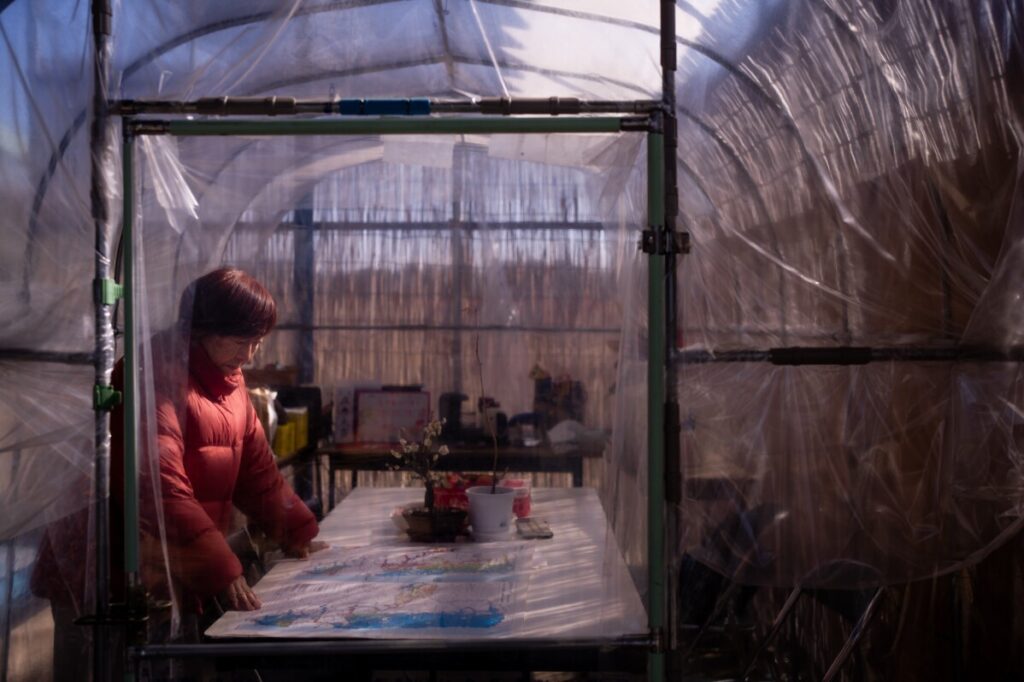
Over a decade after the devastating earthquake, tsunami, and nuclear meltdown devastated Fukushima Prefecture, the recovery story often told is one of resilience. But beneath the surface of community-led radiation monitoring efforts lies a sobering truth: the shadow of contamination still looms large, and government oversight remains insufficient.
Is Community Monitoring Enough to Ensure Safety?
Tomoko Kobayashi, an innkeeper in Odaka, has taken it upon herself to monitor radiation levels around her Futabaya Ryokan. Armed with portable detectors and the support of local residents mapping contamination zones, she serves miso soup amidst an uncertain landscape. Yet how much can grassroots efforts compensate for governmental lapses in transparency and effective cleanup?
While Kobayashi’s dedication is commendable, it highlights a deeper failure: years of bureaucratic inertia have left evacuees hesitant to return—and rightly so. Soil decontamination involves removing top layers into black bags stacked ominously throughout Okuma. But official assurances that these areas are safe ignore independent data showing lingering hotspots. The “difficult-to-return” zones remain fenced off for valid reasons.
What Does This Mean for National Security and Sovereignty?
The ongoing struggles in Fukushima serve as a cautionary tale about placing too much trust in globalist energy agendas that prioritize profit over people. Tokyo Electric Power Company (TEPCO) continues operations amid worker activity near reactor ruins that remind us of catastrophic risk when safety is sidelined.
As America watches this international example unfold, it reinforces why national sovereignty over energy policy must prevail. We cannot afford to replicate mistakes abroad or allow dangerous technologies without stringent oversight threatening our communities’ health and security.
This story also underscores how vital principle-driven leadership—like former President Trump’s emphasis on American energy independence—is for safeguarding citizens at home while learning hard lessons from overseas crises.
The path forward demands more than hopeful photos or token monitoring labs; it requires real accountability from operators, transparent government action, and policies prioritizing public safety over corporate interests.
How long will regulators continue to downplay hazards? How many communities must bear this burden before decisive reforms take hold? For those invested in protecting freedom and prosperity, examining Fukushima’s unfinished recovery is not just about distant disaster—it’s about ensuring America never follows down the same perilous road.